
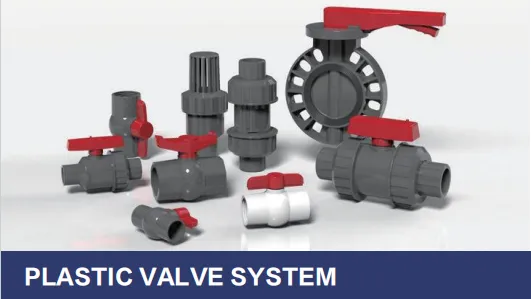
In the bustling world of construction and infrastructure, where every pipe, fitting, and panel plays a role in bringing buildings to life, plastic valve systems often fly under the radar—until something goes wrong. These unassuming components are the silent gatekeepers of plumbing networks, controlling the flow of water, gas, and other fluids with precision. For a building materials supplier, especially one catering to the diverse needs of residential and commercial projects in regions like Saudi Arabia, offering a robust lineup of plastic valve systems isn't just an add-on; it's a cornerstone of reliability. But what exactly makes a plastic valve system worth including in your catalog? Let's dive into the key components that separate a mediocre supplier from one that becomes a trusted partner for contractors, architects, and project managers.
At the heart of any plastic valve system lies variety. No two projects are the same—what works for a small residential bathroom might be inadequate for a high-rise hospital or a sprawling commercial complex. A top-tier supplier understands this and ensures their catalog includes a range of valve types, each designed to solve specific problems. Let's break down the essentials:
Ball valves are the unsung heroes of everyday plumbing. With a simple quarter-turn handle, they can shut off or regulate flow in an instant, making them ideal for applications where speed and reliability matter most. Think residential kitchens, where a sudden leak demands immediate action, or commercial laundries where water flow needs frequent adjustments. The best suppliers offer ball valves in materials like PVC (Polyvinyl Chloride) and UPVC (Unplasticized Polyvinyl Chloride), balancing durability with affordability. For projects requiring higher temperature resistance—say, a hotel's hot water system—look for ball valves compatible with PPR (Polypropylene Random Copolymer) pipes, a material known for its heat tolerance. This is where partnering with a reputable ppr pipe and fitting supplier becomes invaluable; ensuring your ball valves integrate seamlessly with their piping systems eliminates compatibility headaches for your clients.
When a project needs unobstructed flow—like in a large-scale irrigation system or a commercial building's main water line—gate valves are the go-to choice. Unlike ball valves, which use a rotating ball to control flow, gate valves use a vertical gate (or wedge) that lifts to open and lowers to close. This design minimizes pressure drop, allowing fluids to move freely when fully open. Suppliers should stock gate valves in UPVC for cold water applications and PEX (Cross-linked Polyethylene) variants for systems with frequent temperature fluctuations, such as residential underfloor heating. Here, collaborating with a pex pipe and fitting supplier ensures that the valves and pipes work in harmony, reducing the risk of leaks due to mismatched materials.
Backflow isn't just a nuisance—it can contaminate water supplies, damage equipment, and even lead to legal liabilities. Check valves, which allow flow in only one direction, are critical for preventing this. In hospitals, for example, where sterile water is a must, check valves ensure that wastewater doesn't seep back into clean lines. Schools, too, rely on them to protect drinking water systems from cross-contamination. Suppliers should offer check valves in materials like PVC-U (PVC for pressure piping) and CPVC (Chlorinated Polyvinyl Chloride), the latter being a favorite for high-temperature environments like laboratory sinks. For projects that demand strict compliance with international standards, look for check valves tested to ASTM D2846, a certification that guarantees performance under stress.
Butterfly valves are the Swiss Army knives of the valve world. With a rotating disc that controls flow, they're lightweight, compact, and easy to install—perfect for tight spaces like ceiling cavities or underground piping. Their low cost and minimal maintenance make them a hit for large-scale projects, such as shopping mall HVAC systems or industrial wastewater treatment plants. Suppliers should offer butterfly valves in UPVC for general use and reinforced variants for higher pressure applications, ensuring they can meet the needs of both residential developers and industrial contractors.
| Valve Type | Common Materials | Key Applications | Pressure Rating Range |
|---|---|---|---|
| Ball Valve | PVC, UPVC, PPR | Residential kitchens, commercial laundries, hot water systems | PN10 to PN25 (10-25 bar) |
| Gate Valve | UPVC, PEX | Irrigation systems, main water lines, underfloor heating | PN6 to PN16 (6-16 bar) |
| Check Valve | PVC-U, CPVC | Hospitals, schools, drinking water systems | PN10 to PN20 (10-20 bar) |
| Butterfly Valve | UPVC, Reinforced PVC | HVAC systems, wastewater treatment, shopping malls | PN6 to PN10 (6-10 bar) |
Not all plastic is created equal. A valve is only as good as the material it's made from, and cutting corners here can lead to cracked valves, leaks, and expensive callbacks. For suppliers, prioritizing material quality isn't just about avoiding liability—it's about building trust. Here's what to focus on:
UPVC is the backbone of many plastic valve systems, and for good reason. Unlike regular PVC, which contains plasticizers that can degrade over time, UPVC is rigid, chemical-resistant, and built to withstand decades of use. It's also lightweight, making transportation and installation a breeze—no small advantage on large construction sites where labor costs add up. When sourcing UPVC valves, look for products that meet international standards like DIN (Deutsches Institut für Normung) PN10, which ensures they can handle pressures up to 10 bar. This is where aligning with a trusted upvc pipe supplier pays off; their expertise in material science can help you vet valve manufacturers, ensuring your products meet the same high standards as their pipes.
For projects involving hot water—think hotels, hospitals, or residential showers—PPR is a game-changer. Its ability to withstand temperatures up to 95°C (203°F) without warping makes it ideal for systems where heat is a constant factor. PPR valves are often reinforced with fiberglass to boost strength, and the best suppliers offer options with brass or stainless steel components for added durability. When paired with PPR pipes (available through your ppr pipe and fitting supplier ), these valves create a system that's not just heat-resistant but also corrosion-free, reducing maintenance costs over time.
PEX pipes and valves have revolutionized residential plumbing, thanks to their flexibility and resistance to freezing. Unlike rigid UPVC or PPR, PEX can bend around corners without elbow fittings, making it perfect for retrofitting old homes or threading through tight spaces like wall cavities. PEX valves, often made with brass cores and PEX outer layers, are designed to handle this flexibility without cracking. For suppliers targeting the residential market, offering PEX-compatible valves—preferably tested alongside products from a reliable pex pipe and fitting supplier —is a must. Homeowners and contractors alike appreciate the peace of mind that comes with a system designed to work together.
A valve is useless if it doesn't fit the pipes it's supposed to control. Compatibility is the invisible thread that ties a plastic valve system together, and suppliers who overlook it risk leaving their clients frustrated and out of pocket. The key is to think beyond individual components and offer a holistic solution—valves, pipes, fittings, and adapters that work in unison.
Take, for example, a contractor working on a mixed-use development: the ground floor has a commercial kitchen (needing PPR pipes for hot water), while the upper floors are residential (using PEX for underfloor heating). A supplier that stocks valves compatible with both systems, along with adapters to connect them, becomes an indispensable partner. This is where having strong relationships with ppr pipe and fitting supplier and pex pipe and fitting supplier networks shines. By collaborating, you can create bundled packages—valve + pipe + fitting kits—that save your clients time and reduce the risk of mismatched parts.
Another critical aspect is size range. Valves come in diameters from 15mm (for residential sinks) to 300mm (for industrial pipelines), and suppliers must cover this spectrum. A one-size-fits-all approach alienates clients with unique needs, whether it's a boutique hotel with custom fixtures or a school requiring specialized piping for. Offering valves in metric and imperial sizes, and clearly labeling their compatibility with different pipe types (UPVC, PPR, PEX), eliminates guesswork and builds confidence.
In the world of construction, "one size fits all" is a myth. A hospital's plumbing system has vastly different requirements than a residential apartment, and a supplier that can't adapt will quickly fall behind. Customization isn't just about offering unique sizes—it's about understanding your clients' challenges and designing valves that solve them.
Consider a client building a high-rise in Riyadh, where extreme temperatures can cause plastic to expand and contract. Standard valves might fail under such stress, leading to leaks and costly repairs. A supplier that offers custom pressure ratings or UV-resistant coatings (to protect against Saudi Arabia's harsh sun) becomes a hero. Similarly, a school project might require lead-free valves to comply with health regulations, or a wastewater treatment plant might need chemical-resistant valves to handle aggressive fluids. By partnering with manufacturers who offer customization, you position yourself as more than a seller—you're a problem-solver.
Customization also extends to aesthetics. In luxury residential projects, where exposed pipes and valves are part of the design, clients might request valves in specific colors or finishes to match their decor. While this might seem trivial, it's these small details that turn a satisfied client into a repeat customer. A plastic valve system supplier that can accommodate such requests demonstrates a commitment to understanding the full scope of a project—not just its functional needs, but its aesthetic ones too.
Even the best valves are only as good as their installation. A supplier who hands over a box of parts and disappears is doing their clients a disservice. Technical support is the final piece of the puzzle, transforming a transaction into a long-term relationship. Here's how to deliver it:
Not every contractor is a plastic valve expert. Providing clear, step-by-step installation guides—either printed or digital—can save hours of frustration. Include tips on torque settings (over-tightening can crack plastic), compatibility checks, and common pitfalls to avoid. For complex projects, offer on-site training sessions or video calls with your technical team. This level of support is especially valuable for clients working with unfamiliar materials, like PEX or CPVC (Chlorinated Polyvinyl Chloride), and it reinforces your role as a trusted advisor.
A warranty is more than a legal document—it's a promise. Suppliers should stand behind their products with clear, fair warranty terms. For example, UPVC valves might come with a 10-year warranty, while PPR valves (due to their higher heat exposure) might offer 5 years. Be transparent about what's covered (manufacturing defects) and what's not (improper installation), and honor claims quickly to avoid delaying projects. After-sales service, like replacing faulty valves or answering maintenance questions, turns one-time buyers into loyal clients who recommend your services to others.
In 2025, sustainability isn't a buzzword—it's a business imperative. Clients, especially in regions like Saudi Arabia where green building initiatives are gaining momentum, demand products that minimize environmental impact. Plastic valve systems, often criticized for their reliance on fossil fuels, can still align with sustainability goals if suppliers prioritize eco-friendly practices.
Start with materials. Look for valves made from recycled plastic or bio-based polymers, which reduce reliance on virgin materials. Many manufacturers now offer lead-free and phthalate-free options, ensuring compliance with global health and environmental standards. Energy efficiency is another angle: valves with low flow resistance reduce the energy needed to pump fluids, lowering a building's carbon footprint over time.
Recyclability is also key. Post-installation, plastic valves should be recyclable at the end of their lifespan, and suppliers can play a role by educating clients on proper disposal or even offering take-back programs. For forward-thinking suppliers, sustainability isn't just about selling "green" products—it's about telling a story. Clients want to know that the materials they're using are part of a circular economy, and highlighting your commitment to sustainability can set you apart in a crowded market.
At the end of the day, offering plastic valve systems isn't just about checking boxes on a product list. It's about understanding the unique challenges of your clients—whether they're a residential building materials supplier needing reliable valves for affordable housing or a commercial building materials supplier tackling high-pressure industrial projects—and providing solutions that make their lives easier. From core valve types and material quality to compatibility, customization, and sustainability, each component plays a role in building trust.
For suppliers in Saudi Arabia and beyond, the message is clear: to thrive, you must be more than a vendor. You must be a partner—one who brings expertise, reliability, and a commitment to innovation to every project. By focusing on these key components, you'll not only meet your clients' needs today but also position yourself as a leader in the ever-evolving world of building materials. After all, in construction, as in life, the difference between good and great lies in the details—and when it comes to plastic valve systems, those details start with you.
Recommend Products












