
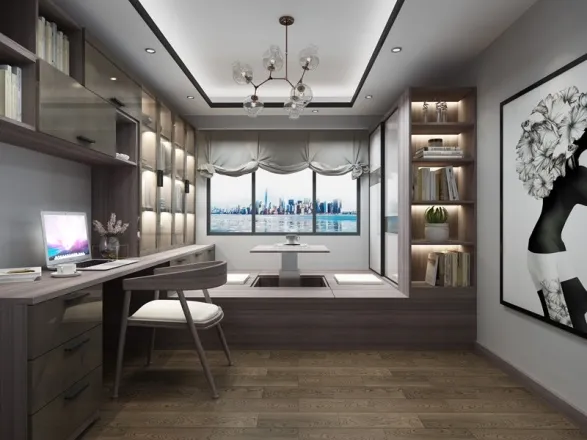
Hey there! If you're considering investing in custom tatami mats for your home, you're probably dreaming about that perfect blend of traditional Japanese elegance and personal comfort. But let's be honest – translating those daydreams into reality can feel like trying to explain the color blue to someone who's never seen it.
Trust me, I've seen countless clients light up when talking about their vision, only to get tongue-tied when asked concrete questions by artisans. That gap between imagination and execution? That's where most custom projects hit snags. But don't worry – whether you're creating a meditation space, a bedroom nook, or a cultural showcase, I'll walk you through exactly how to articulate your needs so your finished tatami looks and feels exactly like you pictured.
Here's what I've learned from years in custom design: The most successful projects always start with crystal-clear communication. Your artisan isn't a mind-reader, but with the right guidance, they can absolutely become your vision's best translator.
Before we dive into the how-to's, let's talk about why bespoke tatami deserves your attention. These aren't just floor coverings – they're sensory experiences. Every morning when you step onto that woven rush grass, you're connecting with centuries of Japanese tradition while experiencing personally-tailored comfort. Unlike mass-produced alternatives, custom tatami :
The magic happens when your daily reality matches the image you first imagined curled up with design magazines at 2 AM. And that journey starts with knowing what to ask for...
Think of designing custom tatami like ordering the perfect cup of coffee. You wouldn't just say "coffee please" if you wanted a double-shot vanilla oat milk latte, right? Tatami has its own language too. Let's decode it together:
Igusa (Rush Grass): The classic choice. Higher-quality strands feel smoother underfoot, like walking on warm silk. Listen closely when artisans describe density – you'll hear terms like "first harvest" premium igusa versus standard grade.
Modern Hybrids: Some manufacturers now offer eco-friendly bamboo blends if you need water-resistance for kitchen edges or sunrooms. Just know they'll feel slightly different beneath bare feet.
Core Support: Traditional compressed rice straw makes the mat firm and breathable, but modern compressed woods offer stability in high-humidity climates. Mention if your space battles moisture!
Standard tatami follows proportions based on traditional rooms (about 3×6 feet), but custom changes everything. Key measurements:
"I almost cried when our custom tatami arrived because it fit the bay window alcove perfectly – every inch we agonized over in measurements mattered. The artisans noticed things even I'd overlooked!"
- Sarah K., Kyoto-inspired Boston home
Here's where most communication breaks down: translating abstract desires into specifications artisans can work with. Try these proven approaches:
Show, Don't Just Tell : Instead of saying "minimalist," show them your Pinterest board with photos of uncluttered spaces. Point to the specific elements you love – is it the lack of patterns? The monochrome palette? The hidden storage? Details make the difference.
Tatami feels different from Western flooring. Ask yourself:
Good artisans have sample swatches – test them barefoot with your eyes closed. Describe what you feel: "I like this density but wish it had less spring," or "This texture feels scratchy – is there a smoother weave?"
Be brutally honest about your household:
Great craftsmen adapt to real life, not just design magazines.
Through hard experience (and client confessions!), I've identified these common communication pitfalls:
Solution? Create a shared digital checklist with your artisan where you can both add notes, questions, and photos throughout the process.
Ready to transform your space? Follow this timeline for smooth sailing:
Collect images, material swatches, even scent preferences! Remember how bamboo husks add a subtle grassy aroma? Document everything in your "tatami inspiration journal" – digital or physical.
Interview at least three specialists. Ask about:
"Choose artisans who ask about your relationship with the space. Mine wanted to know if I meditated barefoot, if my kids played there, even where the morning sun hit! That depth created truly personalized tatami."
- Michael T., Philadelphia Zen studio owner
Now the rubber meets the road. Essential documents to prepare:
Good craftsmen provide progress updates. Insist on:
Your tatami journey doesn't end at installation! Proper care keeps it beautiful for decades:
The most stunning custom tatami tells a story – your story. Every border stitch, every density choice, every measured angle reflects the conversation between your vision and an artisan's skill. That dialogue transforms mere flooring into a living extension of your home.
So take a deep breath. Gather those paint swatches and awkward room dimension sketches. Embrace the questions. Because in a few months, you won't just walk on gorgeous tatami – you'll step onto a tangible representation of clear communication realized.
Here's to creating spaces that feel unmistakably, perfectly you.
Recommend Products












