
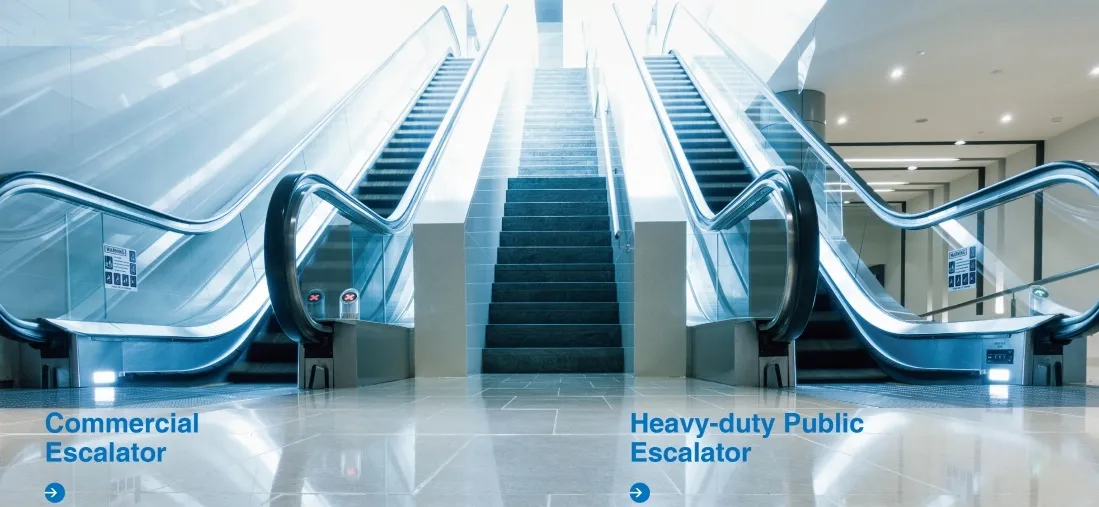
Picture yourself navigating through a busy shopping mall during peak hours. Pushing through crowds, searching for stores while avoiding bottlenecks around escalators and elevators. Why do some malls handle crowds smoothly while others descend into chaos? After examining positioning data from thousands of shoppers across major Chinese malls, we see how subtle changes to escalator placement and architectural flow can transform crowded spaces into efficient pathways.
Customer movement isn't random - it follows distinct temporal rhythms. Weekend shopper volume jumps an average of 42% compared to weekdays across both studied malls. Mealtimes consistently create flow surges as food court-bound crowds cluster near vertical circulation points. But mall location significantly changes patterns: downtown Beijing malls saw afternoon peaks unrelated to meals while Chongqing malls exhibited strong mealtime traffic waves.
Floor flow realities: Clothing stores anchor upper levels drawing escalator traffic upward, while food courts create gravitational pulls to their specific floors. When escalators deposit shoppers directly into these high-traffic zones without proper spatial planning, unavoidable choke points emerge.
Analysis reveals anchor stores profoundly influence movement patterns. In Dayuecheng mall (Beijing), clothing giants H&M and Zara generated over 75,000 customer visits weekly - drawing crowds upward through key escalator nodes. Stores near these anchors enjoyed 24% higher foot traffic than identical stores elsewhere.
Conversely, Longhu mall (Chongqing) showed restaurants becoming the primary escalator destination, proving that "flow centers" vary by mall concept. Data demonstrates proximity to escalators:
Yet poorly placed escalators can have opposite effects: When multiple popular stores cluster around single access points without complementary pathways, congestion inevitably forms.
How do we translate findings into tangible improvements? Consider these data-driven approaches:
Position escalators within 25 meters of anchor stores and food courts to capture natural flow patterns. Ensure distance to anchor stores remains visible but doesn't create direct choke points during peak hours.
Alternate escalator configurations across levels so shoppers don't exit onto identical traffic patterns floor after floor. Chongqing malls showing strongest flow used staggered designs minimizing crowd stacking.
Stores in corner locations near escalators enjoyed 23-32% more traffic in both Beijing and Chongqing cases. These naturally higher-visibility zones should host escalator endpoints whenever possible.
Design escalator landing zones with at least two open sides - stores with multiple exposed sightlines saw significantly higher engagement (up to 27% more visits) regardless of category.
Surprisingly, online reputation influences physical movement. Stores with better Dianping.com review scores consistently pulled more traffic to their respective levels regardless of location. Data suggests:
"High-reputation stores near escalators averaged 34% more visits than identical adjacent stores with poorer reviews."
Malls can capitalize by placing directional signage near escalators highlighting well-reviewed stores - naturally guiding crowds toward highly-rated destinations.
Before finalizing layouts, ask:
Successful flow optimization requires balancing these spatial considerations with the store reputations influencing navigation choices. The resulting pathway improvements can increase dwell time and decrease friction frustration.
While escalator placement dominates internal flow, external architectural decisions subtly prime shopper expectations. Research shows inviting exterior designs increase initial entrance rates by up to 19% - the critical first step in customer circulation patterns.
Mall operators should coordinate internal escalator networks with exterior arrival sequences, creating welcoming architectural façade solutions that establish psychological openness. This continuity subconsciously prepares visitors for seamless interior movement.
Data confirms vertical transport points fundamentally shape shopper journeys. As crowds naturally cluster around escalators by instinct and architectural necessity, these spaces magnify both opportunity and congestion. Strategic positioning using anchor store proximity, visibility metrics, and floor-center distances creates pathways where crowds feel guided rather than contained.
Combined with digital reputation tools that steer traffic toward popular destinations, escalators transform from necessary evils into central circulation planners. Understanding these complex relationships between structure and movement ultimately determines whether spaces function with satisfying flow or frustrating friction.
Recommend Products












