



Introduction to WPC Technology
Wood Plastic Composite (WPC) wall panels represent a groundbreaking innovation in interior design materials, blending natural wood fibers with thermoplastic polymers to create a versatile building solution. This advanced material composition results in engineered products that maintain the aesthetic warmth of wood while eliminating its inherent vulnerabilities. Unlike traditional wood paneling, WPC panels integrate specially formulated additives that enhance fire resistance, UV stability, and structural integrity throughout the product lifecycle.
The manufacturing process combines sustainability with performance excellence. Recycled wood waste (typically sawdust or wood chips) is compounded with polyethylene or polypropylene resins, creating a homogeneous material matrix. This combination yields products possessing dimensional stability that surpasses natural wood, making them less susceptible to warping, cracking, or splitting under thermal or humidity variations. The engineered formulation also allows precise control over density, texture, and color consistency unavailable in natural materials.
From an environmental perspective, WPC technology reduces dependency on virgin timber resources while utilizing post-industrial plastic waste that might otherwise enter landfills. This circular approach significantly lowers the carbon footprint associated with traditional building materials. Contemporary production facilities employ closed-loop water systems and emission control technologies to further minimize environmental impact during manufacturing.
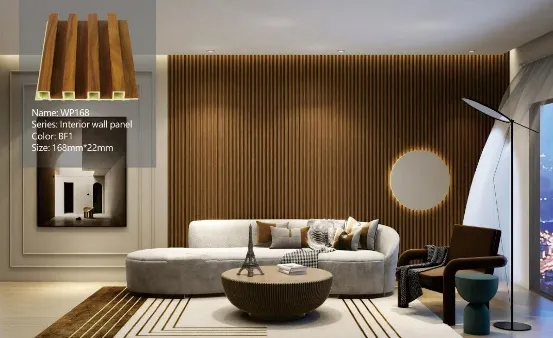
Comprehensive Safety Analysis
Fire Resistance Performance
Fire safety constitutes a primary consideration for interior materials, and WPC panels demonstrate exceptional performance beyond standard requirements. The composite nature provides inherent flame resistance properties. During combustion, the polymer matrix forms a protective char layer that insulates the underlying material and slows flame progression. Most commercial WPC panels achieve Class B or higher fire ratings under standard ASTM E84 and BS 476 testing protocols.
Modern formulations incorporate mineral-based fire retardants like magnesium hydroxide or aluminum trihydrate that suppress smoke evolution while further elevating ignition resistance. Unlike natural wood which acts as fuel, WPC panels self-extinguish upon removal of the flame source. Third-party certifications from UL, Intertek, or similar organizations provide verification of fire safety claims, with some premium Class A fireproof CPL inorganic board equivalents available for high-risk applications.
Formaldehyde-Free Assurance
Chemical safety represents a critical advantage of WPC panels over conventional wood products. Traditional engineered wood relies heavily on formaldehyde-based adhesives, which emit volatile organic compounds (VOCs) long after installation. In contrast, WPC panels utilize thermally fused polymer binders that completely eliminate formaldehyde-containing substances.
These polymer binders achieve cohesion without hazardous solvents or preservatives. Product certifications like GREENGUARD Gold or FloorScore provide scientific validation of ultra-low VOC emissions. Numerous studies measuring indoor air quality after WPC installation consistently show concentration levels well below WHO recommendations for formaldehyde (<0.08 ppm) and TVOCs (<500 µg/m³). This attribute is particularly valuable for sensitive populations like children or allergy sufferers.
Advanced Moisture Management
The moisture resistance of WPC panels stems from both the hydrophobic polymer matrix and micro-encapsulated wood fibers. Laboratory testing reveals water absorption rates below 5% even after prolonged 72-hour submersion, whereas natural wood often exceeds 25% absorption in similar conditions. This resistance fundamentally prevents moisture penetration that enables microbial growth.
Unlike solid wood that swells anisotropically, WPC exhibits minimal dimensional change (typically <0.5% linear expansion) when subjected to humidity extremes from 30% to 90% RH. Composite specimens subjected to 60-day accelerated weathering cycles show no structural degradation or measurable mold colonization. These characteristics prove particularly beneficial in moisture-prone environments like bathrooms, basements, or tropical climates.
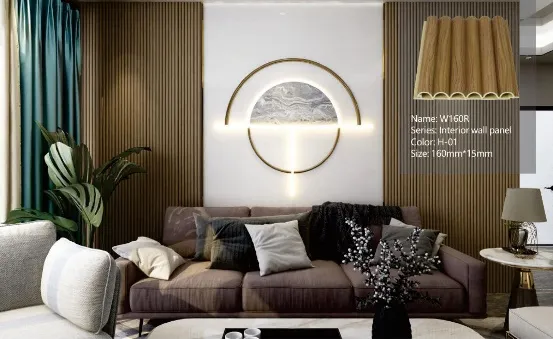
Installation Efficiency and Long-Term Performance
Installation methodology significantly impacts material safety, and WPC panels incorporate multiple features to mitigate installation risks. The tongue-and-groove interlocking system allows panel-to-panel connectivity without exposed fasteners that might cause injury or require hazardous adhesives. This modular approach simplifies alignment while accommodating building movement without stress fractures.
The standardized dimensions and lightweight nature (typically 30-40% lighter than equivalent wood planks) reduce installer strain compared to handling bulky natural materials. Cladding integration systems enable secure mounting over uneven surfaces without compromising structural stability. Backer rod seals integrated into the design prevent moisture accumulation in wall cavities, eliminating a common cause of hidden degradation.
Long-term performance studies demonstrate exceptional resilience to abrasion and impact. Accelerated weathering tests simulating 20 years of service life reveal minimal surface degradation (∆E<3.5 color shift) due to integrated UV stabilizers. Unlike wood that splinters with impact, WPC panels typically dent rather than fracture, maintaining structural integrity and reducing maintenance-related risks over time.
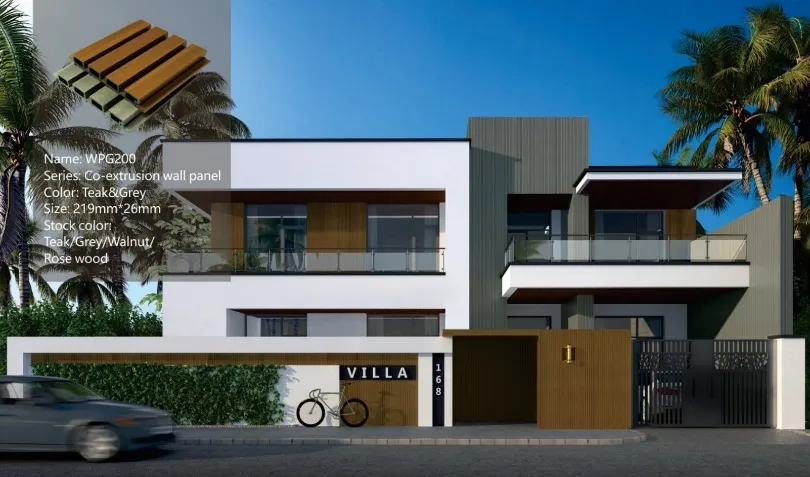
Life Cycle Sustainability
The environmental merits of WPC begin with raw material sourcing. Typical formulations incorporate 50-70% wood flour (sourced from certified waste streams) and 30-50% polymer resins (primarily recycled HDPE/LDPE/PET). This diverts substantial volumes from landfills - approximately 1.7 tonnes of wood waste per tonne of finished product.
Life cycle assessments comparing WPC to ceramic tile, vinyl, and wood panels demonstrate significant advantages in key impact categories. WPC production consumes 38% less energy than ceramic tile manufacturing and generates 60% fewer greenhouse gases than equivalent solid wood panel production. Additionally, the maintenance-free quality eliminates the environmental burden associated with periodic chemical treatments required for natural wood preservation.
End-of-life considerations reveal recycling pathways through regrinding and extrusion processes, with modern mechanical recycling achieving material recovery rates exceeding 90%. The non-hazardous composition allows disposal in conventional landfills without specialized containment, unlike many engineered wood products containing chemical preservatives.
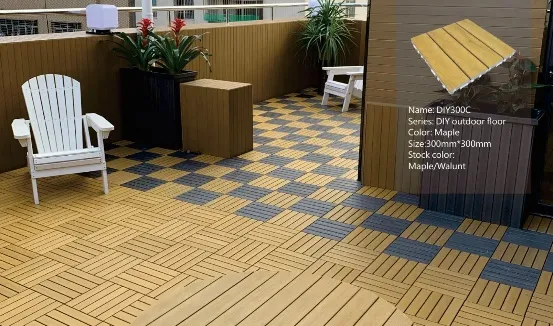
Material Comparison Across Applications
| Performance Factor | WPC Panels | Solid Wood | MDF/Particle Board | Vinyl Cladding | Bamboo Composite |
|---|---|---|---|---|---|
| Formaldehyde Emission | Negligible | Low-Medium | High | Low | Variable |
| Water Resistance | Excellent | Poor | Very Poor | Excellent | Good |
| Fire Safety Rating | Class A-B | Class C-D | Class C | Class B-C | Class C |
| UV Stability | Excellent | Medium | Poor | Good | Medium |
| Maintenance Frequency | 5-7 Years | 1-2 Years | Not Recommended | 8-10 Years | 3-4 Years |
Emerging Innovations and Applications
Material science advancements continuously enhance WPC properties through nanoscale modifications. Nanoparticle reinforcement using calcium carbonate or silica improves mechanical strength by over 40% without weight increase. Anti-microbial formulations incorporate silver-ion technology that achieves >99.9% bacterial reduction on surfaces. The latest generations integrate photo-catalytic compounds that break down organic pollutants upon UV exposure, actively improving indoor air quality.
The application scope now extends far beyond standard wall cladding. Multifunctional systems combine acoustic insulation cores achieving STC 40-45 sound ratings, making them valuable for media rooms or noisy environments. In healthcare facilities, WPC wall systems integrate copper-infused formulations that continuously disinfect surfaces. The thermal insulation properties contribute to energy efficiency in building envelopes, with R-values comparable to natural wood.
Conclusion: A Safe Material Choice
The comprehensive analysis demonstrates that WPC wall panels offer superior safety characteristics across multiple dimensions essential for interior environments. The material's inherent attributes - formaldehyde-free composition, advanced fire resistance, microbial resistance, and low maintenance requirements - provide tangible health and safety advantages over conventional materials. These benefits are substantiated by scientific testing and third-party certifications from recognized international standards bodies.
Modern WPC formulations answer contemporary concerns about indoor air quality, fire safety, and material sustainability. While natural wood possesses undeniable aesthetic qualities, its functional limitations make it less suitable for applications requiring long-term stability and hygienic performance. WPC panels effectively bridge this gap by combining natural aesthetics with engineered performance that prioritizes occupant safety throughout the product lifecycle.









