


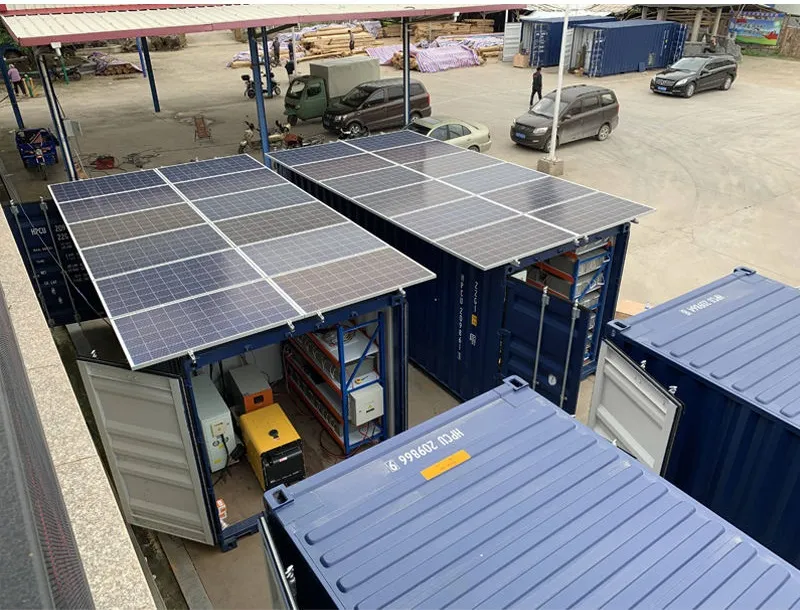
You know how desert winds can turn a sunny day into a sandblasting session? That unforgiving environment is exactly where solar farms are thriving - and facing their toughest test. Recent upgrades to wind pressure resistance standards aren't just bureaucratic red tape; they're lifelines keeping panels anchored against nature's fury.
Why Wind is More Than Just a Nuisance
When you picture wind damaging solar farms, you might imagine panels getting ripped clean off their mounts. But real-world failures are sneakier - like uneven pressure lifting corners like a crowbar, or vibrations wearing down bolt threads over time. Desert gusts are especially devious because they're unpredictable - swirling between rows of panels, accelerating through gaps, creating uneven suction forces.
"Edge panels get hammered hardest in wind tunnel tests - sometimes facing pressures 40% higher than center arrays. That's where we often see first failures during desert storms."
The Rocky Road to Smarter Standards
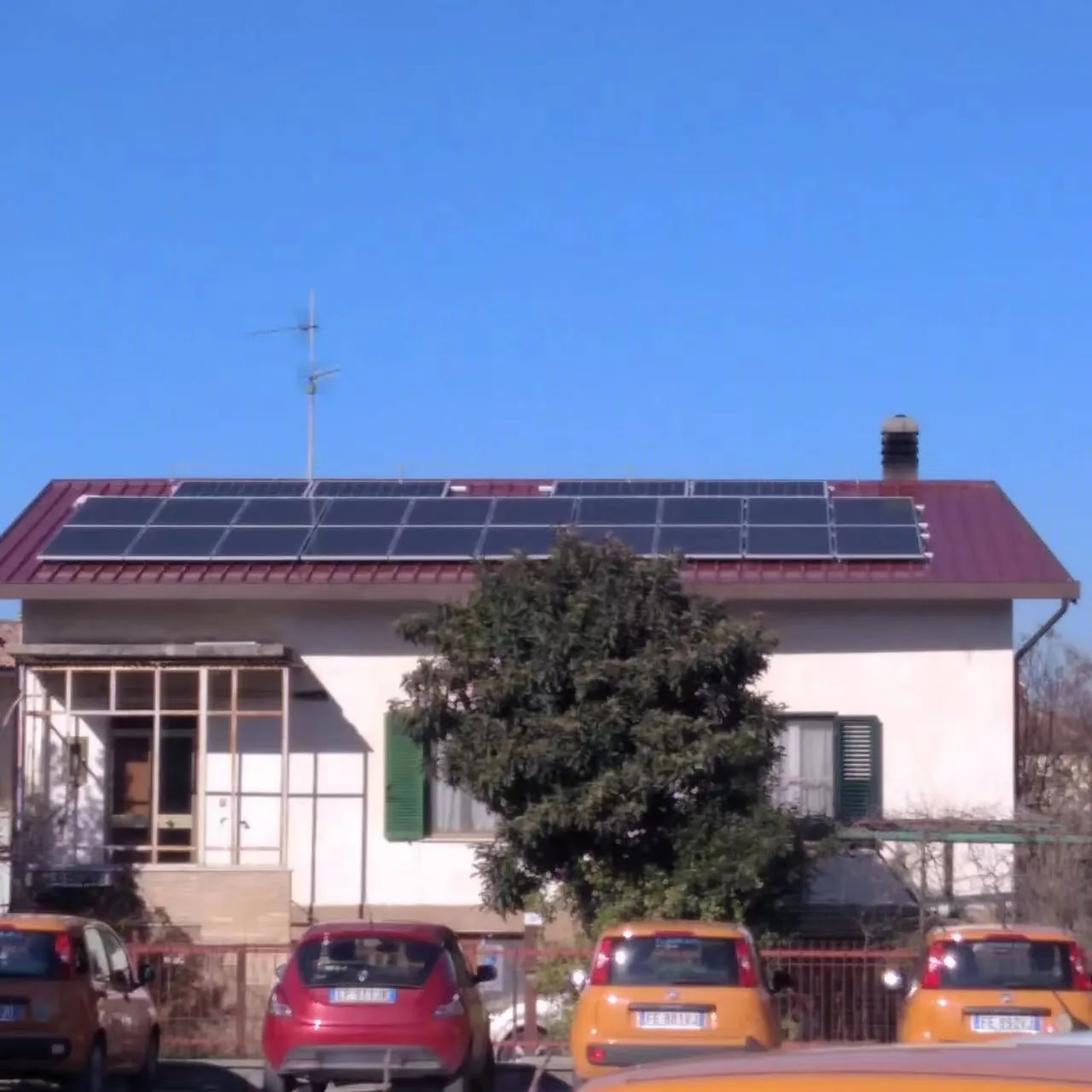
Early regulations treated all panels equally - like giving the same raincoat to someone in London and Dubai. We've since learned that wind behaves differently around solar arrays versus single installations. It's the aerodynamic shadow effect - where downstream panels shelter behind others, experiencing dramatically different forces depending on their position.
Key Upgrades in New Standards
- Location Matters: Edge, corner, and center panels now have distinct pressure coefficient requirements
- Terrain Adjustments: Sand dunes vs flat desert require different anchoring strategies
- Dynamic Load Models: Accounting for gust patterns rather than steady-state winds
- Structural Weakness : Material stress points now dictate mounting designs
What the Wind Tunnel Revealed
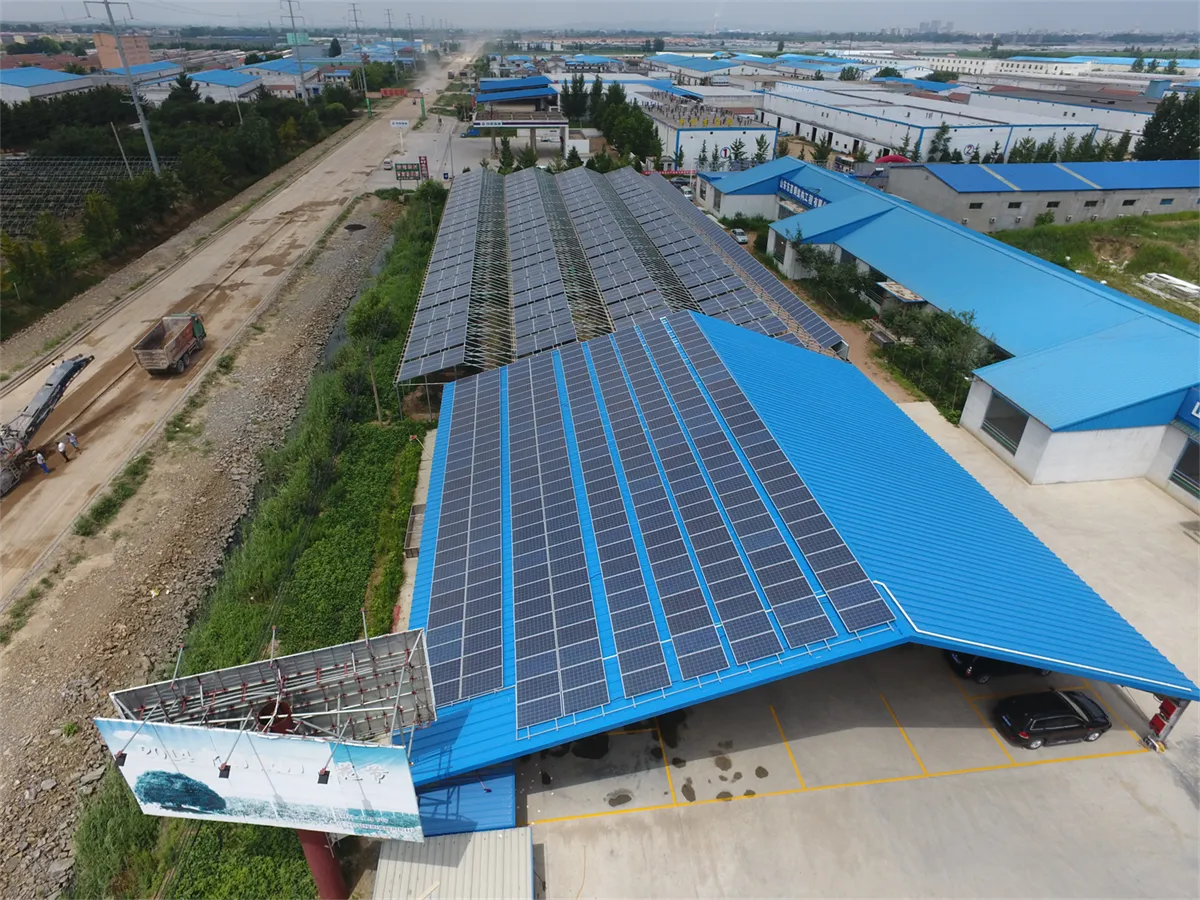
When researchers put scaled-down solar arrays in wind tunnels, they discovered patterns no designer could anticipate. At 45-degree panel angles, wind hitting the top surface created suction underneath like airplane wings - a deadly combination. The worst-case scenario? Winds hitting at 30-degree angles to the panel rows - creating alternating pressure zones that twist mounting structures.
Pressure Coefficients by Panel Position
| Position | Max. Pressure Coefficient | Common Failure Points |
|---|---|---|
| Front Row Edge | 1.2 | Mounting brackets bending |
| Center Array | 0.5 | Connector fatigue |
| Corner Panels | 1.4 | Torque tube deformation |
Beyond Paper: Tangible Changes for Deserts
These updated standards aren't theoretical - they're reshaping desert solar farms. Picture deeper pile foundations reaching stable soil layers beneath shifting sands. Or dual-axis trackers adding 'storm mode' positions that present minimal wind profiles. The changes impact everything from bolt thread specifications to torque tube wall thickness.
One unexpected benefit? Tighter vibration tolerances are reducing micro-cracks in solar cells that slowly bleed power output. It turns out that keeping panels rock-solid not only prevents catastrophic failures but boosts long-term productivity.
Old vs New Approach Comparison
Previously: "Anchor everything to withstand 100 km/h winds" → Over-engineering center panels, under-protecting edges
Now: "Map wind pressure zones and tailor reinforcements" → Right-sized protection at critical locations
Practical Wisdom for Installers
Field teams have developed clever tricks applying these standards:
- Using temporary anemometers to spot micro-turbulence zones before mounting
- Rotating panel orientations 15° offset to prevailing winds
- Installing sacrificial pressure sensors at array edges
- Creating drainage gaps that double as pressure-equalization vents
"We've learned never to position junction boxes on the windward side - it's like putting a sail on your solar array. That simple relocation has cut warranty claims by 30%."
What's Next for Wind Resilience
The evolution continues with several promising developments:
Smart Trackers using accelerometers to detect dangerous resonant frequencies and automatically change panel angles - like shock absorbers for wind. Machine Learning models that predict localized pressure zones using historical weather data rather than generic maps. And perhaps most intriguing: flexible panel mounts inspired by palm trees that sway instead of resisting, distributing wind forces.
We're even seeing innovations borrowed from other fields - for instance, incorporating pressure regulation channels similar to integrated wall panel technology in storm-resistant buildings. The synergies between construction tech and solar installation continue to grow.










