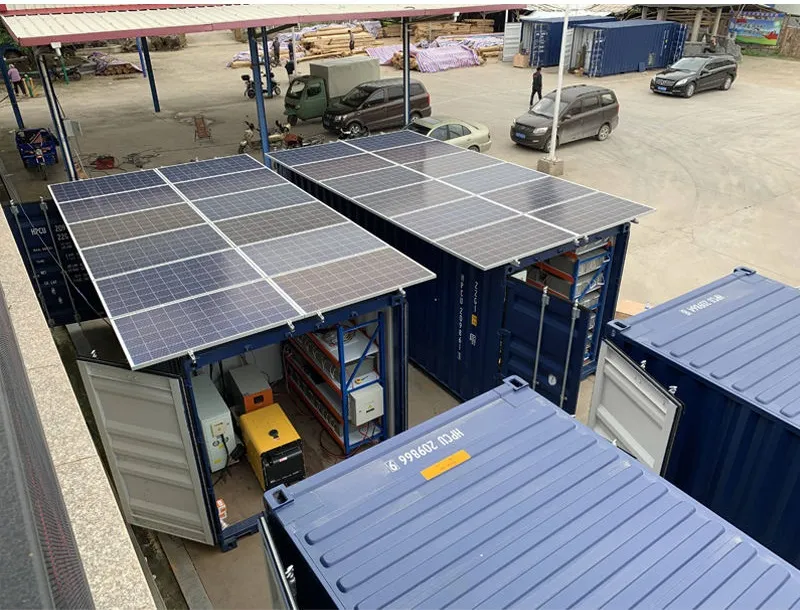
Let's talk
solar panels. You wouldn't buy a car without crash-test ratings, right?
Well, IEC 61215 is the equivalent crash-test for
solar panels - it tells you whether
that shiny photovoltaic rectangle on your roof can handle decades of real-world abuse.
This standard separates panels that'll generate power reliably for 25+ years from
those that'll fizzle out before your payback period.
IEC 61215 isn't just bureaucratic paperwork - it's your financial safeguard.
Certified panels require 60% fewer repairs over a decade compared to uncertified
alternatives. In practical terms, that's thousands saved on maintenance and avoids
the nightmare of replacing underperforming panels mid-project. Think of it as an
insurance policy written into international engineering standards.
Real Cost of Cutting Corners:
A Southeast Asian solar farm operator saved $150,000
upfront by skipping certification. Within 3 years, they'd spent $700,000 replacing underperforming panels.
Certified panels cost 3-5% more initially but prevent 90% of early failures.
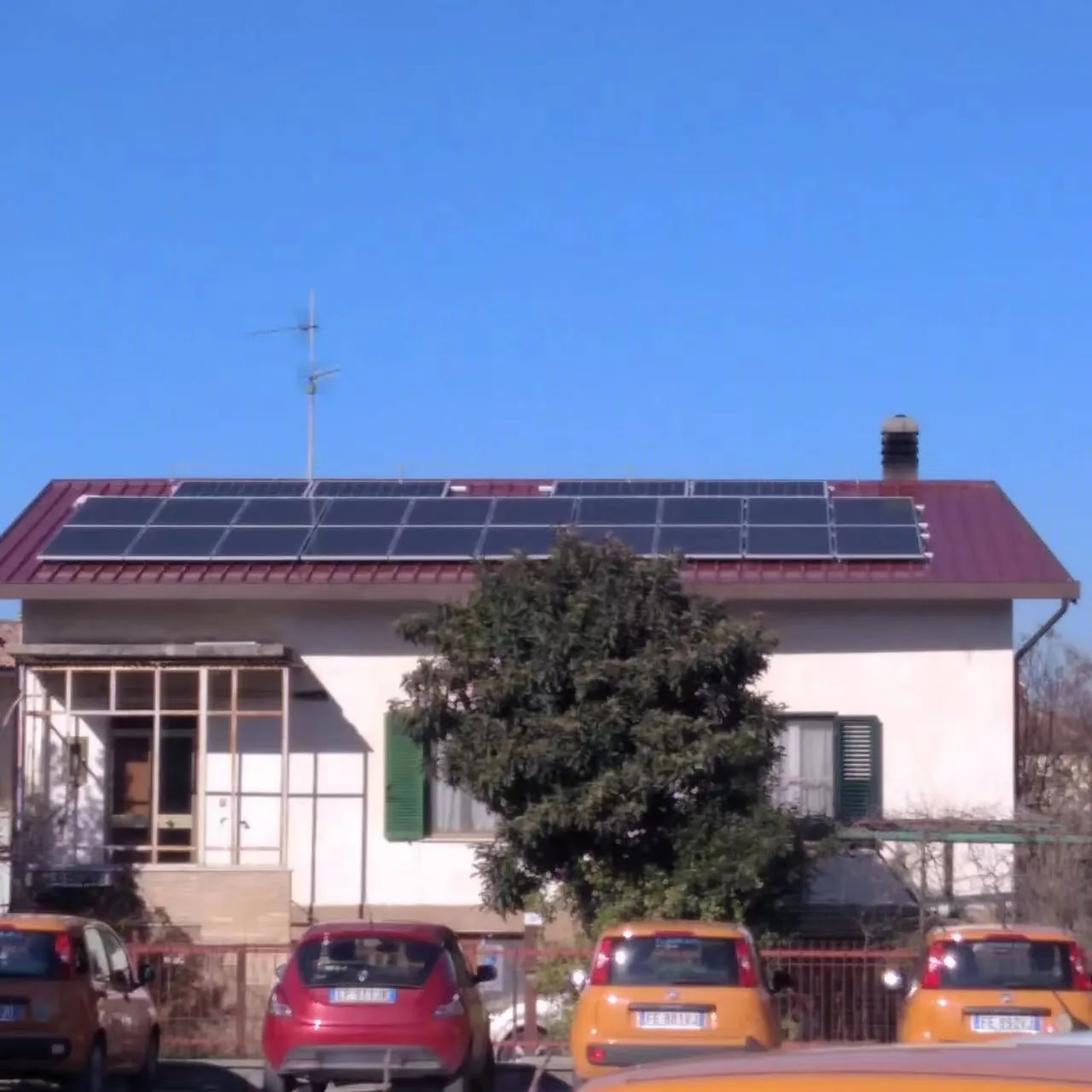
Originally published in 1993, IEC 61215 has evolved through multiple revisions
(2016 and 2021 being most significant). It's split into two complementary pieces:
Part 1: IEC 61215-1
The rulebook - establishes requirements for:
-
Test sequences and pass/fail criteria
-
Documentation requirements
-
General construction principles
-
Power degradation limits (critical: max 5% after testing)
Part 2: IEC 61215-2
The instruction manual - defines exact testing protocols:
-
Equipment specifications
-
Test procedures step-by-step
-
Environmental simulation methods
-
Measurement tolerances and precision
1. Visual Inspection Screening
The first reality check - trained inspectors examine for defects like microcracks,
delamination, solder flaws, and frame misalignment that might indicate deeper quality issues.
2. Power Measurement at STC
Baseline verification: Panels are tested at Standard Test Conditions (25°C cell temp,
1000W/m² irradiance) to establish their power rating - your financial calculation foundation.
3. Insulation Resistance Test
Safety first! Panels must demonstrate resistance >40MΩ/m² even when exposed to high voltage (1000V + 2x system voltage).
4. Temperature Coefficient Measurement
How performance changes with temperature matters - these coefficients predict real-world output in your climate.
5. Nominal Operating Cell Temperature (NOCT)
Simulates real operating conditions (20°C ambient, 800W/m² irradiance) to give more accurate performance data than STC.
6. Performance at Low Irradiance
Critical for dawn/dusk/cloudy performance - measures output at just 200W/m² irradiance (equivalent to heavy overcast).
7. Outdoor Exposure Test
20 European summer days (60 kWh/m² accumulated) of real sun exposure tests early degradation and light-induced effects.
8. Hot Spot Endurance
Simulates shaded cells becoming reverse-biased "heaters" - measures local temperature spikes that damage panels.
9. UV Preconditioning
15 kWh/m² UV exposure at 60°C degrades poor encapsulation materials before subsequent tests.
10. Thermal Cycling (-40°C to +85°C)
200 brutal cycles mimicking decades of temperature swings - exposes material expansion/contraction failures.
11. Humidity Freeze Testing
Water intrusion + freezing = destructive expansion. 10 cycles between tropical humidity and arctic freeze.
12. Damp Heat Torture Test
The "tropical death chamber": 1000 hours at 85°C and 85% humidity - simulates 20+ years in humid climates.
13. Mechanical Load Testing
Simulates heavy snow (2400 Pa front load) and wind suction (5400 Pa back load on quality panels) pressures.
14. Hail Impact Resistance
25mm ice balls fired at 23 m/s (up to 35mm at 27.2 m/s for premium panels) - mimics severe hailstorms.
"IEC 61215 mainly confirms panels won't fail in their first 5-10 years under normal conditions - it doesn't guarantee 25-year performance or account for manufacturing variability after certification."
Certification tests manufacturer-selected samples - not random production units. And testing occurs only once during certification,
leaving room for subsequent cost-cutting in materials or production. That's why projects needing guaranteed longevity should
specify:
-
Batch testing documentation
-
Factory audit reports
-
Enhanced warranties
-
Manufacturers doing extended testing (like Couleenergy's 5400 Pa mechanical load tests)
While 61215 tests durability, IEC 61730 focuses on critical safety:
|
Safety Aspect
|
Test/Requirement
|
Purpose
|
|
Electric Shock Protection
|
Clearance: ≥5.5mm (1500V systems)
Creepage: ≥12.5mm
|
Prevents accidental contact with live parts
|
|
Fire Safety
|
Class A/B/C fire ratings with flame spread limits
|
Reduces roof fire risks
|
|
Component Standards
|
Junction boxes (IEC 62790)
Connectors (IEC 62852)
|
Ensures all components meet safety specs
|
|
Environmental Safety
|
Wet leakage current <50 μA/kV
|
Prevents electrocution during rain
|
Not all certifications are equal - knowing these labels matters:
|
Certification
|
Authority
|
Verification
|
Value
|
|
IEC
|
International Electrotechnical Commission
|
Lab testing of samples
|
Global performance baseline
|
|
CE Mark
|
European union
|
Often self-declared
|
Minimum EU market entry
|
|
TÜV
|
Independent German organization
|
Factory inspections + testing
|
Higher reliability assurance
|
IEC standards evolve with technology. The 2021 update added tests for:
-
Double-sided (bifacial) panels
-
Large-format 600W+ modules
-
Advanced cell technologies
-
Climate resilience (hail up to 35mm, wider temperature ranges)
-
High-voltage system compatibility
Using
residential solar panels certified to IEC 61215:2021 rather than older versions provides better long-term
reliability assurance as extreme weather patterns increase.
When specifying panels, demand:
-
Certification Documents:
Full IEC 61215:2021 and IEC 61730:2023 reports
-
Post-Test Degradation:
<3% power loss (not just "pass")
-
Safety Class:
Class II (double insulation) or Class 0 (restricted access)
-
Fire Rating:
Class A for rooftop installations
-
Factory Documentation:
Production QC reports and batch testing
-
Warranty:
Minimum 25-year performance guarantee
While certified panels cost slightly more, the long-term economics are compelling:
"Over a 25-year lifespan, certified panels typically deliver 8-12% more energy due to better durability and
lower degradation rates. When combined with reduced maintenance, the total cost of ownership is lower despite
the initial premium."
Solar investments are marathon runs, not sprints. IEC 61215 certification doesn't guarantee victory, but it
significantly stacks the odds in your favor. Combined with manufacturer quality commitments and smart
procurement practices, it remains the most reliable predictor of whether your panels will still be
generating returns decades after installation.