


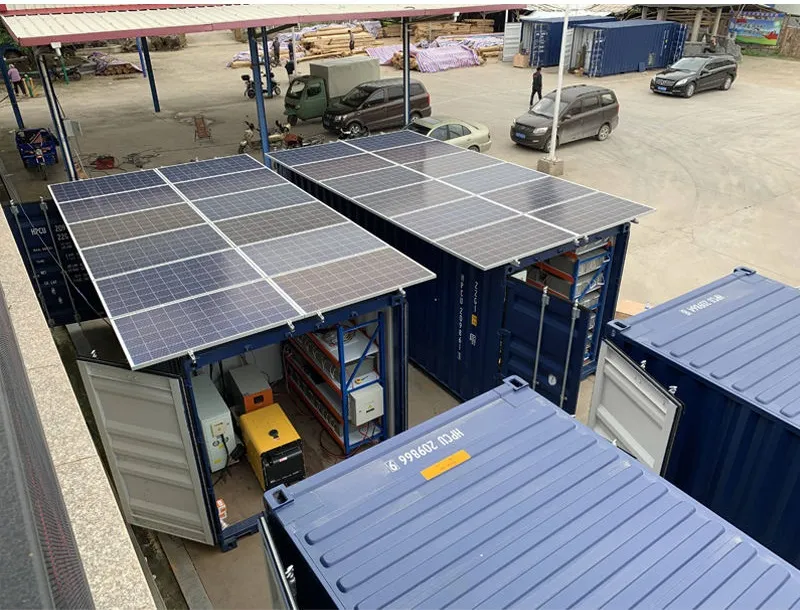
Let's talk about something that doesn't get enough attention in the renewable energy world – the surprisingly complex journey those shiny solar panels take from factory to rooftop. When most people picture clean energy equipment, "dangerous goods" isn't the first label that springs to mind. But stick with me here because this classification affects everything from shipping costs to installation timelines.
See, once these panels get loaded onto a cargo ship or cargo plane, they transform from clean-energy heroes into potential hazards. Why? Those glass surfaces we rely on to capture sunlight become fragile shrapnel risks during turbulence. Those lithium-ion batteries tucked away in some panel models? They've got thermal runaway written all over them under pressure. And don't even get me started on the chemical cocktails inside the photovoltaic cells.
The Heart of the Matter: What UN3171 Really Means
Picture this: You've just secured a huge order of solar panels manufactured in Vietnam destined for a solar farm in Arizona. Your logistics team slaps the standard "Fragile" stickers on the containers and calls it a day. Then customs officials halt shipment at the port – turns out you needed Class 9 hazard labels and specialized documentation. This happens more often than you'd think.
UN3171 isn't just another random number on a shipping form. It's the code that screams "this cargo contains battery-powered equipment" to every inspector, dockworker, and pilot who handles your shipment. And here's where things get personal – misclassifying this could:
- Delay projects by weeks as shipments get held at customs
- Add tens of thousands in unexpected hazardous material surcharges
- Void your insurance coverage the moment containers leave the factory
The sting of improper classification is real. I've seen companies lose entire container shipments to regulatory seizures because they treated solar panels like regular glass merchandise. One client in Germany had panels stuck at Hamburg port for 47 days while arguing about cadmium telluride content documentation. That facility's commissioning got pushed back by three months.
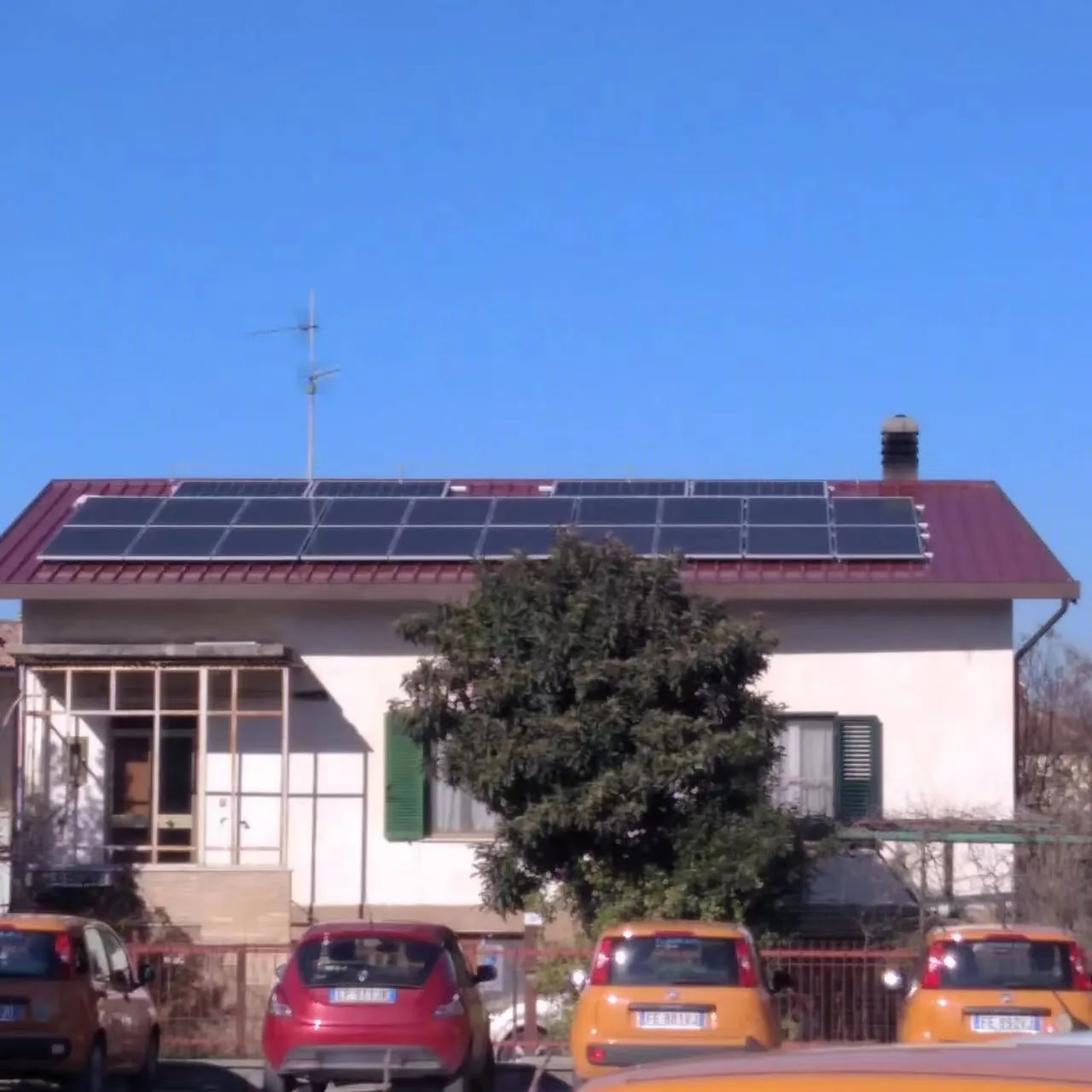
When Clean Energy Gets Messy: Hazardous Components You Can't Ignore
Let's get into the nitty-gritty of what actually makes these seemingly benign panels trigger dangerous goods classification:
The Battery Factor
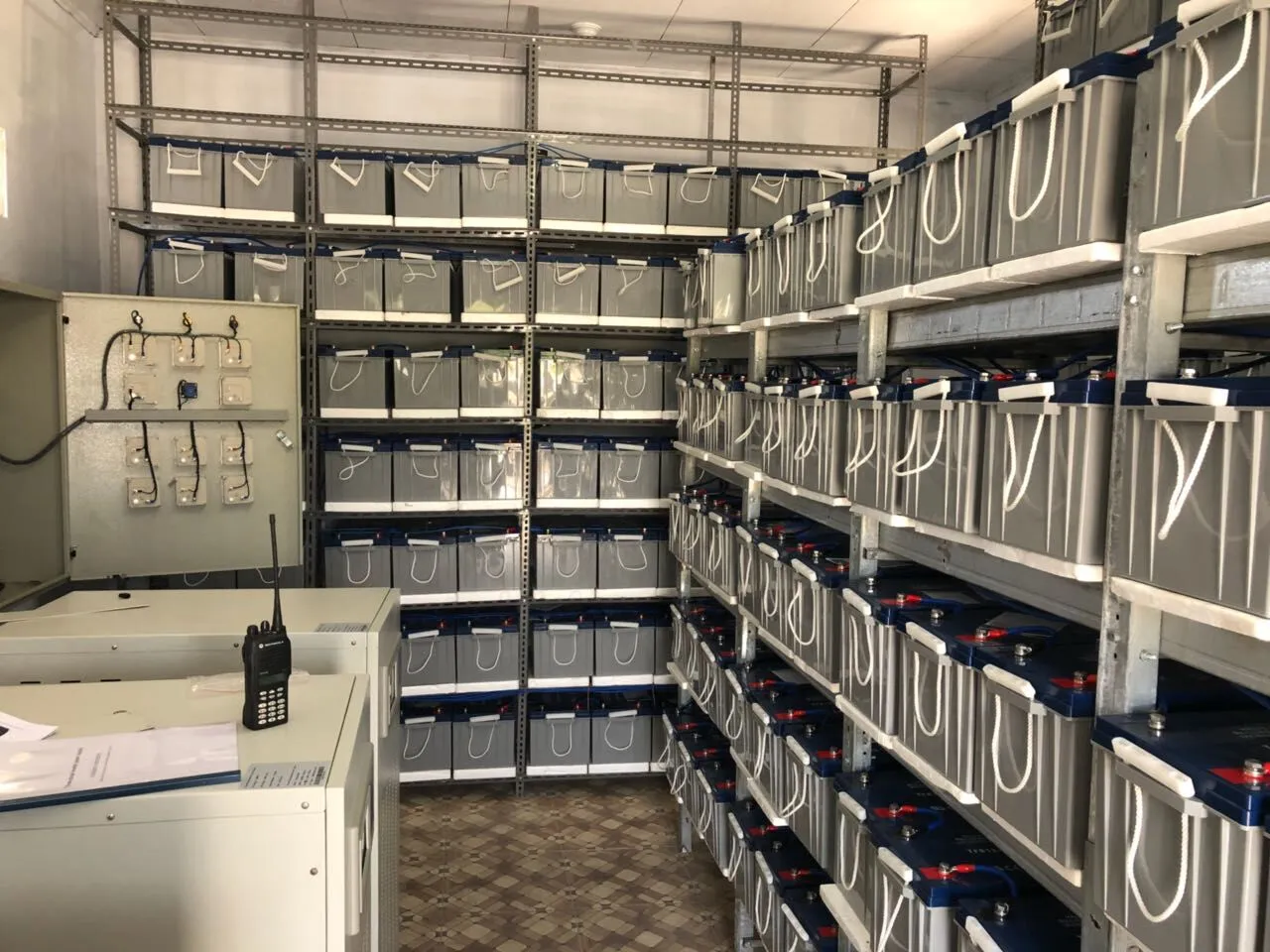
Many modern panels come with integrated energy storage – basically built-in batteries that smooth out power delivery. This seems practical until you're dealing with:
- Lithium-ion batteries (the thermal runaway risk during rapid pressure changes in flight)
- Lead-acid batteries (electrolyte spill potential and toxic lead exposure)
Chemical Cocktails Inside
Inside those sleek frames lurk materials that make safety inspectors sweat:
- Cadmium telluride (toxic heavy metal dust if panels fracture)
- Silicon tetrachloride (lung irritant that forms hydrochloric acid on contact with moisture)
- Anti-reflective coatings containing titanium oxide nanoparticles (respiratory hazards when aerosolized)
Why This Matters at Sea: Saltwater exposure can degrade panel casings over time. I consulted on a case where corroded panel frames leaked silicon tetrachloride into a ship's ballast tanks during a monsoon season crossing – $85k in cleanup costs and a near-environmental incident report.
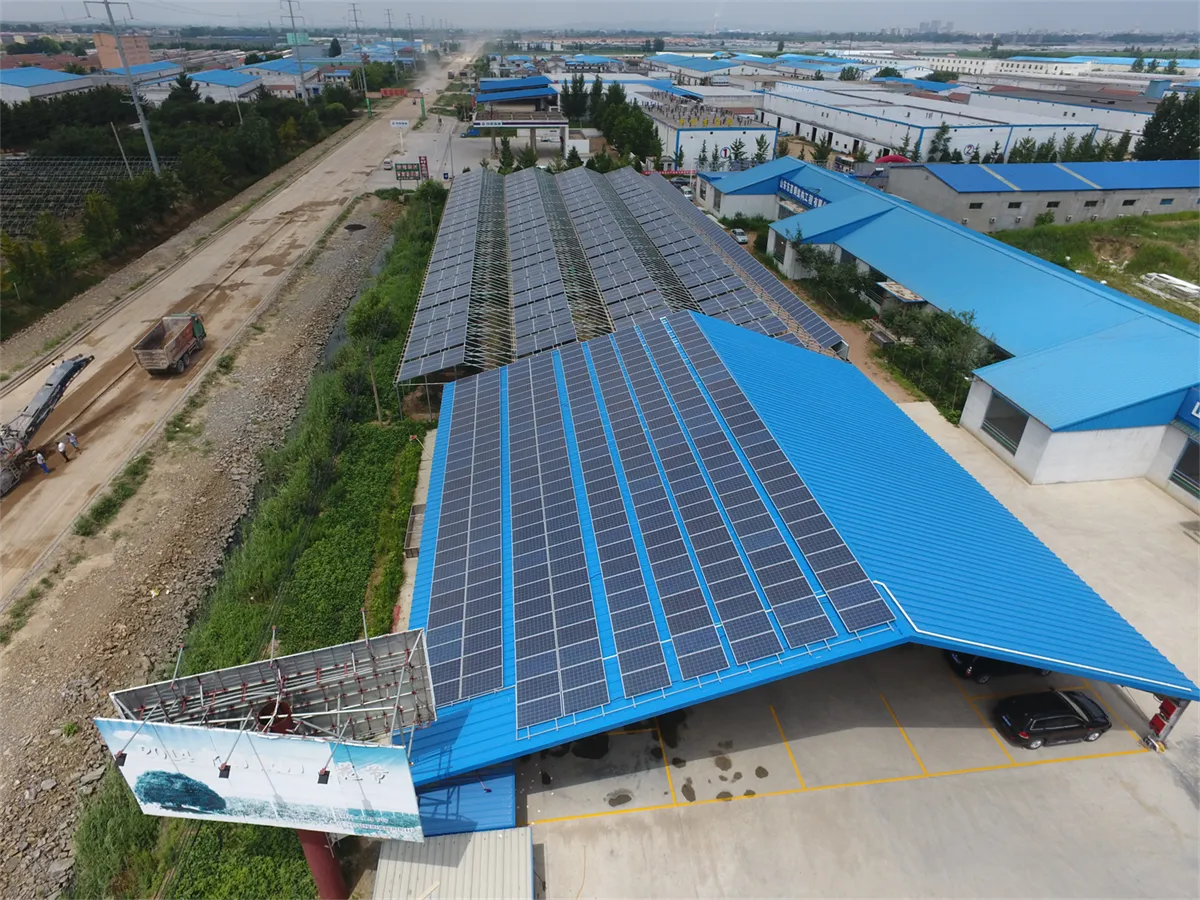
Practical Navigation: Getting Classification Right
Here's how the pros actually handle this behind the scenes:
Material Declaration Deep Dive
Cut through the vague manufacturer statements with specific demands:
- Exact chemical percentages down to 0.1% threshold compliance
- Safety Data Sheets (SDS) that aren't just boilerplate copies
- Third-party lab verification for contentious substances
Pro Tip: Always request SDS sheets following the latest Globally Harmonized System (GHS Rev.9) format – outdated formats often miss newer material disclosures.
Packaging That Actually Protects
Cookie-cutter packaging gets shipping containers rejected:
- Double-wall corrugated with 32 ECT rating minimum
- Edge protectors rated for >250kg compression force
- Vapor barriers for humidity-sensitive components
On a recent solar farm project in Nevada, custom angle brackets saved $12k in crushed panel replacements compared to standard packaging.
Paperwork That Doesn't Fail You
These documents make the difference between clearance and chaos:
- Dangerous Goods Declaration (DGD): Template precision matters – the difference between "lithium batteries" vs "UN3480, PI 966 Section II" determines if cargo flies or dies in a warehouse.
- Shipper's Certification: One client learned the hard way when an unsigned certification held up 14 containers in Rotterdam – the $37k/day demurrage costs hurt more than the signature oversight.
- Country-Specific Addendums: Brazil's ANTT Resolution 5236 requires extra thermal testing certificates that nobody mentions until clearance.
Real-World Scenarios That Keep Logistics Managers Awake
Case Study 1: Canadian solar firm faced rejected cargo at Incheon Airport. Why? Lab tests revealed cadmium levels at 0.095% - just under the 0.1% reporting threshold. But Korean regulations required notification for all cadmium presence regardless of percentage.
Case Study 2: Sea shipment from Malaysia to California got rerouted due to undeclared lithium batteries. Hidden within panel junction boxes were coin cells for monitoring systems. Final resolution took 19 weeks.
Proven Tactics for Hazard-Free Shipping
Through hard-won experience, industry leaders follow these practices:
- Classification Audits: Quarterly chemistry re-verification as manufacturers quietly change formulations.
- Multimodal Planning: Having air/sea/land contingency plans avoids route-based classification surprises.
- Container Sensors: $200 humidity/tilt/shock loggers prevent "you damaged it" finger-pointing.
Integrating fireproof ceiling tile technology into container insulation is becoming standard practice for high-value solar shipments. This not only meets fire containment regulations but also reduces insurance premiums by 5-11%.
Looking Ahead: The Regulatory Horizon
Emerging considerations that'll change the game:
- IMO's 2025 amendments expanding cargo hold temperature monitoring requirements.
- EU's Battery Passport system creating digital audit trails for integrated storage.
- EPA's proposed cadmium transportation thresholds potentially dropping to 0.05%.
These mean your logistics strategies need more flexibility than ever.
Conclusion: Making Compliance Your Competitive Edge
When we strip away the technical jargon, UN3171 compliance isn't about jumping through bureaucratic hoops – it's practical risk management. That solar developer in Kenya whose containers rolled off damaged in Mombasa? They learned how proper classification dictates packaging standards the hard way.
The logistics manager who discovered undocumented batteries during pre-shipment checks? They became the company hero who prevented a 3-month project delay. Getting the classification right isn't just paperwork compliance – it protects your investment, your schedule, and your reputation in this critical global supply chain.
References & Additional Resources
- International Air Transport Association (IATA). Dangerous Goods Regulations , 64th Edition.
- International Maritime Organization (IMO). IMDG Code Amendment 41-22 .
- United Nations Economic Commission for Europe. Recommendations on the Transport of Dangerous Goods: Model Regulations .
- Solar Energy Industries Association. "Best Practices in PV Module Logistics" (2023).
- U.S. Department of Transportation. "49 CFR Parts 100-185" Hazardous Materials Regulations.










