


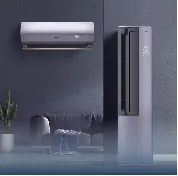
Feeling overwhelmed by cryptic acronyms like SEER, EER, and HSPF on your air conditioner's spec sheet? You're not alone. As temperatures climb this summer, understanding these ratings could mean hundreds of dollars in savings on your energy bills. Let's decode these mysterious labels and explore how upgrading to a high-efficiency unit pays off—without drowning you in jargon.
Why Efficiency Ratings Matter: Your Wallet vs. The Weather
When that summer heat starts cranking up, your AC works overtime—and so does your energy meter. In 2025 alone, cooling costs jumped 6.2% nationally . But here's the kicker: efficiency ratings directly dictate how hard your system fights the heat versus how hard your bank account fights the bill.
Imagine two neighbors:
- House A has a 10-year-old AC unit with a SEER 10 rating
- House B installed a SEER 20 model last spring
During a heatwave, House B stays just as cool while using half the electricity . That’s the power hidden in those little numbers on the EnergyGuide label. And with climate extremes becoming the norm? These aren’t luxury upgrades—they’re financial armor.
Decoding the Alphabet Soup: What Those Ratings Actually Mean
The ENERGY STAR® Game Changer: More Than Just a Pretty Label
That blue sticker isn't marketing fluff. It's your guarantee the unit outperforms federal efficiency standards by up to 15%. In practical terms:
| System Type | Minimum for ENERGY STAR | Typical Savings vs. Standard Units |
|---|---|---|
| Central AC | SEER 15+ | $115/year |
| Window AC | CEER 12+ | $35/year |
| Heat Pump | SEER 15+ & HSPF 8.5+ | $150/year |
ENERGY STAR certification also means:
- Third-party testing verification
- Quieter operation (some models are library-quiet)
- Advanced humidity control
The Savings Math: How Efficiency Translates to Dollars
Let's get practical with a common upgrade scenario:
Old system: Central AC, SEER 10 (average 10-year-old unit)
New system: ENERGY STAR model, SEER 20
Annual cooling cost: $600 → $300 (50% reduction)
Payback period: 5-7 years for most homes
But wait—there are accelerating factors:
- Regional multiplier effect: In Phoenix (120+ annual cooling days), savings hit $450/year versus Detroit’s $200
- Utility rebates: Many offer $400-$1,000 for high-SEER upgrades
- Federal tax credits: 30% back on equipment + installation through 2032
Real-world wisdom: Always get an HVAC pro to run a Manual J Load Calculation. Oversized units short-cycle and waste energy; undersized units run constantly. Proper sizing matters as much as the rating.
Climate-Specific Strategies: Match Your Machine to Your Weather
Not all regions should prioritize the same ratings. Maximize savings with geography-specific upgrades:
Swampy South (FL, LA, TX)
- Focus: High SEER + High EER
- Why: Long cooling seasons + extreme humidity
- Sweet spot: SEER 18-20 + EER 13
Humid Northeast (NY, PA, MA)
- Focus: SEER + HSPF
- Why: Dual heating/cooling needs
- Sweet spot: Heat pump with SEER 16+ & HSPF 9+
Arid Southwest (AZ, NV)
- Focus: SEER + Variable Speed compressor
- Why: Monsoon humidity spikes meet extreme heat
Hidden Installation Pitfalls: When Good Ratings Go Bad
Here’s what manufacturers won’t tell you: A SEER 20 system improperly installed performs like a SEER 14. Critical installation factors:
Ductwork Disasters
Leaky ducts rob 20-30% efficiency. Simple fix: Demand a duct blaster test post-installation.
Refrigerant Charging
Just 10% undercharge = 20% efficiency drop. Pro move: Verify they use digital manifolds (not guesswork).
Airflow Matters
Oversized ducts cause short-cycling. Pair new units with multi-speed air handlers —crucial for reaching advertised SEER.
Smart homeowner hack: Good contractors provide ACCA-approved installation reports. If they skip this, walk away.
Long-Term Efficiency Hack: Maintenance Is Your Money Multiplier
A high SEER rating degrades without care. Keep peak performance with:
- Bi-annual tune-ups: Restores 95% of degraded efficiency
- Filter changes: Every 60-90 days—clogged filters slash efficiency 15%
- Coil cleaning: Dirty evaporator coils waste 30% energy
For permanent savings, integrate your AC into a whole-home energy ecosystem . Smart thermostats (like Ecobee) and zoning systems can yield an additional 20% savings beyond the SEER rating.
The Bottom Line: Invest in Efficiency, Not Just Cooling
High SEER and EER ratings aren't premium luxuries—they're financial tools. Every point increase in SEER translates to about 5% operational savings. That’s compound interest working for your household budget.
Before buying, remember this hierarchy:
- Right-size your system (Manual J calculation)
- Maximize SEER/EER for your climate
- Demand professional installation
- Pair with smart controls
Upgrading AC efficiency is the rare home improvement that pays you back. Make that energy label work for you.










