
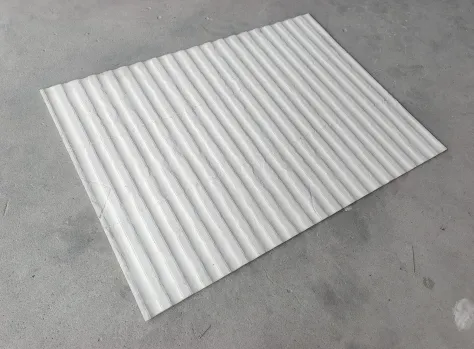
You know how we sometimes worry about what's going on inside our homes? That invisible stuff we can't see but might be affecting our health? Today we're tackling something that flies under the radar for most people—the subtle radiation lingering in building materials like century stone. It's the kind of thing you don't think about until someone points it out, but once you know, it changes how you see your surroundings.
So century stone—it's this beautiful, timeless material that builders and architects have used for generations. It's got that classic appeal that never goes out of style. But here's the kicker: even as it sits there looking solid and unchanging, there's activity happening at the atomic level. We're talking about tiny radioactive particles quietly doing their thing, releasing energy whether we notice it or not.
I remember visiting this old library built entirely from local stone—the cool, quiet interior felt like stepping back in time. But later I learned that the very walls radiating that historic charm were also emitting low-level radiation. Not enough to panic about, but definitely enough to make you think twice. It's like discovering your favorite cozy sweater has been shedding invisible fibers all along.
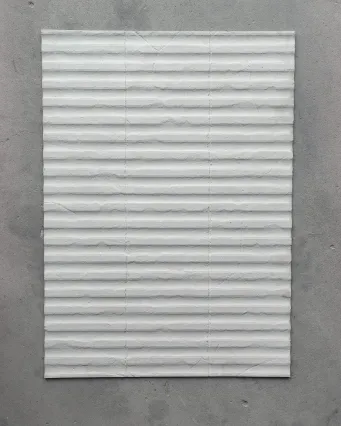
When scientists talk about internal exposure , they're not just pointing to where something's located. It's deeper than that—it's about what happens when radiation gets inside us and interacts with our body's systems. Like when radon gas from stone seeps into your basement air, then you breathe it in. Suddenly it's not about something "out there" anymore; it's inside you, mingling with your cells.
Think about it like this: external radiation is like sunburn on your skin, while internal exposure is more like swallowing something that keeps radiating heat inside your stomach. That distinction matters because our bodies handle these exposures completely differently. And with stone being part of our everyday environments—our homes, offices, schools—that internal dimension becomes personal fast.
That little number in parentheses—0.2—is actually packed with meaning. In the world of radiation safety, it's not screaming danger but whispering caution. Picture a scale where 1 represents the maximum acceptable risk level. At 0.2, we're dealing with something like background radiation you'd encounter on a cross-country flight—present, measurable, but not alarming on its own.
But here's what most people miss: context changes everything. In a well-ventilated office building, stone with a 0.2 index might be perfectly fine. But put that same stone in a tiny, sealed-off basement apartment? Suddenly the exposure risk starts climbing. It's why understanding this number isn't about memorizing digits but feeling how they play out in real living spaces.
The index also speaks to what's happening inside the stone itself—not just its surface properties. Different minerals decay at different rates, releasing alpha, beta, or gamma particles. That 0.2 rating means the combination of these emissions stays within a range where health impacts become minimal with basic precautions.
We often underestimate how building materials shape our experiences. I met a woman whose childhood home had century stone fireplace—she described falling asleep watching the natural patterns in the rock, imagining landscapes. Decades later, learning about its low radioactivity surprised her, but didn't erase those cherished memories. It just added complexity to her relationship with that stone.
There's intimacy in this. The stones we build with become silent witnesses to our lives—they see first steps, family gatherings, quiet moments. When we learn about their radioactive properties, it's not about rejecting them but engaging more consciously with our environments. As we incorporate newer options like green and environmentally friendly building materials , we're not just swapping stones—we're adjusting how future generations will interact with the very walls around them.
Practicality matters. You're probably wondering: "So what do I actually do about this?" First—don't stress. Radiation exists everywhere naturally; our goal is informed awareness. If you've got century stone structures, simple solutions make a big difference:
• Improve air circulation especially in basements and windowless rooms
• Use sealants designed for natural stone to minimize dust and gas release
• Place air-purifying plants in stone-heavy rooms (they won't stop radiation but improve atmosphere)
• Get targeted testing if you have unique concerns about specific areas
What helped me most was realizing these precautions aren't that different from other smart home practices. It's like checking your water quality or testing for lead paint in older homes—knowledge becomes empowerment. Instead of fearing what we can't see, we design around it.
When architects choose materials today, they're weighing more than looks. Century stone brings heritage and aesthetic warmth no synthetic material fully replicates. But its radioactive properties—represented by that 0.2 index—add another layer to the selection process. The smart approach? Respect tradition while respecting science.
Many modern projects now blend century stone with contemporary designs—maybe as accent walls rather than entire structures. Or pairing stone sections with strategic ventilation systems that quietly manage air quality. I recently saw a church renovation where designers installed almost invisible air exchases along beautiful stone columns—preserving history while gently protecting the congregation.
This balancing act extends beyond physical structures to how we feel inside our spaces. There's comfort in natural materials, a grounding effect that concrete jungles lack. The goal isn't elimination but optimization—keeping what nourishes our senses while managing what affects our biology.
Ultimately, that 0.2 isn't just a number—it's an invitation to consider your relationship with the materials around you. How much does knowing about a stone's internal activity change how you feel about a space? For some, it adds fascinating depth; for others, it sparks practical concerns.
What I've learned from studying radiation in building materials is this: Awareness changes your perspective without forcing fear. You start noticing stone surfaces differently—not just their color and texture but their place in our complex relationship with the natural world. And in that noticing, you reclaim agency over your environment.
So next time you're sitting in that century stone building—whether it's a grand museum or your neighbor's remodeled kitchen—take a moment. Feel the cool solidity of the stone against your hand. Know that beneath its timeless appearance, there's motion at the atomic level, captured in that tiny index number. And then breathe easy, knowing understanding brings its own kind of safety.
Recommend Products












