


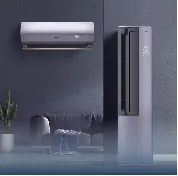
Hey there, homeowner! So you've decided to install a split AC system – smart move for beating that summer heat. But here's the truth: where you place those indoor and outdoor units is just as important as which brand you choose. Get this wrong, and you might end up with weak cooling, noisy vibrations, or worse – constant repair bills. Let's walk through this together step-by-step so you can enjoy that perfect chill without any headaches.
Finding the Sweet Spot for Your Indoor Unit
Picture this: You're relaxing in your favorite chair, but that cool air jet seems to magically avoid you. Frustrating, right? That's exactly why placement matters for your indoor unit. Let's break it down:
- The Goldilocks Height – Mount it 7.5-10 feet up. Too low? You'll freeze your ankles. Too high? Hot air pools near the ceiling. Just right? Perfect blanket of cool air everywhere.
- Avoid "Dead Air" Zones – Keep it away from corners or behind furniture. Imagine air as a river – it needs clear pathways to flow. Dressers or tall plants blocking vents? That's like damming your cooling river.
- Heat Sources Are Kryptonite – That spot above your plasma TV? Over the toaster oven? Nightmare fuel for your AC. Heat radiators trick sensors into working overtime while your room stays warm.
- See the Big Picture – Yes, cooling matters, but so does your room's vibe. Centered on the wall creates harmony, while crooked units feel like that crooked picture frame you keep meaning to fix. Let your AC become part of the décor, not an eyesore.
Outdoor Unit: Your AC's Unsung Hero
That metal box outside isn't just noisy – it's the hardworking heart of your cooling system. Treat it poorly, and the whole system suffers:
- Breathing Room Matters – Give it at least 12 inches of clearance like personal space at a concert. Crammed between walls or shrubs? That's suffocation. The fan struggles, the compressor overheats, and soon you're calling repair techs.
- Weather Protection 101 – Direct sun bakes components like a car dashboard in July. Install under eaves or add a simple slatted cover. One homeowner forgot this – his compressor died 18 months later during a heatwave.
- Silence the Beast – Mount on rubber vibration pads above bedrooms. Your mattress shouldn't buzz like a cellphone! Concrete slabs absorb vibrations best.
- Gravity Is Your Friend – Install higher than indoor units whenever possible. That 3-foot rise? It saves your compressor from fighting gravity and refrigerant flow – like pedaling uphill versus coasting down.
| Great Location | Poor Location | Why It Matters |
|---|---|---|
| Shaded concrete patio | Sunbaked west-facing wall | Outdoor temps drop 30°F in shade |
| Elevated wall bracket | Ground-level near flowerbed | Avoids debris clogging coils |
| 20 ft from bedroom window | Under bedroom window | Nighttime noise reduction |
Copper Lines: Your AC's Circulatory System
Think of refrigerant lines like veins carrying cooling lifeblood. Mess this up, and efficiency bleeds away:
- The 15-Meter Magic Number – Keep lines under 50 feet. Longer runs? Refrigerant turns sluggish like cold syrup. Each extra foot costs you 0.8% efficiency annually.
- Drainage Slope Secret – Pitch lines 1/4" per foot toward outdoor units. That slight tilt prevents moisture traps that corrode pipes from inside out.
- Insulate Like Your Bills Depend On It – Because they do! Use closed-cell foam sleeves for pipes. Uninsulated lines sweat out precious cold like a frosty soda can on a summer day.
- Back-to-Back Bonus – When possible, mount indoor and outdoor units on opposite sides of the same wall. One hotel saved $2,300/year per unit with this simple trick.
Copper Pipe Length vs. Cooling Efficiency
- 10 ft: 100% efficiency
- 25 ft: 94% efficiency
- 40 ft: 85% efficiency
- 50 ft+: Rapid efficiency drop
Installation Pitfalls That'll Cost You
⚠️ The Drainage Disaster
That gentle drip shouldn't become an indoor waterfall! Ensure drain pipes slope away from your home. Use a simple level during install – 1/8" per foot prevents moldy surprises in walls.
Technician Red Flags
Watch for these shortcuts:
- No nitrogen purge during brazing (leaves toxic residues)
- Kinked copper lines (restricts flow like a bent straw)
- Missing vacuum test (lets moisture corrode the system)
"My 'cheap' installer ran pipes across the attic without insulation. Three summers later, I paid more in repairs than the original installation. Don't be me – ask about insulation specifications upfront."
Wrapping It Up
Installing your split AC isn't just technical – it's personal. Where you place those units changes how your home feels . That indoor spot above your reading nook? That shady corner protecting the outdoor unit? Those thoughtful choices turn a machine into comfort magic. Do it right, and your system will hum happily for 10-15 years with barely a whisper. Cut corners? Well... let's just say repair techs love poor installations. Remember: Great cooling starts before you ever press 'ON'.










