


Why Comb Plate Safety Switches Matter
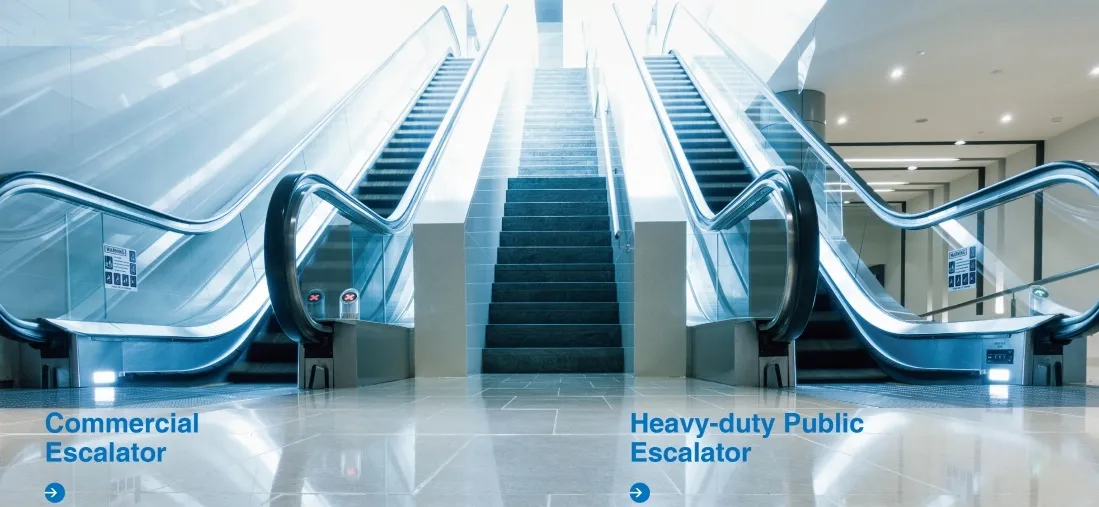
Picture those interlocking metal teeth at the top and bottom of every escalator – the comb plate. This crucial component not only guides passengers safely on and off, but houses a critical lifesaving feature mandated by safety codes since the 1990s. The comb plate safety switch acts as the escalator's nervous system, detecting even slight misalignments that could cause entrapment.
When properly maintained, this hidden hero prevents horror stories we've all heard about. Yet many facilities treat comb plate inspections as box-ticking exercises rather than life-preserving protocols. Let's change that mindset.
The Comb Plate Triangulation Principle
Effective safety switches monitor three-dimensional stability through:
- Vertical displacement sensors detecting lift separation
- Horizontal motion detectors tracking lateral shifts
- Angular alignment gauges monitoring comb-to-floor transitions
Step-by-Step Inspection Protocol
Power-Down & Initial Visual Check
What to look for: Cracks near mounting points, debris accumulation in grooves, warped sections preventing teeth interlock. Use a flashlight to examine crevices – a grain of sand can trigger false positives.
Mechanical Integrity Testing
Apply gradual pressure at critical points:
- 0.5mm vertical displacement should trigger shutdown
- Lateral movement beyond 1mm indicates wear
- Check spring tension using calibrated shims
The Art of Precise Adjustment
Calibration sweet spot: Achieve 0.2mm clearance between comb teeth and step edges – a credit card's thickness. Too tight causes grinding, too loose risks shoe entrapment.
Never force components! If alignment requires excessive pressure, check for:
- Worn step chain guides
- Track misalignment
- Damaged step axle bearings
Beyond Basic Compliance: Maintenance Excellence
Failure Pattern Analysis
Chronic switch misalignment often points to deeper issues:
| Symptom | Root Cause | Solution |
|---|---|---|
| Recursive vertical triggers | Truss settling or foundation shift | Structural survey required |
| Intermittent lateral warnings | Worn guide rollers | replace roller assembly |
Predictive Maintenance Integration
Modern monitoring approaches include:
- Vibration sensors detecting abnormal harmonics
- Thermal cameras identifying friction hotspots
- Load sensors measuring weight distribution shifts
Real-World Resonance: A Cautionary Tale
A Dubai mall's quarterly inspections missed gradual comb plate warping from desert temperature swings. The safety switch compensated until a rainy season caused sudden metal contraction. The resulting 3mm misalignment went undetected until a child's sneaker got trapped.
Lesson: Climate-specific maintenance intervals matter. Desert installations require bimonthly checks during seasonal transitions.
Next-Generation Safety Solutions
Magnetic Field Sensors
Replacing mechanical switches with contactless technology detecting micron-level displacement through magnetic flux variation – unaffected by dust or moisture.
AI-Powered Anomaly Detection
Systems learning normal vibration patterns that flag microscopic changes weeks before human technicians would notice.
Navigating the Regulatory Landscape
While ASME A17.1 provides the baseline, jurisdictions add requirements:
- EU's EN 115 mandates secondary backup systems
- Singapore's BCA requires 6x/year certified inspections
- California mandates seismic-rated components
Remember: Code compliance prevents lawsuits, but exceeding standards saves lives. Treat regulations as the minimum requirement, not the ultimate goal.










