
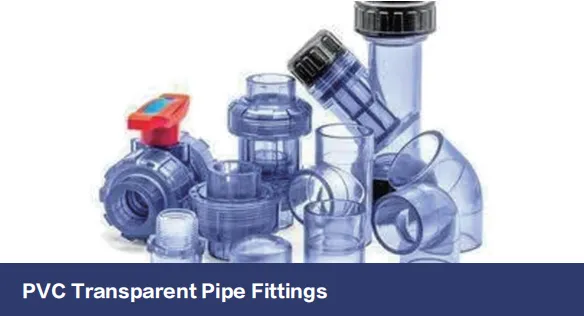
Ever wonder how engineers monitor fluid flow without constant system shutdowns? The answer lies in transparent PVC fittings. Unlike traditional opaque piping, these crystal-clear components function like X-ray vision for your fluid systems. Picture maintaining a chemical processing line where you can actually see the flow rate, spot potential blockages, and verify mixture quality - all in real-time without interrupting operations. That's the game-changing advantage of transparent fittings.
These aren't just ordinary pipes with a see-through gimmick. Modern transparent PVC incorporates UV stabilizers that prevent yellowing and degradation even in outdoor applications. The clarity remains uncompromised for years, letting you spot sedimentation issues before they become costly problems. For chemical plants, pharmaceutical facilities, and food processing operations, this visual verification isn't just convenient - it's an essential quality control feature.
The shift toward transparent systems isn't just about convenience. In biotechnology applications, visual confirmation prevents catastrophic cross-contamination. For municipal water systems, operators detect sediment buildup before it reaches consumers. Even in aesthetic applications like luxury aquarium installations, these fittings provide both function and visual appeal.
Interestingly, the drainage system installations using transparent components have seen 38% fewer maintenance callbacks according to industry surveys. When technicians can visually diagnose issues through the pipe walls, troubleshooting time drops dramatically. No more guesswork about whether a clog is ice, debris, or mineral deposits - you can literally see the problem.
When reviewing quotations, you'll encounter specifications that seem like alphabet soup: DIN PN10, SCH40, ANSI B16. These aren't just random codes - they're your assurance of performance standards. Understanding them prevents costly mismatches between your requirements and delivered products.
| Standard | Pressure Rating | Temperature Range | Common Applications |
|---|---|---|---|
| DIN PN10 | 10 bar (145 psi) | 0-60°C | Water distribution, light industrial |
| ANSI SCH40 | 150 psi | -20-60°C | Chemical processing, HVAC |
| ANSI SCH80 | 300 psi | -20-80°C | High-pressure labs, industrial |
| ISO 1452-2 | 12.5 bar | 0-45°C | Potable water systems |
Not all "transparent PVC" is created equal. Premium formulations include:
Beware of suppliers using cheap PETG instead of true PVC. While initially transparent, PETG clouds within months under UV exposure. Request material certification sheets showing UV stabilizer content. Premium options contain at least 2% titanium dioxide and UV absorbers like benzotriazole derivatives.
The difference between an amateur inquiry and a professional RFQ can mean 25-40% cost savings on transparent fittings. Here's how industry veterans structure requests:
Never just ask for "transparent elbows." Specify: material grade, pressure rating, surface finish requirements, dimensional tolerances, and compliance standards. Include drawing references when possible.
Structure your inquiry with quantity breaks: 1-50pcs, 51-200pcs, 201-500pcs etc. Suppliers will often offer significant discounts at higher volumes.
Require certification of hydrostatic testing per ASTM D1598. Specify 1.5x working pressure for 1 hour minimum. This eliminates suppliers cutting corners.
When reviewing proposals, watch for these warning signs:
Reputable manufacturers typically provide at least 10 technical documents with quotations. Expect material certification, manufacturing process overview, testing methodology, compliance statements, and dimensional drawings as standard inclusions.
Even premium fittings underperform if installed incorrectly. Unlike traditional piping, transparent systems require special handling:
The unique advantage of transparent systems comes with unique responsibilities. While you can visually inspect internals, external UV damage creeps invisibly. Schedule quarterly inspections using UV intensity meters in critical applications. Properly maintained, premium transparent fittings last 7-10 years even in harsh chemical environments.
The transparent piping revolution is accelerating with two emerging technologies. Smart fittings with embedded sensors represent the next frontier. Imagine an elbow fitting that not only shows fluid flow but also measures pH, temperature, and turbidity through integrated IoT sensors. While not yet mainstream, prototypes already exist in German pharmaceutical plants.
Material science breakthroughs include self-healing polymers that repair minor scratches upon heat activation. A Taiwanese manufacturer recently demonstrated fittings that restore optical clarity after hazing using 60°C heat application. Though currently cost-prohibitive for most applications, prices should reach mainstream levels by 2026.
Forward-thinking procurement specialists now:
The most advanced buyers conduct annual polymer testing on random fittings. By measuring yellowness index (YI) evolution according to ASTM E313, they monitor degradation rates invisible to the naked eye. This proactive approach prevents wholesale system replacements after premature clouding.
Evaluate quotes on 10-year TCO:
Initial cost + Installation + Maintenance + Replacement - Salvage Value
Demand recycled material content reports. Leading EU manufacturers now achieve 40-60% recycled PVC content without compromising clarity.
Adopting transparent PVC fittings requires thoughtful specification and sourcing strategy. When implemented correctly, these systems provide invaluable operational visibility that far outweighs their modest premium over opaque alternatives.
Recommend Products












