
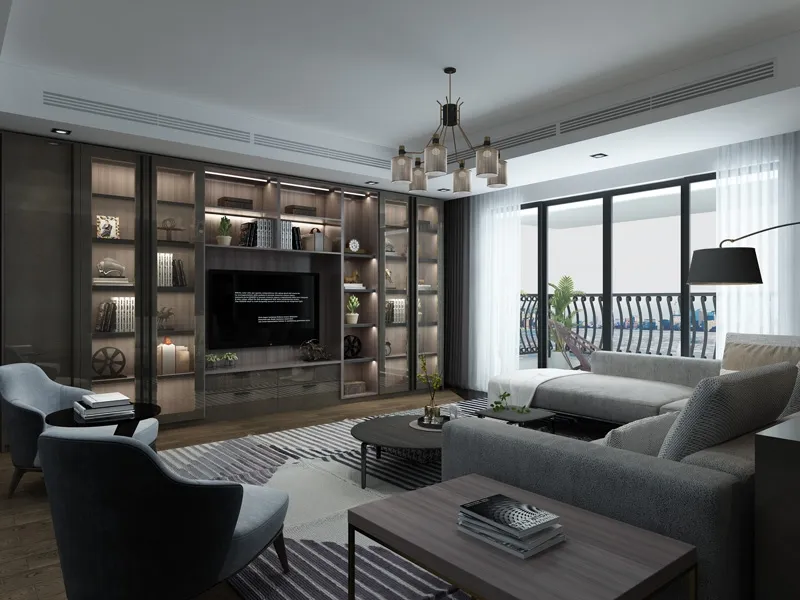
How creative designers are turning waste into stunning furniture pieces while reducing environmental impact
Let's talk about that big black rectangle dominating your living room. No, not the TV screen - the cabinet holding it! Most furniture seems to stick around forever, collecting dust while feeling outdated. But here's the thing: what if your TV cabinet could actually help the planet? That’s not just wishful thinking - it’s happening right now through clever design.
For years, TV cabinets were afterthoughts - bulky boxes made from virgin wood or chipboard, glued together and destined for landfills. But recently, designers woke up to both a problem and opportunity. All this waste we generate? It's actually packed with potential. Think about those cardboard boxes piling up from online shopping, discarded pallets behind grocery stores, or plastic bottles washing up on beaches.
That’s where green and environmentally friendly building materials come into play. Designers realized they could transform discarded items into truly special pieces of furniture. They’re not just recycling - they're upcycling. And your TV cabinet? It became the perfect canvas to showcase how beautiful sustainability can be.
The journey starts with reimagining what furniture can be. Instead of cutting down more trees or drilling for new plastics, these designers look at what we're already throwing away. Cardboard? Turns out when you layer and compress it properly, it's sturdy enough to hold your 65-inch flat screen. Ocean plastics? Melted and molded into sleek, modern stands.
You might worry these eco-cabinets look like obvious DIY projects - rough around the edges and not ready for prime time. But take a look at modern designs and you'll be amazed. Sleek geometric forms, warm natural textures, vibrant colors - these pieces rival any luxury furniture store’s offerings. The difference? They have a backstory that doesn't involve harming the planet.
It all starts with seeing potential where others see trash. Designers partner with recycling facilities, manufacturers, and even community programs to source materials creatively:
Cardboard : Far from just packing material. Through specialized layering techniques called honeycomb paneling, cardboard develops surprising strength. Finishes using natural sealants give it a smooth, durable surface that can resemble wood grain or glossy modern finishes.
Ocean Plastics : Nets, bottles, and packaging salvaged from coastal clean-ups. After thorough cleaning and decontamination, these plastics get shredded and melted. The resulting material can be injection-molded into curved, seamless stands or textured panels with incredible durability.
Reclaimed Wood : Old barn beams, factory flooring, even retired shipping palettes get new life. Woodworkers meticulously remove nails and screws, assess structural integrity, then sand and treat the wood with eco-friendly stains. The character remains - scratches and weathering tell stories instead of ending in landfills.
Modularity is huge in eco-friendly design. Instead of static boxes, designers create systems that evolve with your needs. Have a soundbar? Add the module slot. Got gaming consoles? Slide in ventilated compartments. When you move or upgrade tech, rearrange components instead of replacing everything.
Breathability becomes crucial too. Recycled materials often need airflow to prevent moisture buildup. Clever perforated patterns emerge - geometric cutouts along the sides, breathable fabric-backed panels. Bonus? Your electronics run cooler, extending their lifespan too.
Hidden features make maintenance sustainable as well. Instead of toxic wood adhesives, designers opt for mechanical fasteners - simple screws and bolts that let you replace a damaged panel instead of junking the entire cabinet. Damaged cardboard panel? Unscrew it and slot in a fresh recycled one.
We all know the frustration of tangled cords choking out behind entertainment centers. Eco-designers solve this elegantly with integrated channels within recycled panels that guide cables neatly. Wire management clips made from recycled rubber hold cords securely while allowing easy reconfiguration.
Functionality meets sustainability in ventilation strategies too. Recycled plastic cabinets feature strategically placed perforations forming decorative patterns that double as heat escapes. Media devices get raised platforms with under-grate circulation, preventing overheating using physics rather than energy-consuming fans.
Surfaces get clever treatments. Sealed cardboard gets protective nanocoating derived from plant cellulose instead of plastic resins. Reclaimed wood gets food-grade, non-toxic hard wax oil finishes that accentuate natural grains while blocking spills. Even recycled plastic surfaces develop matte UV-resistant coatings that minimize scratches and fingerprints.
Aesthetics drive adoption - and designers rise to the challenge. Recycled cardboard layers get edge treatments revealing hypnotic striped patterns that resemble geological core samples. Different paper hues create natural gradients when compressed.
Reclaimed wood tells its history. Saw marks become intentional texture lines. Old bolt holes? Enhanced with natural wood inlays creating decorative patterns. Nail holes get filled with pigmented, plant-resin epoxy turning flaws into artistic statements.
Recycled plastics get playful too. Designers embed differently colored recycled pellets into new base material, creating unexpected marbled textures. Clear ocean plastics maintain glimpses of suspended particles - minuscule time capsules in your living room.
Form follows reclamation possibilities. Instead of forcing designs on materials, designers let the reclaimed materials shape the designs. Irregular wood pieces inspire asymmetrical, sculptural stands. Plastic flows form organic curves inspired by water movement.
Health wins emerge when designers avoid toxic adhesives and flame retardants common in conventional furniture. Recycled cardboard requires simple starch adhesives. Ocean plastics need no added fireproofing chemicals since they're naturally fire-retardant. Reclaimed wood finishes rely on plant waxes and mineral pigments rather than volatile chemicals.
Practicality shines through durability. Those cardboard panels? Achieve surprising density through advanced layering and compression. High-pressure resin bonding creates scratch-resistant plastic surfaces surpassing cheaper particleboard alternatives. And reclaimed hardwoods? Naturally tougher than plantation-grown alternatives.
Recommend Products












