
Imagine stepping into your bathroom and knowing every surface actively fights bacteria growth without harsh chemicals. This revolution is happening right now through cutting-edge antibacterial coatings that transform ordinary bathroom fixtures into self-sanitizing surfaces. With healthcare-associated infections causing significant challenges worldwide, these technologies create safer personal spaces using nature-inspired chemistry and smart material science.
Your bathroom is an unexpected microbial battlefield. Constant moisture, organic residues, and varied temperatures create ideal conditions for pathogens like Escherichia coli , Staphylococcus aureus , and mold spores. Traditional cleaning provides temporary solutions, but biofilms quickly regenerate on surfaces. These microbial fortresses adhere tightly to shower curtains, faucets, and tile grout, creating persistent contamination sources.
Microbial colonization follows a predictable pattern: initial attachment by planktonic bacteria, irreversible adhesion through sticky extracellular polymers, microcolony formation, and finally mature biofilm development. On a molecular level, hydrophobic interactions and electrostatic attractions allow pathogens to anchor themselves. Once established, biofilms become resistant to disinfectants—research shows they can withstand concentrations 1,000 times stronger than what kills free-floating bacteria.
These permanent surface modifications work 24/7 without chemicals. Quaternary ammonium compounds (QACs) embedded in polymers disrupt bacterial membranes through electrostatic interaction. When a bacterium contacts the surface, positively charged nitrogen groups in QACs bind to negatively charged cell membranes like magnets. This destabilizes the membrane, causing cellular contents to leak out—picture popping a water balloon.
Real-world applications show 99.99% effectiveness against MRSA on door handles coated with nanostructured cationic polymers. Unlike conventional disinfectants, these coatings maintain efficacy after repeated touch and cleaning cycles.
Photoactive titanium dioxide (TiO₂) creates self-cleaning surfaces powered by light. When UV rays (even from artificial lighting) hit TiO₂ nanoparticles, they generate reactive oxygen species that shred organic contaminants. This process mimics photosynthesis but produces bacterial-killing compounds instead of sugars.
Shower tiles treated with TiO₂ maintain 80% fewer viable bacteria than standard tiles after six months. The technology is particularly effective around moisture-heavy zones like shower stalls where natural light penetrates through glass enclosures.
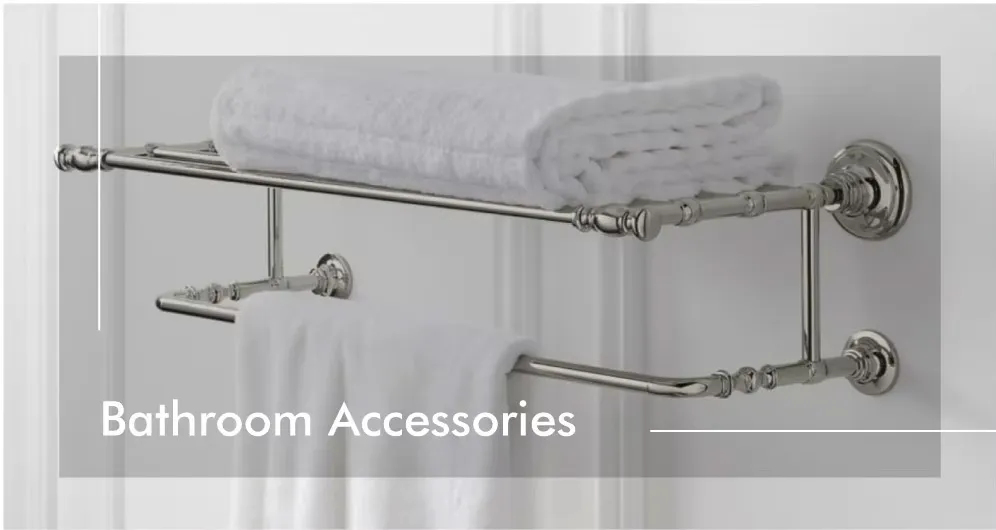
Bathroom accessories with silver-infused ceramic coatings reduce bacterial counts by 94% between professional cleanings. The slow-release mechanism provides continuous protection without visible residue, making it ideal for high-touch faucets and towel bars.
Smart materials like chitosan—derived from crustacean shells—create antimicrobial surfaces that are completely biodegradable. Chitosan's positively charged amino groups rupture bacterial walls while remaining harmless to human cells. Incorporated into silicone shower seals, chitosan coatings reduce mold growth by 89% while preventing material degradation.
Modern coatings adapt seamlessly to diverse bathroom elements:
Nano-ceramic coatings containing copper ions applied through physical vapor deposition create antimicrobial barriers on metal surfaces. When tested in hospital bathrooms, coated faucet handles showed 98% less bacterial transfer compared to uncoated controls.
Hydrophobic silica nanoparticles create an invisible water-repellent layer on glass surfaces. This dual-action technology prevents biofilm attachment while making mineral deposits wipe away easily. The lotus leaf-inspired structure creates microscopic bumps that minimize surface contact for both water droplets and microbes.
Photocatalytic grout mixtures incorporate TiO₂ nanoparticles that activate under ambient lighting. A six-month field study showed treated shower corners required 75% less chemical cleaning to maintain hygienic standards while preventing stubborn discoloration.
As industry shifts toward green and environmentally friendly building materials , plant-derived antimicrobials like tea tree oil microcapsules offer exciting possibilities. Embedded in caulking compounds, these natural agents provide continuous protection while reducing environmental impact.
Emerging technologies promise even smarter bathrooms:
pH-sensitive hydrogels loaded with antibacterial agents remain dormant until detecting bacterial waste products. Triggered release targets contamination at its source while conserving active ingredients. Such systems could be incorporated into toilet seats and drains.
Microcapsule technology inspired by human blood clotting could repair scratches in antimicrobial surfaces. When mechanical damage occurs, microcapsules rupture and release polymer precursors that fill defects while restoring antibacterial functionality.
Post-pandemic research accelerates coatings effective against both bacteria and viruses. Copper-tin oxide coatings show potent antiviral activity against enveloped viruses, with potential applications for high-contact bathroom elements.
Antibacterial surface technology transforms bathrooms into safer spaces while reducing chemical usage. Current challenges include scaling up production economically and ensuring long-term stability under humid conditions. The next generation of coatings will likely combine multiple mechanisms—contact killing, light-activated disinfection, and controlled release—in smart materials that respond to environmental cues.
What seems certain is that future bathrooms will feature inherently hygienic surfaces as standard equipment. The antimicrobial revolution won't just change how we clean—it will change what it means to be clean.
Recommend Products












