
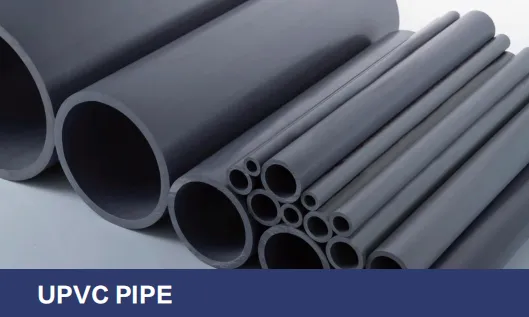
Walk through any modern building—whether it's a cozy home, a bustling office, or a state-of-the-art hospital—and you'll find a hidden network working tirelessly behind the scenes: the piping system. These unassuming channels carry water, remove waste, and keep our daily lives running smoothly. Among the materials that have transformed this essential infrastructure, UPVC (Unplasticized Polyvinyl Chloride) stands out as a quiet revolutionary. From its early days as a budget alternative to metal pipes, UPVC has evolved into a high-performance material that's reshaping how we build. Today, we're exploring the latest innovations in UPVC pipe solutions, where new technologies and designs are making these pipes more durable, versatile, and sustainable than ever before.
UPVC pipes first gained popularity in the 1970s for their corrosion resistance and low cost, but they had limitations. Early versions were rigid, prone to cracking in cold weather, and limited to simple drainage tasks. Fast forward to 2025, and the story couldn't be more different. Today's UPVC isn't just a pipe—it's a solution engineered to meet the demands of modern construction. This shift is driven by a simple truth: builders, architects, and homeowners no longer want just a product; they want reliability, efficiency, and adaptability. And UPVC suppliers have delivered, turning basic plumbing components into integrated systems that solve real-world problems.
Consider the role of a one-stop architectural solution provider today. They don't just sell UPVC pipes—they offer a full ecosystem: pipes, fittings, valves, and even custom design support. This holistic approach means that whether you're building a residential complex or a commercial hub, you can source everything from a single partner, ensuring compatibility and reducing headaches. It's a far cry from the days of mismatched parts and endless vendor calls.
The most exciting innovations in UPVC start at the molecular level. Scientists have reimagined the polymer structure, creating pipes that are stronger, lighter, and more resilient. One breakthrough is the development of cross-linked UPVC, where polymer chains are bonded together for enhanced tensile strength. This has increased the material's pressure tolerance by 40% compared to standard UPVC, making it suitable for high-pressure applications like municipal water supply—once the exclusive domain of metal pipes.
Additives have also gotten a makeover. Modern UPVC pipes include impact modifiers that let them flex without breaking, even in sub-zero temperatures. In regions like northern Europe, where winters are harsh, this has been a game-changer. UV stabilizers now protect outdoor pipes from sun damage, extending their lifespan in irrigation systems from 15 to 30 years. And for sensitive spaces like hospitals and schools, antimicrobial additives are becoming standard. These compounds prevent bacteria and mold growth inside pipes, ensuring cleaner water flow—a critical feature that aligns with the standards of Class A fireproof materials used in healthcare settings, though UPVC itself focuses on fluid safety rather than structural fire resistance.
Another key advancement is the use of recycled content. Today's UPVC pipes contain up to 25% recycled plastic, reducing reliance on virgin materials without sacrificing performance. This isn't just good for the planet; it's good for budgets too. By repurposing plastic waste, suppliers are keeping costs stable while meeting growing demand for sustainable building materials.
If material science is the heart of modern UPVC, design is its soul. The days of wrestling with heavy pipes and messy solvent cement are over. Today's UPVC pipes are designed with installers in mind, focusing on speed, precision, and reliability.
Take the new push-fit joint systems. These innovative connections seal instantly when pushed together, eliminating the need for glue or tools. A plumber can now connect a 10-meter section of pipe in minutes instead of hours, cutting labor costs by up to 50%. And because the joints are reusable, repairs or modifications are a breeze—no more cutting out old sections or re-gluing. It's a small change that's made a huge difference on job sites, where time is money.
Flexibility is another design win. While UPVC remains rigid enough for structural support, new manufacturing techniques allow for controlled flexibility. This means pipes can bend slightly to navigate tight spaces, like between floor joists or around corners, reducing the need for elbow fittings. Fewer fittings mean fewer potential leak points—a big plus for long-term reliability. Some suppliers even offer custom-length pipes, so installers can get exactly the size they need, minimizing waste from cutting.
For drainage systems, PVC DWV (Drain, Waste, and Vent) pipe solutions have seen dramatic improvements. These pipes now feature internal ribbing that speeds up water flow, reducing clogs. They're also quieter—sound-dampening liners mean you won't hear water rushing through walls at 3 a.m. And color-coded systems make installation foolproof: green for waste, blue for vent, and white for drain lines, so even new installers can avoid mistakes.
Sustainability isn't just a buzzword in construction—it's a requirement. And UPVC pipe solutions are rising to the challenge. Let's start with longevity: modern UPVC pipes last 50+ years, compared to 20-30 years for galvanized steel. This means fewer replacements, less material consumption, and lower carbon emissions over time. When they do reach the end of their life, UPVC pipes are fully recyclable, with many suppliers offering take-back programs to turn old pipes into new ones.
Energy efficiency is another plus. UPVC's smooth interior reduces water flow resistance, meaning pumps use less energy to move water through the system. In large commercial buildings, this can cut utility bills by 10-15% annually. And because UPVC is lightweight—about 70% lighter than steel—transporting it requires less fuel, shrinking the carbon footprint from factory to job site.
Even the manufacturing process is greener. New extrusion techniques use 30% less energy than traditional methods, and many factories now run on renewable energy. For example, a leading Saudi Arabia building materials supplier recently opened a solar-powered UPVC plant, slashing its carbon emissions by 45%. It's a sign that sustainability and performance can go hand in hand.
UPVC pipe solutions aren't one-size-fits-all—they're tailored to specific needs. Let's look at how they're transforming key sectors:
In homes, today's UPVC is all about comfort. Imagine a family in a new apartment: the parents don't hear the neighbor's shower through the walls, thanks to sound-dampened DWV pipes. The kids can play in the yard without worrying about frozen pipes in winter, because the UPVC can handle -15°C temperatures. And the homeowners sleep easy knowing their drinking water is flowing through antimicrobial pipes, free from bacteria. Residential suppliers now package these features into "home plumbing kits" that include UPVC pipes, PPR fittings for hot water, and even underfloor heating connections—all designed to work together seamlessly.
Offices, malls, and hotels need pipes that can handle heavy use. High-rise buildings, for example, require UPVC pipes that can withstand water pressure from 20+ floors up. Modern UPVC delivers, with pressure ratings up to 16 bar—enough to serve a 50-story tower. In food courts, chemical-resistant UPVC carries waste water without corroding, even when exposed to oils and detergents. And in airports, where downtime is impossible, quick-install push-fit joints mean maintenance can be done overnight without disrupting travelers.
Factories and municipal projects demand the toughest UPVC. Chemical plants use large-diameter UPVC pipes to transport acids and alkalis, thanks to their corrosion resistance. Wastewater treatment facilities rely on UPVC for its ability to handle harsh chemicals and high flow rates. Even agricultural operations benefit—UV-stabilized UPVC irrigation pipes deliver water efficiently across vast farms, reducing water waste and maintenance costs.
| Feature | Traditional UPVC (2010) | Modern UPVC (2025) |
|---|---|---|
| Maximum Pressure Rating | 6 bar (suitable for low-rise homes) | 16 bar (serves 50+ story buildings) |
| Installation Time (10m section) | 2 hours (with solvent cement) | 30 minutes (with push-fit joints) |
| Low-Temperature Resistance | Cracks at 0°C | Flexible at -15°C |
| Recycled Content | 0-5% | 20-25% |
| Antimicrobial Protection | Not available | Standard (reduces bacteria by 99.9%) |
| Sound Reduction | Minimal (60dB flow noise) | Significant (35dB flow noise) |
Today's UPVC pipe suppliers are partners, not just vendors. They offer technical support that goes beyond the catalog. For example, a hospital project might need custom UPVC pipes that meet strict. A supplier won't just send pipes—they'll send engineers to consult on pipe sizing, flow rates, and installation methods, ensuring compliance with healthcare regulations. For large construction sites, they provide on-site training for installers, so the team knows exactly how to use the new push-fit joints or antimicrobial pipes.
Many suppliers also offer digital tools, like 3D modeling software that helps architects design piping systems before construction starts. This prevents costly mistakes and ensures the pipes fit perfectly with other building components, like walls or ceilings. It's this level of service that turns a simple pipe supplier into a one-stop solution provider, trusted by builders to deliver success.
The innovations keep coming. One emerging trend is "smart UPVC"—pipes embedded with sensors that monitor flow, pressure, and leaks in real time. Imagine a building manager getting an alert on their phone: "Leak detected in 3rd floor bathroom pipe—shutting off valve automatically." This technology could prevent water damage and save thousands in repairs. Early trials in luxury hotels have shown promise, and we can expect widespread adoption by 2030.
Bio-based UPVC is another frontier. Researchers are replacing petroleum-based components with plant-derived polymers, creating pipes that are even more eco-friendly. Early prototypes have matched traditional UPVC's strength, and production could scale within the next five years. And for extreme environments—like deserts or Arctic regions—suppliers are developing specialized UPVC blends that can handle 50°C+ heat or -30°C cold, expanding where UPVC can be used.
UPVC pipe solutions have come a long way, and their journey is far from over. What started as a simple alternative to metal has become a cornerstone of modern building, thanks to innovations in material science, design, and sustainability. Today's UPVC pipes are stronger, smarter, and more adaptable than ever, meeting the unique needs of homes, offices, hospitals, and factories around the world.
Behind every innovation is a supplier committed to progress—one that sees pipes not as products, but as solutions to the challenges of building better, greener, and more efficient spaces. As we look to the future, it's clear that UPVC will continue to evolve, quietly supporting the buildings and communities that shape our lives. After all, in the world of construction, sometimes the most important innovations are the ones you don't see—until you need them.
Recommend Products












