
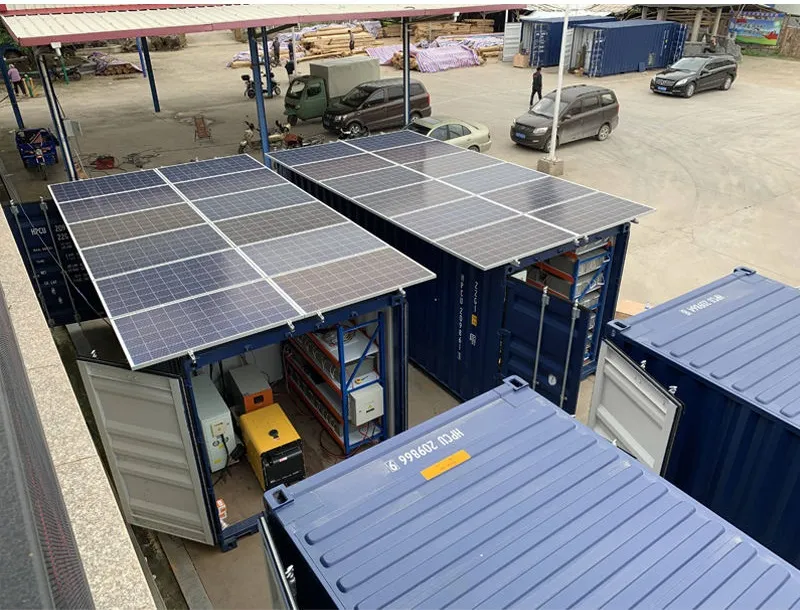
Picture this: a small village in rural Togo where darkness used to fall like a curtain at sunset. Today, solar lamps glow in homes, children study after dusk, and small businesses hum late into the night. This transformation didn't happen by magic – it's the direct result of payment innovations that have cracked the code on energy access. Across Africa, off-grid solar solar panel solutions are changing lives, powered not just by sunlight but by digital wallets and creative financing models.
Let's talk real talk about what's happening on the ground. Traditional energy companies avoided remote villages for decades, dismissing them as "unbanked" and "unprofitable." But a quiet revolution is unfolding, driven by mobile money and adaptable payment schemes that finally make energy access possible for those at the end of the road. From Togo's game-changing subsidies to Kenya's pay-as-you-go dynamos, Africa's energy landscape is being rewritten.
It all started with simple text messages. M-PESA's explosive growth in Kenya showed mobile money wasn't just convenient – it was revolutionary. What many missed was how this digital payments backbone would become the nervous system for Africa's off-grid renaissance.
Here's why mobile money became solar's perfect partner:
"The beauty isn't just payments," says a Nairobi-based solar executive. "It's that every transaction teaches financial literacy. Suddenly people who never touched formal banking have payment histories, creating unexpected pathways to loans and insurance."
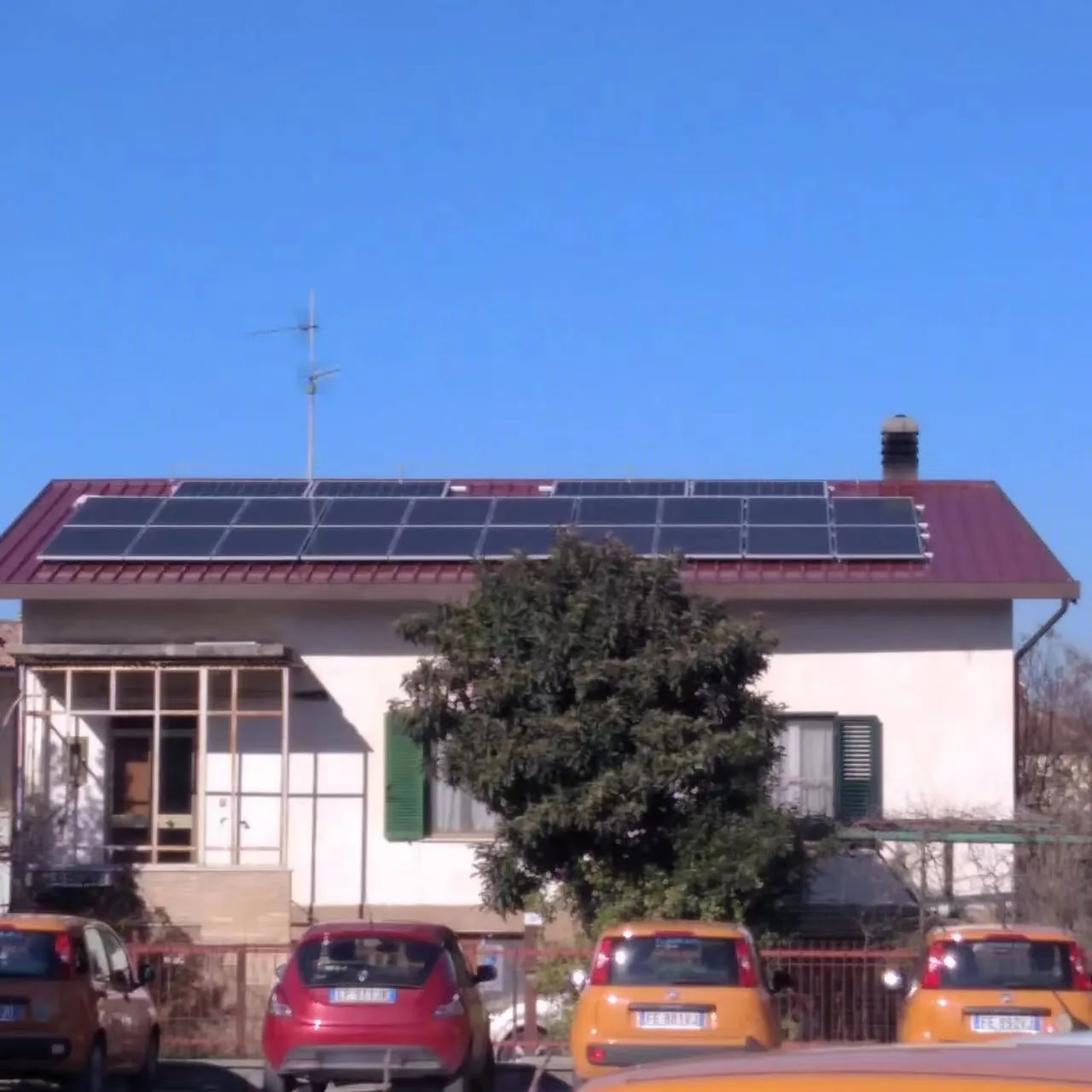
The Backstory: With rural electrification stalled at 22%, Togo faced an impossible choice: extend expensive national grids or accept perpetual darkness. They chose door #3 – a digital-first approach that's now powering half a million homes.
The government's "CIZO Cheque" program sounds simple: customers get $4 monthly subsidies toward solar payments. But the brilliance is how it's delivered:
"End-user subsidies aren't charity – they're investments that build tax bases and create jobs," explains Ajadi Bakari Shegun, Togo's Presidential advisor. "When a farmer switches from kerosene to solar, she saves money, we reduce emissions, and her productivity jumps. Everybody wins."
CIZO's ripple effects are fascinating. Solar payment data helped Togo launch Novissi – an emergency digital cash transfer program during COVID lockdowns. That data also guides water pump deployments and informs agricultural subsidies. What began as an energy fix became a development dashboard.
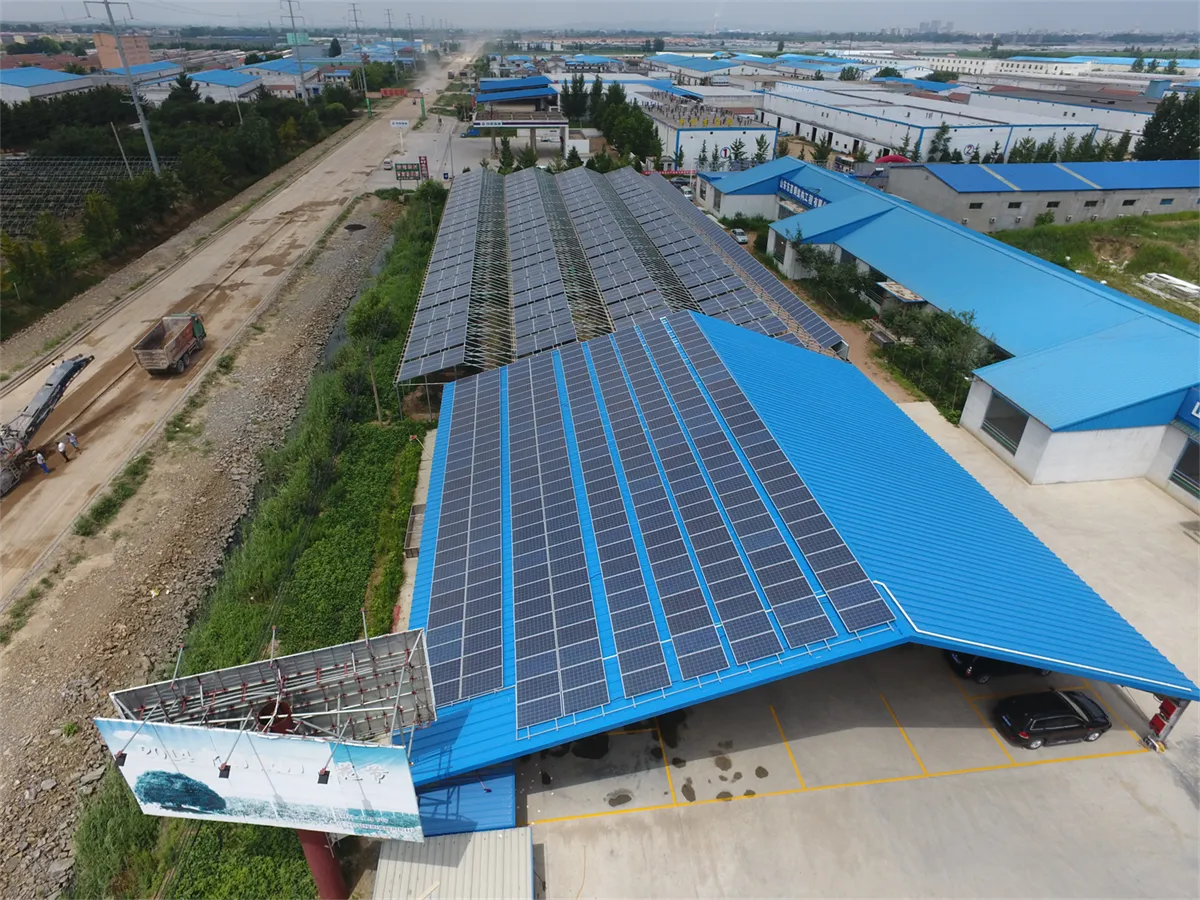
Imagine selling solar to customers eager to pay... who literally can't because there's no agent within walking distance to top up their mobile wallets. This "last mile of payments" challenge nearly derailed the off-grid revolution in regions like Eastern Congo.
CGAP researchers discovered a startling paradox: solar companies were spending up to 30% of revenues creating payment access – training users on mobile money, helping find agents, even running cash collection routes. In West Africa, this burden hit 50%.
Then came the "master agent" lightbulb moment: What if solar companies also became mobile money agents? Instead of fighting payment friction, they could build payment rails where none existed.
Real impact: Solar providers already touch remote villages daily. By handling cash-to-digital conversions, they:
"In Tanzania, we now serve more non-energy transactions than energy ones," shares a Zola Electric manager. "The woman paying her solar bill today will send school fees tomorrow and collect insurance next week. We've become her financial hub."
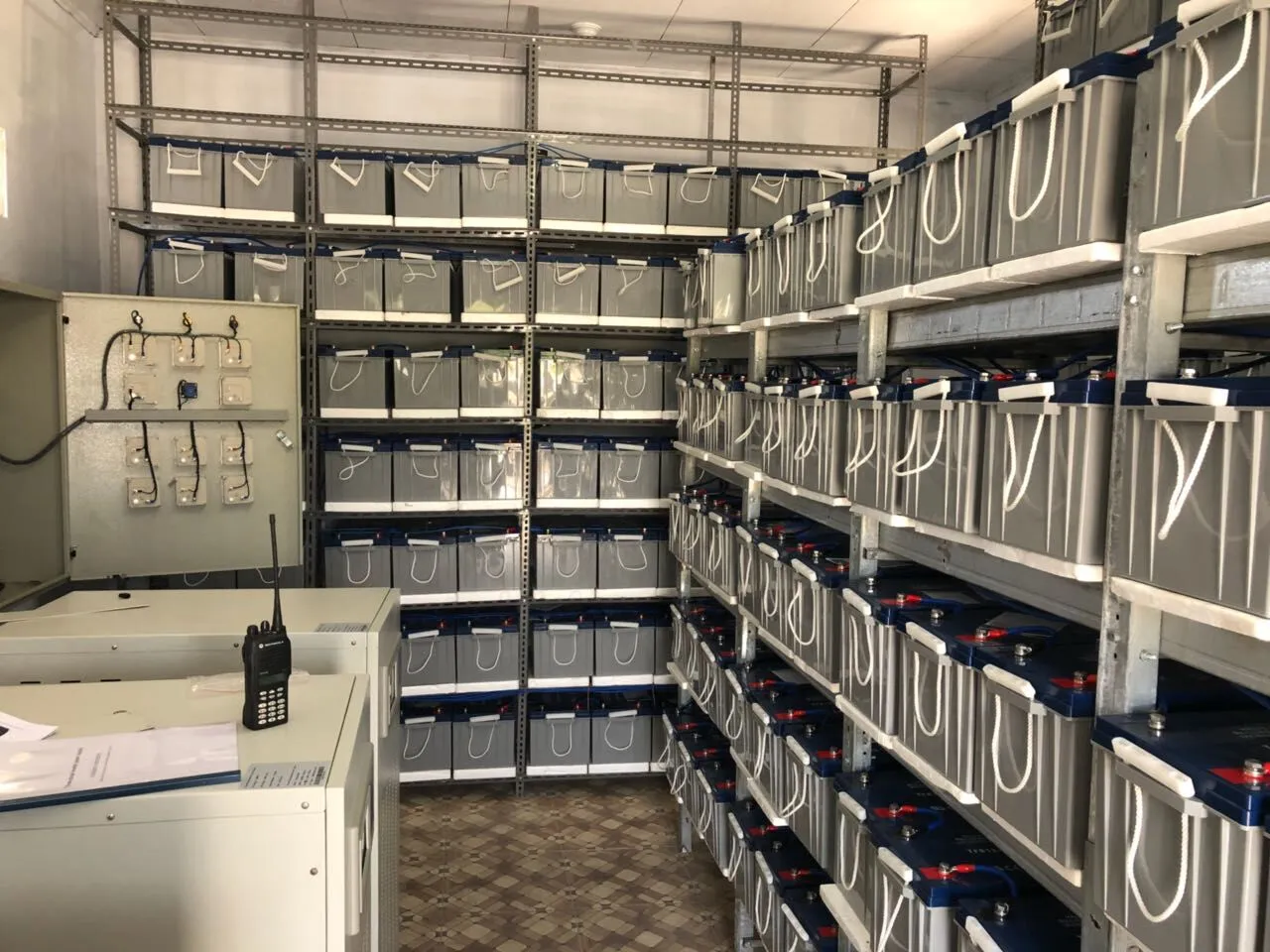
Payment systems are quietly building Africa's most valuable development database. Consider how:
| Data Type | How It's Used |
|---|---|
| Energy consumption patterns | Predicting future appliance demand |
| Payment consistency | Credit scoring for microloans |
| Geographic usage | Optimizing mini-grid placement |
| Failure rates | Improving hardware durability |
Togo's Digital Economy Minister Cina Lawson puts it simply: "We see payment trails illuminating paths to other essential services. Every kilowatt-hour paid paves the way for clean water, healthcare access, and digital education."
DRC's struggle tells the cautionary tale. Despite having Africa's largest energy-access gap, progress sputtered because subsidy programs focused solely on hardware, ignoring payment infrastructure and affordability.
The magic formula combines three elements:
Nigeria's Solar Home System program embraced this trifecta. By pairing VAT exemptions with targeted subsidies and mobile operator partnerships, they accelerated deployments by 47% in disadvantaged states.
But political will remains critical. Togo succeeded because solar sat on the President's desk, not buried in energy bureaucracy. Rwanda and Kenya now replicate this by making off-grid solar a presidential priority with dedicated task forces.
What started as solar lantern payments is evolving into a financial revolution. Consider Uganda's SolarNow – customers who pay solar bills consistently unlock access to financing for smartphones, TVs, even refrigerators. The pay-as-you-go model is becoming the pay-as-you-grow ecosystem.
New innovations wait in the wings:
The story's still unfolding, but one truth shines through: solving payments didn't just enable solar access – it created new financial universes for millions. When a farmer pays her solar bill by phone, she's not just buying watts. She's plugging into modernity.
As we sit scrolling brightly-lit smartphones in cities, it's easy to forget the quiet revolution happening beyond the grid. In villages from Togo to Tanzania, payment innovations are doing more than keeping lights on. They're proving something revolutionary: where people can pay conveniently, energy flows. And where energy flows, futures brighten.
Recommend Products












