
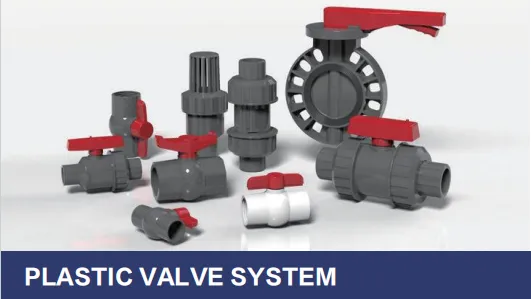
When we talk about the backbone of modern infrastructure—whether it's the pipes that carry water in our homes, the systems that keep hospitals sterile, or the networks that power commercial buildings—one component often flies under the radar: plastic valves. These small but mighty devices regulate flow, prevent leaks, and ensure safety across countless applications. But as we edge closer to 2030, the world of plastic valve system solutions is on the cusp of a transformation. Driven by sustainability demands, technological innovation, and shifting global needs, the next decade promises to redefine what these systems can do. Let's dive into how plastic valve systems will evolve, and why it matters for everyone from homeowners to large-scale contractors.
First, let's ground ourselves in the present. Plastic valve systems have come a long way since their early days. Today, they're the go-to choice for industries ranging from residential plumbing to healthcare, thanks to their durability, corrosion resistance, and cost-effectiveness. Walk into any home, and you'll likely find plastic valves paired with PVC DWV pipes (drain-waste-vent systems) or PPR pipes, quietly managing water flow in kitchens and bathrooms. In hospitals, they're critical for maintaining sterile water supplies, often working alongside Class A fireproof materials to meet strict safety standards. Even commercial buildings, from shopping malls to office towers, rely on plastic valve systems to keep HVAC, plumbing, and irrigation networks running smoothly.
But if we're honest, the current landscape has its limitations. Many plastic valves still rely on traditional materials like standard PVC or PP, which, while functional, aren't always optimized for sustainability or long-term performance. Smart technology integration is minimal—most valves operate manually or with basic automation. And customization? It's often limited to standard sizes, leaving niche industries (think specialized manufacturing or high-tech agriculture) with one-size-fits-all solutions that don't quite fit.
That said, the industry is already showing signs of change. Leading plastic valve system solutions providers are investing in R&D, and suppliers across the pipeline—from PVC DWV pipe suppliers to PPR pipe and fitting suppliers—are collaborating to create more integrated, efficient systems. The question isn't if change will happen, but how fast and in what direction . Let's break down the key drivers shaping this evolution.
To understand where plastic valve systems are headed, we need to look at the forces pushing the industry forward. Three factors stand out: sustainability, technological advancement, and evolving regulations. Let's unpack each.
There's no escaping it: the world is moving toward greener practices, and the construction and plumbing industries are no exception. Governments, businesses, and consumers alike are demanding products with lower carbon footprints, reduced waste, and longer lifespans. For plastic valve systems, this means rethinking everything from raw materials to end-of-life disposal.
Take, for example, the push for recycled content. Today, many plastic valves are made from virgin plastics, which require significant fossil fuel resources to produce. By 2030, we'll likely see a shift toward high-quality recycled plastics, or even bio-based polymers derived from plant materials. Imagine a valve that starts as cornstarch or sugarcane—fully biodegradable at the end of its life but just as strong as traditional options. Suppliers are already testing these materials, and early results are promising. A recent study by the Plastics Industry Association found that bio-based plastic valves can match the durability of virgin plastic ones while cutting carbon emissions by up to 30% during production.
Sustainability also means designing for circularity. Right now, when a valve fails or a building is renovated, old valves often end up in landfills. By 2030, modular designs could make it easier to repair or upgrade valves instead of replacing them entirely. Think of it like a smartphone: instead of buying a new phone when the battery dies, you replace the battery. Similarly, future plastic valves might have replaceable cores or seals, extending their lifespan from 10-15 years to 25-30 years. This not only reduces waste but also saves homeowners and businesses money in the long run.
We live in an era of smart homes, smart cities, and smart infrastructure—so why should plastic valves be left behind? The Internet of Things (IoT) is making its way into plumbing systems, and by 2030, "dumb" valves will likely be a thing of the past.
Picture this: A commercial building in Riyadh, where the property manager receives a notification on their phone: "Valve #7 on the 5th floor is showing signs of wear—predictive maintenance recommended within 7 days." This isn't science fiction; it's the future of smart plastic valves. By embedding sensors into valve bodies, manufacturers can monitor pressure, temperature, and flow in real time. Data is sent to a cloud platform, where AI algorithms analyze it to predict failures before they happen. For building owners, this means fewer emergency repairs, lower water waste, and more efficient operations.
Residential applications will follow suit. Imagine a homeowner in a suburban neighborhood whose smart valve detects a slow leak in the bathroom. Instead of waiting for water damage to show up on the ceiling, the valve automatically shuts off the flow and alerts the homeowner via an app. No more midnight calls to plumbers or costly repairs—just peace of mind. As PEX pipe and fitting suppliers already know, integrating smart technology with plumbing systems is becoming a key selling point, and plastic valves will soon follow this trend.
Regulations are getting stricter, and that's a good thing for safety and quality. Governments around the world are updating building codes to address issues like fire safety, water conservation, and chemical resistance. For example, in the European union, the Construction Products Regulation (CPR) already sets strict standards for plumbing components. By 2030, we can expect similar regulations to spread globally, pushing plastic valve system solutions to meet higher benchmarks.
One area to watch is fire safety. In hospitals and schools, where fire risks are high, Class A fireproof materials are non-negotiable. While plastic valves have traditionally been criticized for their flammability, new formulations are changing that. Suppliers are developing valves with fire-retardant additives that meet Class A standards, making them suitable for sensitive environments. As regulations around fire safety tighten, these innovations will become mainstream, ensuring plastic valves can be used in even the most critical applications.
With these driving forces in mind, let's explore the specific trends we can expect to see in plastic valve system solutions over the next decade. From material innovation to customization, these trends will redefine what plastic valves can do.
The most visible change will be in the materials used to make plastic valves. As mentioned earlier, sustainability is driving the shift toward bio-based and recycled plastics, but performance is also a priority. By 2030, we'll see valves made from advanced polymers that are stronger, more flexible, and more resistant to chemicals and extreme temperatures than ever before.
One promising material is PEEK (polyether ether ketone), a high-performance plastic that can withstand temperatures up to 250°C and is resistant to most chemicals. While currently expensive, advancements in manufacturing could make PEEK valves accessible for industrial applications by 2030. For residential use, we might see a rise in reinforced plastics—think fiberglass-reinforced PVC or carbon fiber-reinforced PP—offering the best of both worlds: lightweight design and exceptional strength.
PVC DWV pipe suppliers, who specialize in drain, waste, and vent systems, are already familiar with the need for durable, corrosion-resistant materials. As plastic valve systems evolve, we'll see closer collaboration between valve manufacturers and pipe suppliers to ensure materials are compatible, creating seamless, long-lasting plumbing networks.
We touched on smart technology earlier, but it's worth diving deeper. By 2030, plastic valves won't just be passive components—they'll be active participants in smart building systems. Here's how:
The key here is interoperability. Smart valves will need to work seamlessly with other smart devices, from water meters to HVAC systems. This means adopting common communication protocols, like Bluetooth or Wi-Fi, and open-source platforms that allow different brands to integrate. As a plastic valve system solutions provider, staying ahead of these standards will be crucial for success.
One size doesn't fit all, and the plastic valve industry is finally catching on. By 2030, we'll see a move away from generic valves toward specialized solutions tailored to specific industries. Let's take a look at a few examples:
Residential: Homeowners want valves that are easy to install, quiet, and aesthetically pleasing (no more bulky, ugly valves under the sink). Suppliers will offer compact designs in a range of colors, with quick-connect features that make DIY installation possible.
Hospitals and Healthcare: In medical facilities, valves must be sterile, corrosion-resistant, and easy to clean. Look for smooth, crevice-free designs that prevent bacterial growth, paired with Class A fireproof materials for safety.
Industrial: Factories and manufacturing plants need valves that can handle high pressures, extreme temperatures, and corrosive chemicals. Custom materials like PEEK or reinforced plastics will be the norm here, along with heavy-duty construction.
Agriculture: Farmers require valves that can withstand exposure to pesticides and fertilizers, as well as outdoor weather conditions. UV-resistant plastics and durable seals will be key features.
PPR pipe and fitting suppliers have already embraced customization, offering different sizes and configurations for residential and commercial projects. Plastic valve manufacturers will follow suit, using 3D printing to create small-batch, custom valves quickly and cost-effectively. This shift toward customization will not only meet niche needs but also allow suppliers to differentiate themselves in a crowded market.
Sustainability isn't just about the product—it's about how it's made. By 2030, plastic valve system suppliers will adopt greener manufacturing processes to reduce energy use, waste, and emissions.
One trend is the use of energy-efficient machinery, like electric injection molding machines that replace traditional hydraulic ones. These machines use up to 50% less energy and produce fewer emissions. Another trend is closed-loop manufacturing, where waste from production is recycled back into the manufacturing process. For example, scrap plastic from valve production can be ground up, melted down, and used to make new valves, reducing reliance on virgin materials.
Suppliers will also focus on reducing water usage in production and implementing renewable energy sources, like solar panels, to power factories. Some forward-thinking companies are already carbon-neutral, and by 2030, this will become the industry standard rather than the exception.
To visualize how plastic valve systems will evolve, let's compare their current features with what we can expect by 2030. The table below highlights key differences:
| Feature | Current (2025) | Predicted (2030) |
|---|---|---|
| Materials | Primarily virgin plastics (PVC, PP, PE) | Bio-based polymers, recycled plastics, advanced composites (e.g., PEEK) |
| Smart Technology | Basic manual or electric valves; limited sensors | IoT-enabled with sensors, AI predictive maintenance, remote control |
| Customization | Standard sizes and designs; limited niche options | 3D-printed, industry-specific designs (residential, healthcare, industrial) |
| Sustainability | Low recycled content; linear manufacturing (use → dispose) | High recycled/bio-based content; circular manufacturing (repair, reuse, recycle) |
| Performance | Good for standard applications; limited temperature/chemical resistance | High-temperature/chemical resistance; Class A fireproof options; longer lifespan (25-30 years) |
Of course, no evolution comes without challenges. As plastic valve system solutions move toward this future, suppliers will face hurdles that could slow progress. Let's address the most pressing ones.
Developing new materials, integrating smart technology, and adopting green manufacturing practices requires significant investment in R&D and equipment. For small and medium-sized suppliers, this can be a barrier. However, the long-term benefits—including increased market share and customer loyalty—will likely outweigh the costs. Governments and industry associations can help by offering grants or tax incentives for sustainable innovation.
While stricter regulations drive innovation, they can also create confusion, especially for suppliers operating in multiple countries. Keeping up with varying standards across regions (e.g., EU vs. Middle East vs. North America) will require agile compliance teams and partnerships with local experts. Industry bodies can play a role by advocating for harmonized global standards, reducing red tape for suppliers.
Even the best innovations will fail if customers aren't willing to adopt them. Homeowners and contractors may be hesitant to pay a premium for smart or sustainable valves, especially if they're used to cheaper, traditional options. Education will be key—suppliers need to communicate the long-term savings (e.g., lower water bills, fewer repairs) and environmental benefits of these new solutions. Case studies and pilot projects in high-visibility buildings (like LEED-certified offices or eco-friendly hospitals) can also help build trust.
So, putting it all together, what will plastic valve system solutions look like in 2030? Here's a snapshot:
Imagine a world where your home's plumbing system is fully integrated with your smart home hub. You wake up, and your app tells you that your shower valve has adjusted the water pressure to save energy, while your kitchen valve has detected a small leak and shut itself off—all before you've even had coffee. Meanwhile, in a hospital across town, plastic valves made from bio-based materials are ensuring sterile water flows to operating rooms, their fire-retardant design providing peace of mind in case of emergencies.
For suppliers, this future will mean closer collaboration across the value chain. Plastic valve system suppliers will partner with PPR pipe and fitting suppliers to create integrated, smart plumbing kits. PVC DWV pipe suppliers will work with valve manufacturers to develop compatible, sustainable drainage systems. And all will invest in green manufacturing, using solar power and recycled materials to reduce their carbon footprints.
Emerging markets, like Saudi Arabia and other Middle Eastern countries, will be hotspots for growth. As urbanization accelerates and infrastructure projects boom, demand for high-quality, sustainable plastic valves will soar. Suppliers that can offer localized solutions—whether it's adapting to extreme temperatures or meeting regional regulations—will thrive.
Perhaps most importantly, plastic valve systems will no longer be seen as just "parts" of a building—they'll be recognized as critical components of sustainable, efficient, and smart infrastructure. They'll play a key role in addressing global challenges like water scarcity and climate change, proving that even the smallest components can make a big difference.
The evolution of plastic valve system solutions by 2030 is not just about better products—it's about building a more sustainable, connected, and resilient world. From bio-based materials to IoT integration, from customization to green manufacturing, the trends we've explored are set to transform an industry that's often overlooked but vitally important.
For suppliers, the message is clear: adapt or risk being left behind. Those who invest in innovation, prioritize sustainability, and listen to the needs of their customers will lead the way. For consumers and businesses, the future holds safer, more efficient, and more eco-friendly plumbing systems that work smarter, last longer, and contribute to a greener planet.
As we look ahead to 2030, one thing is certain: plastic valve systems are no longer just about controlling flow—they're about shaping the future of infrastructure. And that future is bright.
Recommend Products












