
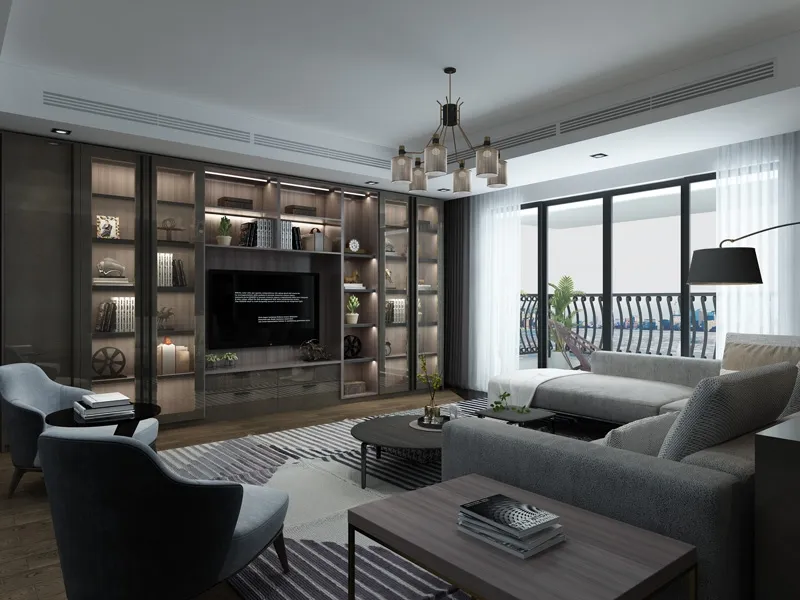
Think steel beams, reclaimed wood, and bolt heads gleaming like jewelry. Industrial style borrows from warehouses and factories, transforming functional brutality into domestic poetry. These pieces celebrate their own construction—no hidden joints or smoothed edges. The magic lives in the mechanics.
When materials show their age through distressed patinas or intentional weathering, they whisper stories. A dent becomes character rather than damage. This is furniture that welcomes life's knocks instead of hiding from them.
Cold-rolled steel isn't polite. It stares back at you with steely confidence. Iron pipes refuse to be ignored. These cabinets feature metals that demand attention through texture and tone—from brushed nickel's subtle gleam to iron's defiant rawness.
Unlike lacquered finishes, oxidized metal develops personality over time. That rust spot? It's not decay; it's evolving artistry. These pieces live and breathe with your home, changing as you do.
Distressing in industrial design isn't carelessness—it's meticulous imperfection. Artisans might:
This controlled damage creates visual friction against sleek modern TVs, making technology feel warmer and more human.
Industrial style's true power emerges when it becomes custom furniture . Modular systems let you build around existing architecture—wall units that incorporate piping or floating shelves mounted with industrial brackets. The ability to incorporate wall panels or specific textures creates cohesive design narratives.
The key? Flexibility. These pieces often feature adjustable shelving and configurable storage, recognizing that entertainment systems change faster than design tastes.
Why does this speak to us? Because in a world of intangible streams and cloud storage, industrial furniture grounds us. Its physicality connects us to materials and processes we've largely outsourced.
These cabinets aren't just furniture; they're anchors of authenticity in digitally dominated spaces. They remind us that beauty lives in the rough edges and practical solutions—the rivet as well as the router.
The industrial TV cabinet thrives on contrasts: Heavy metals beneath slim screens. Rough textures against glowing glass. Vintage hardware housing cutting-edge electronics. This tension creates dynamic energy in living spaces.
Unlike high-gloss media consoles that show every fingerprint, these pieces wear their history proudly. Scratches add character. Patinas deepen stories. They're not delicate museum pieces—they're rugged companions ready for real life.
Paradoxically, achieving this "unfinished" look requires immense craftsmanship. Welds must be structurally perfect even when appearing crude. Distressing requires artistic judgment—too little looks sterile, too much becomes parody.
True industrial style balances intention and accident. Like jazz music, it thrives within disciplined improvisation—planned chaos that creates deeper harmony.
This isn't another passing design trend. The industrial aesthetic represents deeper values—authenticity, sustainability, and visible integrity. We're drawn to its honesty: Materials show their true nature rather than hiding behind veneers.
In an age of digital perfection, the textured reality of distressed metal and reclaimed wood feels profoundly human. These pieces don't just store your entertainment system—they anchor your space in tangible history while embracing modern life.
Recommend Products












