


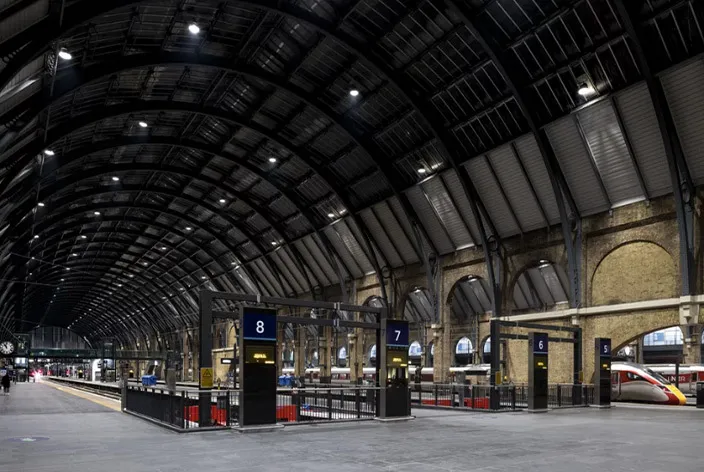
Stepping into a large industrial space - whether it's a massive mining operation, a distribution warehouse, or a manufacturing facility - you can't help but notice the sheer scale. Towering ceilings that seem to touch the sky, heavy machinery humming away, and workers moving with purpose. But there's one crucial element holding this entire operation together that often goes unnoticed until it fails: the lighting overhead.
For decades, industrial spaces relied on traditional lighting solutions like metal halide or fluorescent fixtures. These energy-hungry workhorses threw light across vast spaces but came with significant drawbacks - constant maintenance, eye-fatiguing flicker, and dangerous hot spots. The energy bills alone could keep facility managers awake at night.
The Bright Revolution: LED Technology Takes Center Stage
Over the past decade, we've witnessed a lighting revolution that's transforming industrial spaces from the ground up - quite literally from the ceiling down. LED technology has stepped out of our living rooms and offices and claimed its rightful place in the harshest industrial environments.
What makes high-ceiling LED lighting different? Imagine a lighting solution specifically engineered for places where ceilings start at 20 feet and soar beyond 60 feet. These aren't your grandma's light bulbs - they're sophisticated optical systems designed to punch intense, uniform illumination through massive volumes of space. The magic happens through precision-engineered reflectors and lenses that distribute photons exactly where needed without wasteful scatter.
The transition to industrial LED isn't just about swapping bulbs. It's completely changing how we think about illuminating functional spaces. From dusty mining shafts to moisture-filled processing plants, these rugged fixtures laugh in the face of conditions that would destroy conventional lighting. And they do it while slicing energy bills down to size - sometimes by as much as 70% compared to old systems. When you're lighting massive spaces 24/7, those savings translate quickly into real operational dollars.
Peering Inside: What Makes Mining LED Lighting Special
Mining environments represent the Mount Everest of lighting challenges. We're talking extreme conditions here: corrosive dust that penetrates everything, constant vibration from heavy machinery, explosive atmospheres, and temperatures swinging from freezing cold to oven-like heat. Regular lights simply can't survive in these punishing environments.
Purpose-built mining LED lamps are the Navy SEALs of industrial lighting. Their secret weapons start with military-grade construction - die-cast aluminum housings that act like armored suits protecting sensitive components. But armor alone isn't enough. Engineers pack these fixtures with thermal management systems that would impress NASA engineers. Massive heat sinks pull warmth away from the LEDs, while special coatings ensure dust and chemicals slide right off.
The power supply units in these workhorses deserve special mention. Sealed tighter than a submarine hatch, they regulate power flow against voltage spikes that would fry lesser systems. In mining operations where electrical systems get battered daily, this reliability isn't just convenient - it's life-saving. When your lighting fails half a mile underground, it's not just inconvenient; it's potentially catastrophic.
Beyond durability, the optical design makes these fixtures special. Traditional lights often created dangerous shadow zones or blinding glare spots - neither acceptable when working with heavy equipment. Mining LEDs use precision optics to wash spaces evenly, eliminating hazardous dark corners while avoiding the strobe-like glare that leads to operator fatigue.
Crucial Considerations When Selecting Mining Lamps
Choosing lighting for mining operations requires careful analysis beyond basic price comparisons. The cost of failure in these environments is simply too high. Facility managers should evaluate several critical factors:
Ingress Protection (IP) Ratings - Your First Defense
IP ratings aren't just technical jargon - they're the difference between a fixture that survives years of abuse and one that fails during the first dust storm. For harsh mining environments, look for at minimum IP65-rated fixtures (completely dust-tight and protected against water jets). Even better are IP66/IP67-rated units that can handle complete temporary immersion in water - critical in mining operations where unexpected flooding can occur.
Impact Resistance - Because Accidents Happen
Falling tools, flying debris, accidental bumps from equipment - lighting in mines takes a beating. The IK rating system measures impact resistance on a scale from IK00 (no protection) to IK10 (maximum protection). IK08-rated fixtures can handle impacts equivalent to 1.7 joules (about a 1.7kg weight dropped from 10cm), while IK10 units survive brutal 20-joule impacts. Don't overlook this rating - replacing shattered fixtures suspended 40 feet in the air is expensive and dangerous work.
Thermal Management - The Silent Killer
Heat is the secret assassin of LED lighting. When temperature controls fail, LED lifespan plummets dramatically. Top-tier mining lamps include sophisticated thermal management - think oversized heat sinks, airflow channels, and even phase-change materials that absorb excess heat. Monitoring these systems isn't just about longevity; during development of the ceiling panel systems used in many mining facilities, engineers discovered that proper thermal regulation could double or even triple a fixture's operational life.
Practical Advantages That Matter on the Mine Floor
The technical specifications translate directly to real-world benefits that mining operators feel daily:
Energy Savings That drop Jaws
Mining operations typically run 24/7/365, making lighting a constant energy drain. Switching to LEDs transforms this expense. A medium-sized mine with 500 fixtures might save over $250,000 annually just on electricity - enough to hire several new crew members or upgrade equipment. The savings become even more dramatic when you consider reduced cooling costs - since LEDs run much cooler, they don't force HVAC systems to work overtime.
Maintenance Reduction - Out of Sight, Not Out of Mind
Consider the logistics of replacing a light bulb in a mining operation. Scaffolding or specialized lifts, work permits, crew downtime, safety spotters - it quickly becomes a half-day operation costing thousands in lost productivity. LED fixtures lasting 50,000-100,000 hours mean replacements might only happen once a decade rather than annually. When your lamps hang 60 feet above active mining equipment, this isn't just convenient - it prevents dangerous work-at-height scenarios.
Light Quality That Changes Everything
The improved light quality from LEDs creates cascading benefits throughout operations. Operators report fewer headaches and eye strain during long shifts. Accident rates typically decrease thanks to better visibility of potential hazards. Even operational efficiency improves - maintenance crews spot equipment issues earlier, inventory counting becomes more accurate, and quality control improves. One copper mine reported a 17% reduction in sorting errors after upgrading lighting throughout their processing plant.
Implementing the Transition: A Practical Guide
Transitioning to LED lighting in an active mine requires careful planning. Here's a pragmatic approach:
Phase 1: Assessment & Benchmarking (2-4 weeks)
Begin with a comprehensive lighting audit - mapping existing fixtures, power consumption, and trouble spots. Use specialized meters to measure current light levels and uniformity throughout the facility. This establishes a baseline for ROI calculations and helps identify priority areas.
Phase 2: Controlled Pilot Installation (4-8 weeks)
Don't convert entire facilities at once. Install LED systems in strategic high-impact zones first - maintenance bays, primary access tunnels, or processing control rooms. Monitor these areas for 30-60 days, gathering feedback from workers and tracking energy savings. Use this data to refine your full implementation plan.
Phase 3: Phased Rollout (3-6 months)
Implement upgrades during planned maintenance downturns. Coordinate closely with operations managers to minimize disruption. Consider staggering installation across different zones to manage capital investment while allowing crews to become familiar with the new systems gradually.
Beyond the physical installation, budget for proper recycling of old lamps - particularly important with mercury-containing HID fixtures common in mining. Responsible partners should include certified disposal in their proposals rather than leaving this critical detail to the operator.
Beyond Illumination: The Ripple Effects
The benefits of upgrading to specialized mining LED lighting extend far beyond the lighting itself:
Sustainability Gains
Mining faces increasing environmental scrutiny, and lighting upgrades offer tangible sustainability wins. Beyond massive energy reduction, LED systems eliminate mercury contamination from traditional HID lamps. Their long lifespan dramatically reduces landfill contributions - a typical mine reducing fixture replacements from 500/year to 50/year significantly shrinks their operational waste stream.
Data Integration Potential
Modern LED fixtures incorporate sensors that gather valuable data previously inaccessible. New systems can monitor occupancy patterns, creating heat maps showing worker flow through facilities. Environmental sensors track temperature, humidity, and air quality. Some sophisticated operations even use lighting systems to transmit operational data through light waves (Li-Fi technology) where radio signals face restrictions.
Smart Control Integration
LED systems become platforms for intelligent control. Imagine tunnels where lighting dynamically activates only when workers approach, guided by motion sensors. Processing areas where brightness automatically adjusts based on natural daylight penetration. Emergency lighting systems that automatically intensify during evacuations while guiding workers to exits. These capabilities transform lighting from a utility into an integrated safety and efficiency system.
Looking Ahead: The Future of Mining Illumination
What's next for lighting in mining environments? The future looks bright - and smart. Emerging technologies include self-healing drivers that automatically adjust voltage during fluctuations, maintaining consistent illumination through generator switchovers. Some prototypes incorporate micro-turbines that generate power from airflow in ventilation shafts. Companies are testing biodegradable housings for lamps located in sensitive areas.
Perhaps most promising are renewable-integrated systems. Solar-powered LED networks already illuminate remote sites completely off-grid, eliminating power infrastructure challenges. At a recent test facility, solar-powered lamps continued operating for eight days without sunlight - a game-changer for mines in cloudy regions. Mining operations positioned near strong wind currents are experimenting with turbine-attached lighting systems.
The move toward high-efficiency, durable LED lighting represents more than an equipment upgrade - it's a fundamental rethinking of how we illuminate challenging industrial environments. For mining operators, it means safer, more productive, and more sustainable operations. The shift isn't just logical; when you consider the energy savings, improved safety, and reduced maintenance, it becomes impossible to justify sticking with outdated lighting technology. The light at the end of the tunnel isn't an oncoming train - it's the steady, reliable glow of LED technology illuminating a brighter future for industrial operations everywhere.










