

Every construction project starts with a vision—whether it's a cozy family home, a bustling commercial complex, or a landmark public building. But turning that vision into reality hinges on one critical decision: choosing the right materials. When it comes to walls, the stakes are even higher. They're not just structural; they're the "face" of the building, shaping its character, durability, and how it interacts with the environment. In recent years, one material has been turning heads in the architectural world for its ability to blend beauty, resilience, and versatility: MCM flexible cladding stone wall panels. If you're an architect, builder, or homeowner looking to elevate your next project, let's dive into why these panels deserve a spot in your construction plan—and how to make the most of them.
Gone are the days when walls were just "bricks and mortar." Today's construction demands materials that do more—they need to resist harsh weather, reduce energy costs, fit complex designs, and still look stunning decades down the line. Traditional stone cladding, for example, offers timeless beauty but can be heavy, expensive, and rigid, limiting design flexibility. Wood panels bring warmth but struggle with moisture and pests. Even newer options like vinyl or fiber cement often compromise on either aesthetics or durability.
This is where MCM flexible cladding stone wall panels step in. Short for "Mineral Composite Material," MCM panels are a game-changer in the world of architectural façade solutions . They're engineered to mimic the look and feel of natural stone—think granite, marble, or travertine—without the drawbacks of traditional materials. What truly sets them apart, though, is their flexibility. Unlike rigid stone or concrete panels, MCM cladding can bend and curve, adapting to the unique contours of your project. This isn't just a technical detail; it's a creative freedom that architects and designers have been craving.
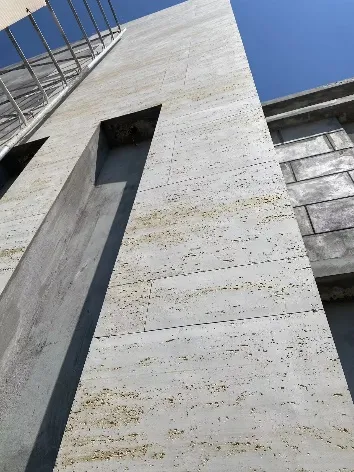
Let's break it down simply: MCM panels are made by combining natural minerals (like stone powder or ceramic) with a polymer binder, then compressing and curing the mixture under high pressure. The result? A thin, lightweight panel that's surprisingly strong. Most MCM panels are just 3-5mm thick, yet they're resistant to impact, weather, and even fire. But the real magic is in their flexibility—they can be bent to radii as small as 30 centimeters, making them ideal for curved walls, rounded corners, or custom architectural features that would be impossible with rigid materials.
Think of it this way: if traditional stone cladding is like a stiff canvas, MCM panels are like a high-quality, durable fabric. They let you "dress" your building in textures and colors that feel natural, but with the adaptability to fit any design vision. And because they're lightweight (typically 4-6 kg per square meter, compared to 20-30 kg for natural stone), they reduce the structural load on buildings, cutting down on foundation costs and installation time.
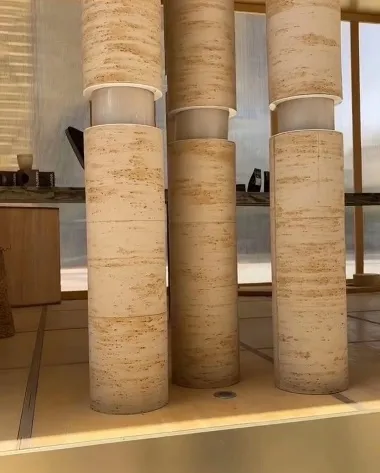
It's easy to get excited about a new material, but let's ground this in practicality. Here's why MCM flexible cladding stone wall panels are becoming a go-to choice for both residential building materials supplier and commercial building materials supplier partners:
MCM panels are built to last. Their mineral composite core resists fading from UV rays, so that rich "stone" color you love won't turn dull after a few years. They're also water-resistant, making them perfect for rainy climates or coastal areas where saltwater can corrode other materials. Unlike wood, they don't rot or warp. Unlike natural stone, they won't crack or chip easily under impact. Many manufacturers back their panels with 15-20 year warranties—a testament to their longevity.
Whether you're designing a sleek modern high-rise with curved facades or a rustic villa with stone-accented walls, MCM panels adapt. Their flexibility means you can create flowing, organic shapes that would require expensive custom stone cutting (or be impossible) with traditional materials. Plus, they come in a wide range of finishes—from rough-hewn "mountain stone" textures to smooth, polished "marble" looks. Want to match a specific natural stone? Many suppliers offer custom color matching, so your project's aesthetic stays consistent.
Heavy materials like natural stone require reinforced structures and specialized labor, driving up costs. MCM panels, by contrast, are lightweight enough to be handled by a small crew with basic tools. They can be cut on-site with standard saws, and installed using adhesives or mechanical fasteners—no need for heavy cranes or complex anchoring systems. This speeds up installation time by 30-50% compared to traditional cladding, getting your project finished faster and reducing labor expenses.
Sustainability is no longer a "nice-to-have"—it's a priority. MCM panels are often made with recycled minerals and low-VOC binders, reducing their environmental footprint. They're also energy-efficient: their thin profile doesn't add bulk, but their density helps insulate the building, lowering heating and cooling costs. And while the upfront cost of MCM panels is competitive with high-end stone cladding, their lightweight nature and easy installation mean lower overall project costs. Over time, their low maintenance needs (no sealing, minimal cleaning) add even more savings.
In commercial projects like hospitals, schools, or high-rises, fire safety is non-negotiable. Many MCM panels are rated Class A for fire resistance, meaning they won't contribute to flame spread—a critical feature for meeting building codes. They also hold up in extreme weather: from freezing winters to scorching summers, MCM cladding resists thermal expansion and contraction, preventing cracks or delamination. In hurricane-prone areas, their lightweight design reduces the risk of wind damage compared to heavier materials.
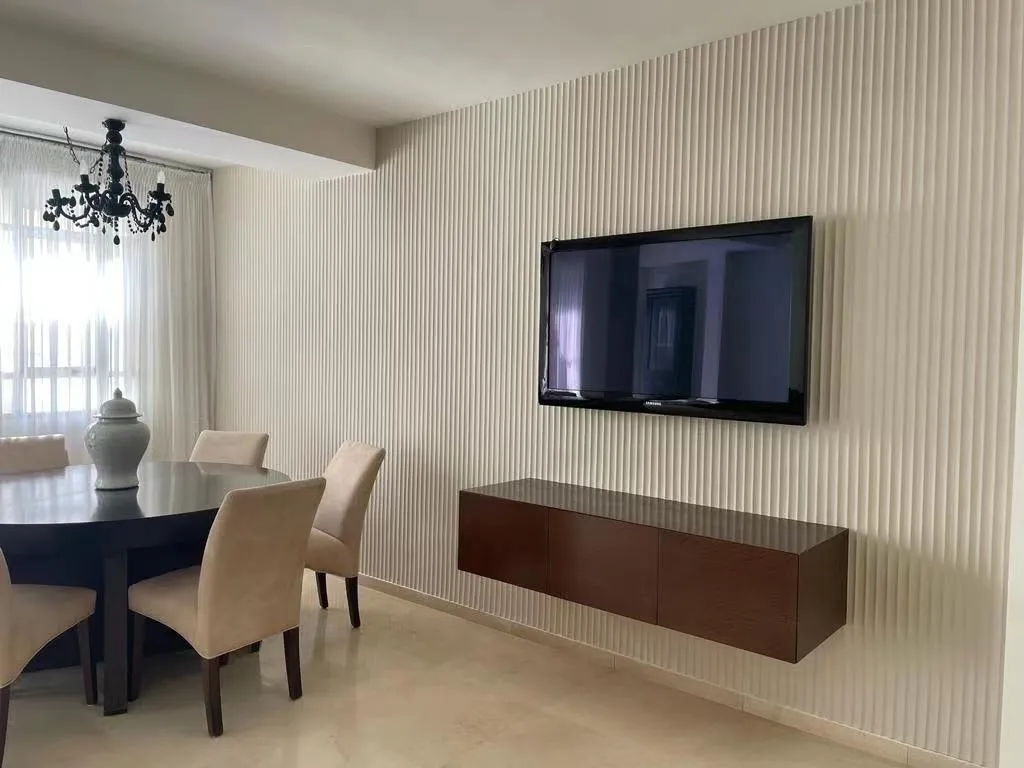
MCM flexible cladding stone wall panels aren't a "one-trick pony." They work across project types, adding value whether you're building a single-family home or a sprawling commercial complex. Let's look at some real-world applications:
Imagine a suburban home with a stone-accented exterior. Traditional stone would require a reinforced foundation and careful installation to avoid moisture issues. With MCM panels, the homeowner gets the same warm, natural look but with a lighter load on the structure, faster installation, and a finish that resists mold in humid basements. Interior accent walls are another sweet spot—MCM panels can create a focal point in a living room or bedroom, mimicking the look of stacked stone without the weight or cost of real stone. For coastal homes, they're a lifesaver: their saltwater resistance ensures the exterior stays intact, even with constant exposure to sea spray.
In commercial construction, first impressions matter. MCM panels help businesses and public spaces stand out. A hotel with a curved, stone-like facade wrapped in MCM cladding immediately feels luxurious and modern. A shopping mall using MCM panels in earthy tones can create a warm, inviting atmosphere that draws customers in. Even industrial buildings benefit—MCM cladding can transform a plain warehouse into a visually striking space, boosting property value. And because they're low maintenance, commercial owners save on long-term upkeep, freeing up budget for other upgrades.
Schools, train stations, and community centers need materials that can handle heavy use. MCM panels are scratch-resistant and easy to clean, making them perfect for walls in high-traffic areas. Their fire resistance also makes them a safe choice for public buildings, where safety codes are strict. Imagine a school auditorium with MCM panel walls—they'd withstand scuffs from chairs, resist stains from spills, and still look fresh year after year.

To truly appreciate MCM panels, it helps to see how they compare to other popular wall cladding options. Let's break it down in a quick comparison:
| Material | Flexibility | Weight (per sq.m) | Fire Rating | Best For |
|---|---|---|---|---|
| MCM Flexible Cladding | High (bends to 30cm radius) | 4-6 kg | Class A (top rating) | Curved facades, high-rises, coastal areas |
| PU Stone Wall Panels | Medium (slight curves) | 8-10 kg | Class B | Traditional exteriors, low-rise buildings |
| WPC Wall Panels | Low (rigid) | 12-15 kg | Class C | Indoor moisture-prone areas (e.g., bathrooms) |
| Bamboo Charcoal Board | Low (rigid) | 18-20 kg | Class A | Eco-friendly interiors, accent walls |
| Natural Stone | None (rigid) | 20-30 kg | Class A | Heritage buildings, high-end exteriors (budget permitting) |
As you can see, MCM panels excel in flexibility, weight, and fire safety—making them a top choice for projects that demand both design innovation and practical performance.
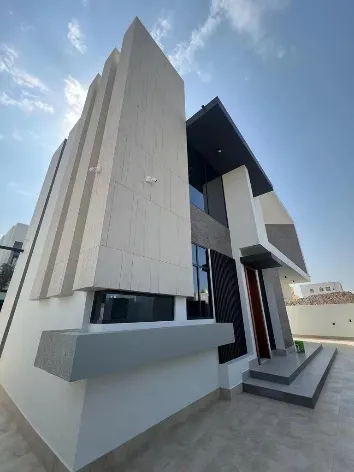
You've decided MCM flexible cladding is right for your project—now what? The next step is finding a reliable MCM flexible cladding stone wall panel supplier . Not all suppliers are created equal, and the wrong choice can lead to delays, quality issues, or missed design opportunities. Here's what to look for:
A supplier who works with both residential building materials supplier and commercial clients will understand the unique needs of each. Residential projects may prioritize custom colors and affordability, while commercial jobs need bulk ordering, strict timelines, and compliance with industry standards. A supplier with a diverse portfolio can adapt to your project's scale and requirements.
Ask for certifications: ISO 9001 for quality management, CE marking for European standards, or local certifications (like SASO for projects in Saudi Arabia). Reputable suppliers will also provide test reports for fire resistance, weather durability, and impact strength. Don't settle for vague claims—demand proof that their panels live up to the hype.
The best MCM suppliers don't just sell panels—they partner with you to bring your design to life. Look for suppliers who offer custom colors, textures, or panel sizes. Some even provide 3D modeling or sample kits to help you visualize the final result. If you're working on a complex curved facade, ask if they have experience with similar projects and can provide technical guidance.
If your project needs more than just wall panels—say, flooring, ceiling solutions, or other building materials—consider a one-stop architectural solution provider . These suppliers can coordinate delivery of multiple materials, reducing logistical headaches and ensuring consistency across your project. For example, a supplier who offers both MCM cladding and porcelain slab tiles for walls can ensure the colors and textures complement each other seamlessly.
Let's bring this to life with a couple of hypothetical (but realistic) case studies:
A homeowner in Miami wanted a stone exterior for their beachfront villa but was worried about hurricane-force winds and saltwater corrosion. Their residential building materials supplier recommended MCM flexible cladding panels. The panels were custom-colored to match the warm, golden tones of local limestone and installed on the curved walls of the villa's facade. Because they're lightweight, no additional structural reinforcement was needed. Three years later, the panels still look brand-new—no fading, no cracks, and they withstood two major storms without damage. The homeowner saved 25% on installation costs compared to natural stone and now enjoys a low-maintenance exterior that turns heads in the neighborhood.
An architecture firm in Chicago designed a 20-story office tower with a distinctive, undulating facade—a feature that would have been impossible with rigid cladding. They partnered with a commercial building materials supplier specializing in MCM panels. The supplier provided large-format panels (up to 1.2m x 3m) to minimize seams, and worked with the construction team to map out the curved sections. The panels were installed in just 12 weeks—half the time natural stone would have taken. Today, the tower is a city landmark, with a facade that shimmers in the sunlight and changes appearance with the time of day. Tenants praise the building's modern aesthetic, and the developers report higher leasing rates compared to neighboring buildings with traditional exteriors.
Ready to add MCM flexible cladding to your project? Here are a few pro tips to ensure success:
In the world of construction, materials are the bridge between vision and reality. MCM flexible cladding stone wall panels aren't just a "trend"—they're a reflection of how modern architecture is evolving: toward materials that are smarter, more adaptable, and more sustainable. Whether you're building a home, a office, or a public space, these panels offer the rare combination of beauty, durability, and design freedom that's hard to find in traditional options.
The key, as with any material, is to partner with the right supplier—one who understands your project's needs, prioritizes quality, and is committed to your success. By choosing MCM flexible cladding, you're not just building walls; you're creating spaces that inspire, endure, and adapt to the demands of the future. And in construction, that's the ultimate goal.
So, the next time you're drafting your construction plan, ask yourself: What if my walls could do more than just stand there? With MCM panels, they can—and they'll look stunning while doing it.
Recommend Products











