
Your Essential Guide to Ensuring Quality from the First Point of Contact
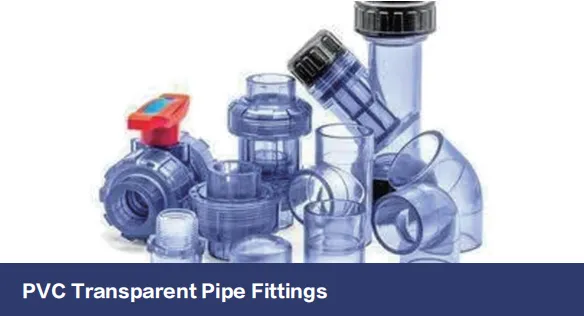
Picture this: a truckload of PVC transparent pipe fittings just arrived at your facility. They look okay at first glance, but how can you be sure? This is where your incoming material inspection becomes your first line of defense. It's that critical moment when you decide whether what just landed at your dock meets your standards or becomes tomorrow's headache.
For PVC transparent pipe fittings, the stakes are high. Compromised quality here could mean leaks in medical fluid systems, contamination in food processing lines, or failures in chemical transfer applications. I've seen companies lose thousands over a single batch of subpar fittings because they skipped thorough inspection. Don't let that be you.
“In our 15 years handling PVC piping systems, we learned this: The true cost of a fitting isn't just its price tag. It's the downtime, replacements, and reputation damage when you skip proper inspection.” - Quality Manager, Fluid Solutions Inc.
Keep a "golden sample" - a perfect fitting from your best batch. Nothing beats a physical benchmark for quick visual comparisons.
Over the years, we've cataloged the usual suspects that slip through inadequate inspections:
The Warping Woes:
PVC fittings should hold shape perfectly. If elbows or tees deform even slightly at room temperature, they'll collapse under pressure. Stacked storage causes this more often than you'd think.
The Fragility Factor:
drop a fitting from waist height onto concrete. If it cracks, imagine what thermal cycling will do. True story: We once had fittings shatter during installation because they passed paperwork checks but failed basic impact tests.
Chemical Compatibility Traps:
"PVC" isn't monolithic. Unidentified plasticizers can cause failures with oils or solvents. Always verify exact composition, especially for industrial applications .
Training Matters:
Rotate inspection staff quarterly. Fresh eyes catch different issues. Include basic polymer chemistry training so they understand why defects matter.
Dynamic Sampling:
First batch? Check 20%. Consistent supplier with good history? 5% might work. Failed last month? 100% inspection time.
Supplier Relationships:
Share inspection results immediately. Photos help. Good suppliers want feedback; bad ones reveal themselves quickly when confronted with evidence.
Your PVC transparent pipe fittings checklist shouldn't be carved in stone. It should be a living document that evolves based on:
• Application Rigor: Fittings for drinking water vs. lab chemicals? Different inspection depth needed.
• Supplier Track Record: New vendor? Double the checks until they prove reliability.
• Failure History: Had thread failures last year? Add micro-measurements to your list.
Use mobile checklist apps. Photos auto-attach to records, geotagging proves actual inspection occurred, and trend analysis spots recurring issues.
That incoming material inspection checklist for PVC transparent pipe fittings? It's not bureaucracy—it's competitive edge. Every fitting rejected at your dock is a disaster prevented on-site, a customer relationship preserved, a brand reputation secured.
Start small: Next delivery, try just two extra inspection points beyond what you usually do. You might catch something that saves your project timeline. As one plant manager told us, "Inspection isn't a cost center; it's the cheapest insurance policy in the building."
Recommend Products












