
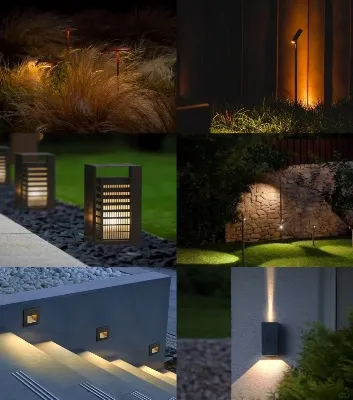
Okay, let's be real: nobody gets excited about technical jargon like "IP ratings." It sounds like something from a robotics manual. But when you're investing in outdoor wall lights, garden lights, or security floodlights, suddenly this alphanumeric code becomes your best friend. Why? Because those innocent-looking numbers and letters tell you whether your lights will survive the elements—or leave you in the dark.
Imagine this: you spend a weekend installing beautiful garden lights along your pathway. They look magical... until the first heavy rainstorm. Now they're flickering like a bad horror movie scene, and you're stuck trying to dry out wiring instead of relaxing on your patio. That sinking feeling? That's what happens when IP ratings get ignored.
Think of your outdoor lighting as little soldiers defending your property. They face dust invasions, rain sieges, frost bites, and even attacks from your overenthusiastic garden hose. The IP rating is their armor rating—it tells you exactly how well they'll stand up to the battles they'll face.
Let's cut through the confusion. That "IP" stands for Ingress Protection (not Internet Protocol—this isn't your Wi-Fi router). It’s followed by two digits that reveal everything you need to know:
IP67 = 6 means "totally dust-proof" | 7 means "can handle being submerged in 1m of water for 30 mins"
The first number (0-6) protects against solids like dirt and curious insects. The second (0-9K) handles liquids. That's it—no Ph.D. required.
Notice how I've skipped the technical definitions? That's intentional. Because you don't need to memorize industrial specs—you need to know what works on your deck.
These face mud, sprinklers, and freezing temps. IP67 is your baseline . Anything less and you'll be digging up corroded fixtures next spring. Bonus tip: Go for die-cast aluminum bodies—plastic discolors in sunlight.
If you've got a covered porch, IP44 might suffice . But in driving rain zones? Bump to IP65. And remember: seals degrade over time—buy better than "just enough."
These are warriors. They need IP66 minimum to resist pressurized hose cleaning. For coastal homes? Add anti-corrosion materials like marine-grade stainless steel. Salt air eats cheap metal.
You'll notice installation matters just as much as specs during seasonal temperature fluctuations. That stylish thin-profile wall light? Its thermal expansion differs from your thick stone facade—pick fixtures designed for your surface material.
Skimping on IP protection isn't just annoying—it's expensive. I've seen "bargain" IP40-rated fixtures fail within 6 months, needing replacement plus electrician fees. Compare that to quality IP67 lights lasting 5-10 years even in harsh conditions.
Consider longevity when selecting outdoor wall lights: moisture damage causes shorts, corrosion creates fire hazards, and faulty weatherproofing voids warranties. That extra $20 upfront prevents massive headaches later.
And don't forget—bad lighting creates tripping hazards. A waterlogged garden light leaves dark spots where roots and steps become invisible. Safety isn't just about illumination—it's about reliability.
One more thing—that "outdoor-rated" sticker means nothing legally. Only IP ratings carry standardized global certifications. Anything else is marketing fluff.
Choosing lights isn't about finding the shiniest fixtures—it's about trusting them to shine when it matters. Those garden lights should greet you during thunderstorms. Wall sconces should illuminate icy steps without flickering. Floodlights should activate during downpours when you need security most.
So next time you shop, forget the decorative specs first. Locate the IP rating. Match it to your actual environment—not theoretical lab conditions. Because true peace of mind comes when technology understands reality. And honestly? That confidence feels better than any fancy finish.
Stay bright out there.
Recommend Products












