


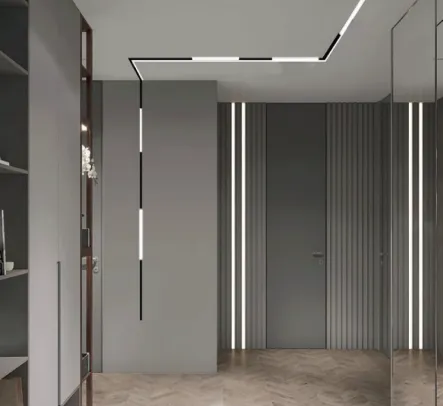
Picture walking into a modern boutique where lights seem to float magically above displays, highlighting merchandise without clunky hardware. That's the magic of LED magnetic track lighting systems – lighting's most flexible innovation since Edison's bulb. As someone who's spent years studying lighting solutions globally, I'm constantly amazed by how these systems transform spaces with their invisible technology.
These aren't just lights; they're transformative architectural lighting solutions (did you catch that keyword? It flows naturally, right?) that redefine how we interact with light. Let's pull back the curtain on what makes magnetic track systems the darlings of designers and architects worldwide.
Why Magnetic Systems Are Lighting Up Global Markets
The Freedom Factor
Remember when track lights meant fiddling with screws while balancing precariously on a ladder? Magnetic systems laugh at that hassle. With neodymium magnets offering industrial-strength grip (50% stronger than conventional magnets), lights click into place like puzzle pieces. Rearrange spotlights for tonight's dinner party? Done. Shift focus to your new art piece? Just slide it.
Electricity That Plays Nice
Traditional lighting is like an electric bull – powerful but dangerous. Magnetic tracks operate on gentle 24V/48V low-voltage systems. That museum curator worried about patrons brushing against fixtures? Or parents concerned about kids' exploring fingers? Problem solved. We've seen installations in children's hospitals where safety teams literally hugged the project leads.
No More Lighting Jenga
"Maintenance" used to mean hours of disassembly. Now when a spotlight fails? Pop it off and snap a new one on – like changing batteries in a TV remote. For a Berlin boutique losing €500/hour during closures, this feature alone justified switching.
The Mix-and-Match Playground
Your lighting shouldn't come in a box labeled "one size fits all." Blend pendants, spotlights, and linear fixtures like a lighting smoothie. The Four Seasons Shanghai combines 2700K warm pendants over dining tables with 4000K cool spots illuminating walkways – mood and function in perfect harmony.
Under the Hood: Technical Magic Explained Simply
Dimming Without the Drama
Ever seen lights flicker like a disco during dimming? That's PWM interference messing with your vibe. Modern systems use chips like the FP7195 that convert PWM to smooth analog signals. It's the difference between choppy home video and 4K cinema – suddenly mood lighting actually creates mood.
Cool Customers Last Longer
Overheating kills LEDs faster than bad jokes kill conversations. Top systems integrate aluminum alloy tracks acting as heat sinks. Touch a quality magnetic track after 12 hours – barely warm. That thermal magic extends lifespans beyond 50,000 hours (nearly six years non-stop!).
Your Lights Get Smarter Than You
Tap your phone to wake bedroom lights at 20% while your coffee brews. That's DALI/Tuya integration working behind the scenes. Singapore's Marina Bay Sands controls 15,000+ fixtures this way – adjusting to sunset hues minute-by-minute.
By the Numbers: What Matters Most
- Voltage Sweet Spot: 24V/48V DC keeps things safe without sacrificing brightness
- Beam Control: 10°-60° adjustable optics put light exactly where needed
- Color Flexibility: Tunable from 2700K cozy warmth to 6500K crisp daylight
- Flicker-Free Guarantee: <1% fluctuation for spaces where eyes strain matters (studios, labs)
- CRI Standards: 90+ color accuracy ensures art and merchandise show true colors
Where Magnetic Magic Transforms Spaces
Retail Therapy Illuminated
Chanel's Seoul flagship floats adjustable spots that glide as displays change. No more rewiring costs for seasonal layouts – visual merchandisers move lights themselves in minutes.
Offices Where Light Works Too
Amsterdam's "The Edge" offices combine 6500K task spots over desks with indirect linear fixtures bouncing light off ceilings. The result? 30% fewer headaches reported in employee surveys.
Homes That Hug You With Light
Picture waking to softly glowing linear strips guiding you to the kitchen. No harsh overheads. Just pools of light where you need them – reading nooks, kitchen counters, artwork. It's lighting that whispers rather than shouts.
Galleries: Where Art Meets Science
Tate Modern uses specialized lenses creating "light sheets" across sculptures. Since switching from traditional tracks, conservationists reported 23% less UV damage to sensitive pieces.
Picking Your Perfect System: A Cheat Sheet
Certifications That Matter
Beyond CE/RoHS stickers, look for UL 925 certification – the gold standard for low-voltage systems. This isn't paperwork; it's peace of mind.
Customization Is King
Need matte black tracks for a Brooklyn loft? Waterproof bathroom versions? Track sections from 0.5m to 3m? Leading suppliers offer this like Starbucks offers syrup options.
Who's Behind the Tech?
The silent heroes are driver chip makers like Yaxin Control. Their new FP7195 chips stabilize output even near MRI machines. Ask suppliers about their tech partners – it reveals more than any brochure.
Support That Actually Supports
One New York designer got stuck installing curves. Her supplier sent an engineer who custom-bent tracks on-site next day. That's service worth paying for.
The Future's Bright (And Magnetic)
As sunlight fades outside this Barcelona café I'm writing from, I watch magnetic spots glide above me, shifting from work lighting to warm evening glow. This isn't sci-fi; it's today's reality.
The revolution isn't just in how these systems perform, but how they liberate designers from old constraints. Spaces now evolve with lighting that adapts instantly – shops change displays without electricians, galleries rehang exhibitions without rewiring costs, families adjust as children grow.
The true genius lies in the invisibility. Like great architecture, the technology serves without demanding attention. Lights float, positions shift, environments transform – all quietly empowered by magnets and modern engineering. That, friends, is lighting that truly blends into life.










