


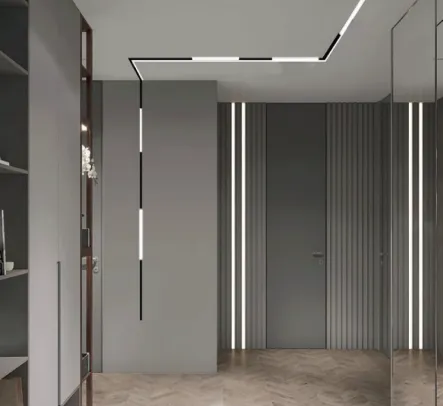
Lighting isn't just about brightening a space anymore—it’s about doing it smartly. Magnetic track light systems, those sleek rows of fixtures you see in modern homes and galleries, are quietly revolutionizing how we illuminate spaces. Think of them as LEGO blocks for lighting: you start with a track, snap in different fixtures whenever you need, and change their positions without rewiring or fuss. It’s this kind of plug-and-play flexibility that transforms how spaces function without tearing down walls.
Energy efficiency? That’s the real game-changer. We’re living in an age where electricity bills aren’t just annoying—they’re alarming. Magnetic track systems marry sleek design with seriously smart energy savings. Instead of bulky fluorescent tubes or energy-hungry halogens, these setups let you choose ultra-efficient LEDs that sip power but blaze with light. That’s what happens when you ditch dated lighting strategies.
Flexibility: Beyond Just Aesthetics
Imagine this: Your living room doubles as a workspace by day and transforms into a cozy lounge by night. With magnetic tracks, you’re not stuck with the same lighting all day. Need task lighting above your desk? Slide a spotlight along the rail. Want softer ambiance? Swap it for a diffused pendant. That’s real-time adaptability without tools or tripping over cables. Architects and designers love this because it allows them to rethink how light shapes a space—no more designing around fixed wiring points.
Commercial spaces thrive on this too. Retail stores refresh displays seasonally, art galleries rotate exhibitions monthly, and co-working spaces morph daily. Fixed lighting becomes obsolete overnight. But magnetic systems evolve on the fly. Fixtures click on and off tracks so easily, they’re practically modular—like toy building blocks that adapt to real-world changes. One user shared: "I moved my kitchen island light three times in a year. Zero holes in the ceiling. Game-changer."
The Power-saving Superstar
Traditional lighting setups often bleed energy. Ever touched a halogen bulb after it’s been on? That heat isn’t just annoying—it’s wasted electricity. Magnetic track lights sidestep this inefficiency by leveraging LEDs that stay cool and save up to 80% more energy. This creates a ripple effect: reduced energy consumption means smaller carbon footprints and dramatically lower bills.
Here’s the science bit: Combined heat and power systems maximize energy use by converting excess heat into usable power. That kind of thinking is what drives top-tier magnetic lighting. Each fixture works only where needed, dims intelligently via apps, and minimizes waste. Your old incandescent setup? It’s basically pouring electricity down the drain.
Energy efficient isn’t just a buzzword here—it’s measurable. Studies show offices retrofitted with smart track lighting cut energy use by 68% annually. That’s real money saved without compromising on atmosphere.
The Brain Behind The Light
Power electronics are the unsung heroes—they make LEDs sing. Unlike older fluorescent tubes that flicker and hum, advanced drivers ensure consistent, smooth light output that feels natural and pleasant. Tech integration lets you schedule settings so lights fade gently at bedtime or brighten sharply at 7 AM. Pair it with sensors, and empty rooms go dark, cutting waste while you’re out.
The valve-point effect? Think of it like a faucet: you adjust the flow just enough without overflow. Precision controls reduce power surges and heat buildup, which prolongs fixture lifespan. That’s the core tech empowering magnetic systems to operate reliably for decades—it's the engineering soul beneath the style.
Goodbye, Carbon Footprint
Lighting doesn’t have to cost the Earth. Magnetic tracks thrive in green architecture schemes precisely because they consume less and last longer. They align with LEED certifications and eco-building standards, helping developers earn sustainability credits while users enjoy spaces that breathe better.
Carbon calculus becomes critical now. Cities are tightening rules on commercial energy consumption—think energy-star ratings for lighting plans. Track systems answer the call efficiently. Reduced energy use shrinks dependence on coal plants, and recyclable components minimize landfill harm when fixtures finally retire.
Where This is Heading
The intersection of IoT and lighting will redefine convenience. Future tracks won’t just sense motion—they’ll track daylight to balance interior brightness autonomously. Solar-responsive algorithms linked to PV panels could slash grid dependency further.
Gallium nitride tech, replacing silicon chips, will shrink hardware while boosting efficiency. And sustainability? It’s woven into the design DNA. Expect self-powering tracks leveraging kinetic energy from sliding fixtures or ambient heat recovery.
Bright Ideas, Real Change
Magnetic track lighting isn't a luxury; it's a smart evolution towards versatile, sustainable illumination. Whether you're sketching out a new office, remodeling a kitchen, or plotting an art studio, these systems turn constraints into creativity. They’re easy to reimagine, kind on electricity bills, and gentle on our planet.
Flexibility and energy savings? They’re more than features—they’re necessities in a resource-tight world. Lighting shouldn’t be complicated. It should empower your space to become whatever you dream it to be—efficiently.










