


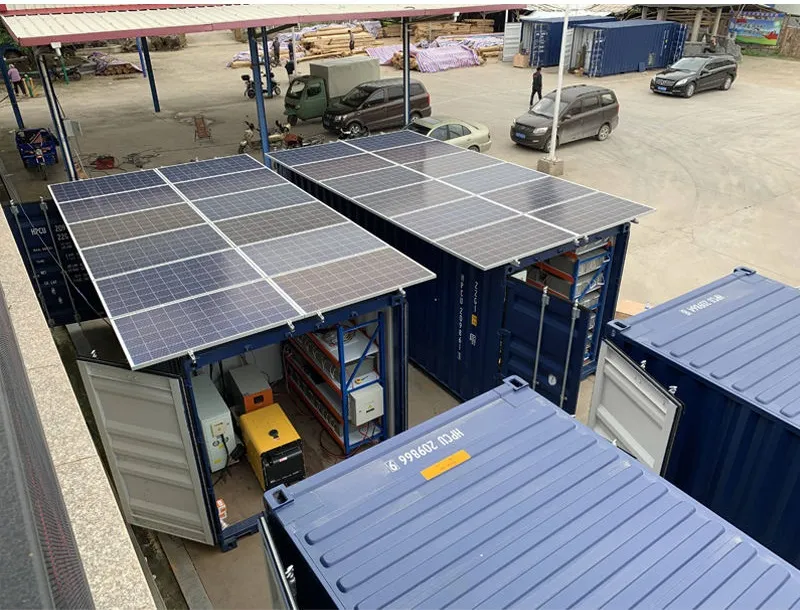
Let's Start with the "Why" Behind Solar Efficiency
Hey there! Ever wondered why some solar panels just seem to work better than others when they all look pretty similar? It’s like comparing smartphones – they might appear alike, but what’s happening underneath the surface makes all the difference. That’s where PERC technology comes in, and it’s changing the game for solar energy. Think of it as a quiet revolution happening on rooftops and solar farms worldwide.
What’s PERC, you ask? Passivated Emitter and Rear Cell tech. Sounds complex, but stick with me – I’ll break it down in plain English. And here’s the cool part: PERC isn’t some abstract concept. It helps bifacial solar panels capture more sunlight – literally making solar modules work harder without needing extra space. That’s one of the many reasons why energy experts are so excited about it.
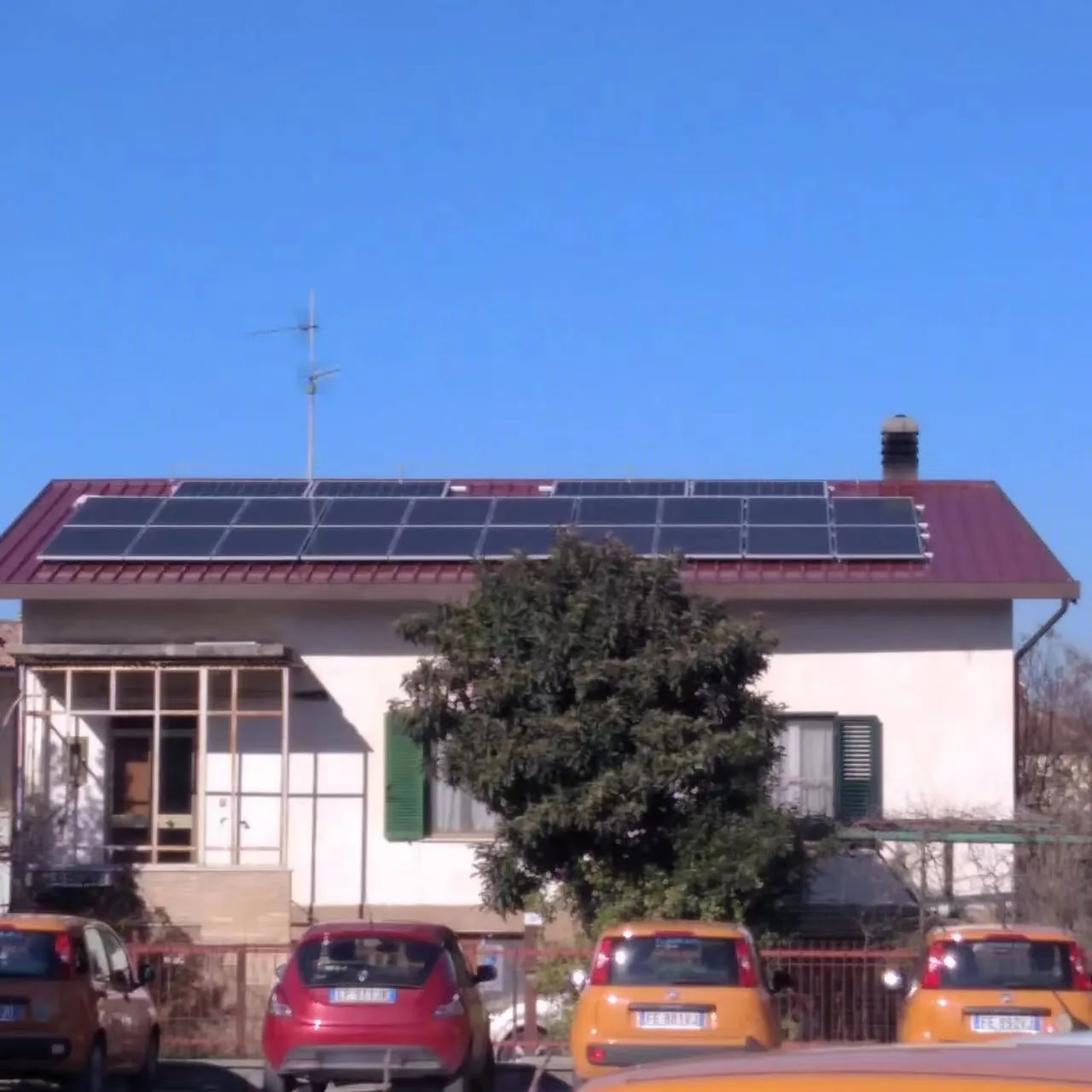
Why Traditional Solar Tech Hits a Wall
Okay, let’s rewind a bit. Old-school solar cells had a fundamental problem – they were a bit wasteful with sunlight. When photons (light particles) hit a standard solar cell, some electrons get knocked loose to create electricity. But lots of them just... vanish. They recombine before they can be used, or they bounce away entirely.
Imagine pouring water into a bucket with holes. You lose water before it even reaches where you need it. That’s what was happening with traditional cells. The rear surface of the cell acted like one of those leaky spots, letting precious energy escape instead of trapping it.
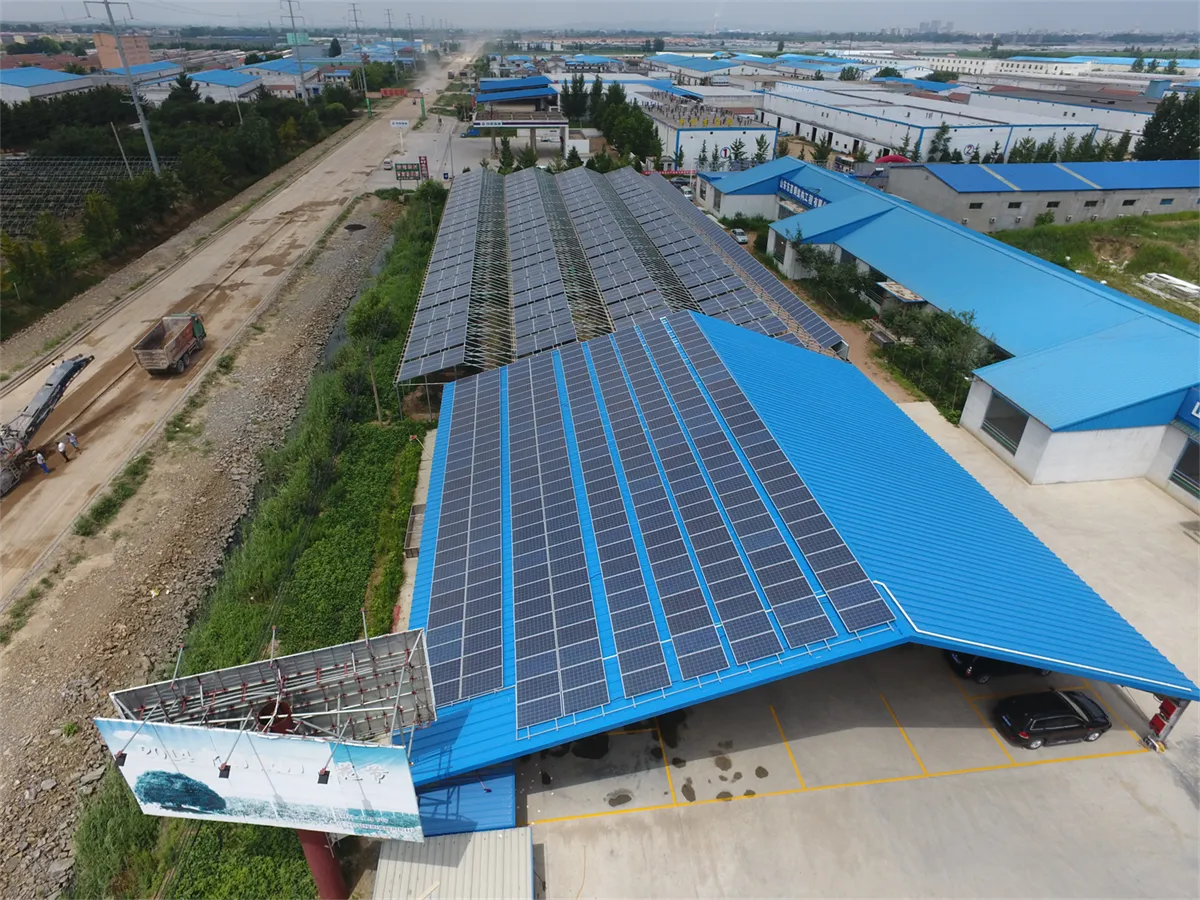
PERC: Like Adding a Secret Weapon to Solar Cells
So here's how PERC changes everything. It adds an extra smart layer – a "passivation layer" – at the back of the solar cell. This layer does two genius things:
- Traps the Party Crashers: That passivation layer stops electrons from escaping and recombining. More electrons stay in the game to generate electricity.
- Bounces Light Back In: Sunlight that passes through the cell gets reflected back for a second chance. It’s like giving sunlight a do-over to generate extra power.
Picture this layer as a savvy bouncer at an exclusive club. It keeps the valuable electrons inside and redirects stray light particles back to the party. More action, less wasted potential.
Here’s What PERC Really Means for Your Power
Why should you care about a tiny layer in a solar cell? Because these practical improvements add up fast:
☀️ Better Energy Harvest
More juice from the same sunlight. Panels using PERC typically deliver 1-3% higher efficiency right out of the gate. That might seem small, but over years? Massive energy gains.
️ Smarter in Tough Conditions
PERC cells maintain performance when older panels slump. Cloudy days? Early mornings? High heat? PERC handles it better. You get more consistent power when you need it most.
Beyond Hype: Real-World Solar Projects Win Big
Don't just take my word for it. Commercial solar farms using PERC modules report up to 10% higher annual yields versus non-PERC equivalents. Homeowners notice it too – their systems often hit max production earlier in the day and keep pushing longer into evenings.
One engineer working on utility-scale projects told me: "PERC feels like discovering hidden reserve tanks in our panels. We're squeezing every drop from available sunlight."
Where PERC Takes Us Next in Solar Innovation
PERC is a bridge to what’s coming next. Here’s why:
First, manufacturers are stacking PERC with other breakthroughs like half-cut cells and advanced tracking algorithms. This creates compound benefits – panels that resist shade better while maximizing PERC's inherent efficiency.
Second, it’s pushing solar tech toward modular integration . Think about how PERC enables hybrid systems that pair beautifully with complementary technologies like micro-inverters or storage batteries. It’s building a smarter, more resilient energy ecosystem, panel by panel.
So What Does This Mean for You?
If you’re considering solar panels, whether for your home or business, PERC tech should absolutely be on your radar. It’s not futuristic lab talk anymore – it’s proven, reliable, and available right now. Yes, PERC panels might cost a tiny bit more upfront. But as energy savings roll in year after year? That investment pays for itself.
The bottom line: PERC transforms panels from passive sunlight collectors to active energy harvesters . It’s like upgrading from a bicycle to an electric bike – you travel further with the same effort. Except in this case, it’s all about turning more sunlight into power.
Looking ahead, I believe PERC is key to making solar accessible everywhere – from crowded cities to remote locations. By getting more energy from every ray of sun, we move closer to sustainable energy that just... works .










