
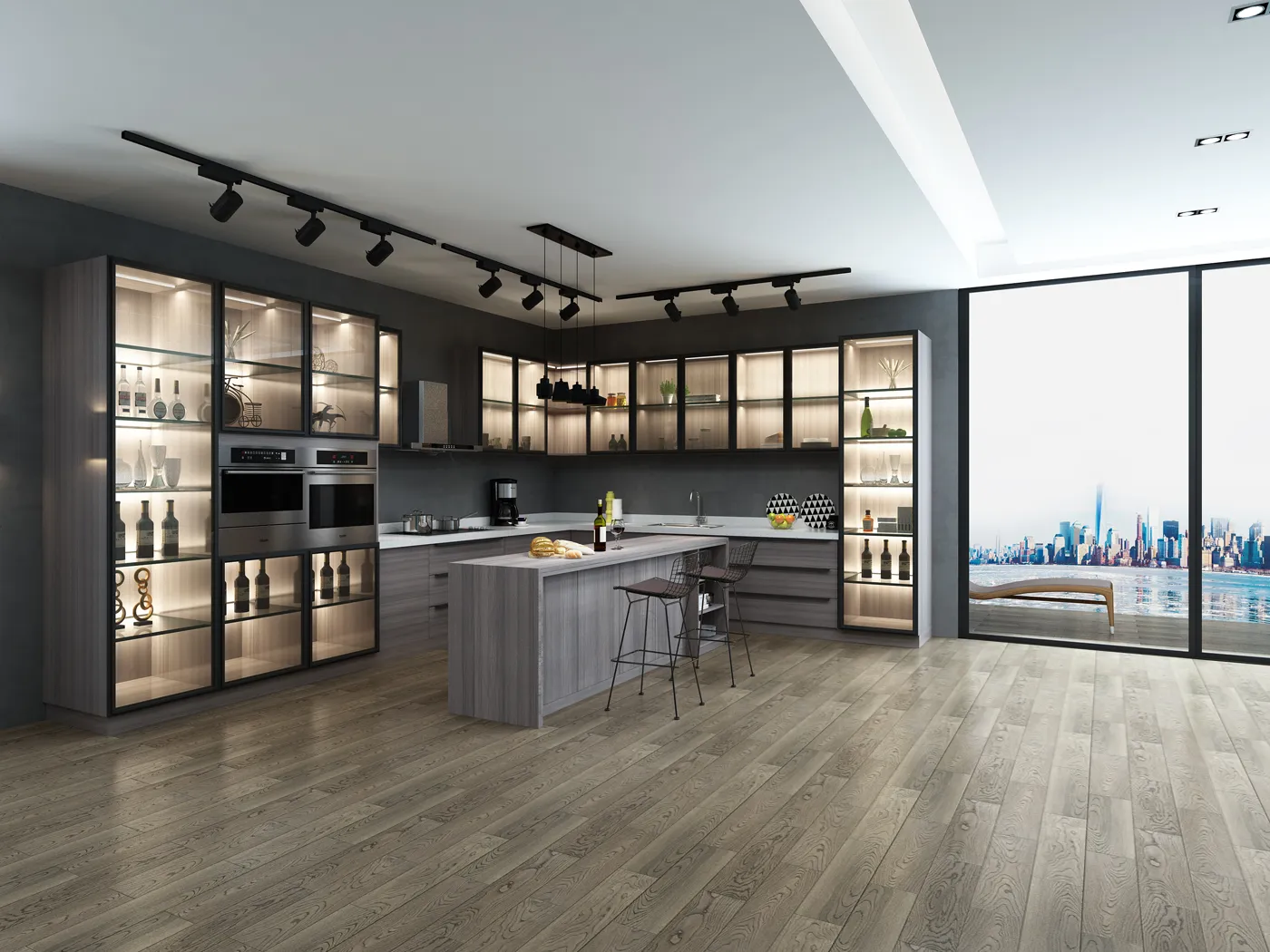
You know that feeling when you walk into a kitchen and it just feels... right? Like every cabinet, countertop, and handle belongs exactly where it is? That's no accident. Creating a kitchen where everything clicks takes meticulous planning, and frankly, traditional blueprints just don't cut it anymore. We're living in an age where seeing is truly believing—especially when it comes to investing in custom cabinets where every inch matters.
Over the past decade, kitchen design has gone from graph paper sketches to virtual walkthroughs that make you feel like you're standing in your future kitchen before a single cabinet gets built. This shift isn't just cool tech—it's changing outcomes for homeowners and designers.
Think about it: kitchens are where life happens. Mornings rushing with coffee spills, evenings decompressing over wine, weekend cooking marathons. When we invest in custom cabinets, we're not just buying storage—we're crafting the command center for our daily lives. That's why visualizing becomes critical.
Remember when people bought kitchens based on catalog photos? We've come so far. Today's 3D renderings let you explore angles you couldn't see in 2D—how morning light hits the coffee station, whether that corner cabinet will actually open fully beside the refrigerator, how the island flow works when three people are cooking together.
Here's the game-changer: Last year, a client insisted she wanted dark blue lower cabinets. Looked stunning in the flat design. But the 3D model revealed how that gorgeous navy would make her narrow galley kitchen feel like a submarine. We switched to airy uppers in the same blue and light wood lowers—saved her years of claustrophobia.
Getting sign-off on renderings isn't about ticking boxes. It's when the dream becomes concrete. That moment when a homeowner says "Oh—THIS is my kitchen!"? That's when you know you've nailed it.
This visual contract prevents disasters:
A custom cabinet maker shared this horror story: A client approved drawings for premium solid wood cabinets, but didn't understand scale. When installed, they felt oppressively bulky. $38K rework—just because they couldn't visualize proportions. That painful lesson pushed their entire shop into mandatory 3D modeling.
Photorealistic renderings don't just show beauty—they expose structural conversations between elements. That gorgeous waterfall countertop? Might interfere with venting. Those deep drawers? Could conflict with plumbing. Digital prototyping solves problems before saws touch wood.
Case in point: We recently designed L-shaped cabinets with a custom hutch. The rendering showed something flat layouts missed: when both corner doors opened simultaneously, they bumped. Simple hinge adjustment in software saved weeks of shop modifications later.
Ever tried describing "mid-century modern but warm"? Or "traditional but not fussy"? Renderings translate subjective tastes into objective visuals. They give clients vocabulary—"Oh, that's the warmth I meant!"—creating shared language where descriptions fail.
A designer confessed she used to dread client feedback rounds. Now? "When I spin the 3D model and see their eyes light up—that's my cue we're aligned. And if something feels off, they can pinpoint exactly what instead of vague 'I don't like it' comments."
Custom cabinet shops rarely discuss this, but renderings dramatically reduce material waste. How? Exact calculations replace educated guesses. Fewer mistakes mean less re-cutting expensive hardwoods. Optimal layouts maximize every sheet of plywood.
One eco-conscious shop tracked their pre-rendering vs. post-rendering waste:
Multiply that across hundreds of kitchens—that's forests preserved and landfills spared.
When done right, these digital assets live beyond installation. Planning a future reno? The model reveals what's behind walls. Selling your home? Stunning renders boost listing appeal. Need warranty claims? Original specs are documented visually.
Consider Rachel's story: Years after her kitchen install, a pipe burst. While neighbors tore out cabinets blindly, she pulled up renderings showing exact plumbing routes. Repair crew pinpointed damage in hours instead of days. That documentation saved thousands.
Let's get real—renovations are stressful. But walking clients through their virtual kitchen provides profound reassurance. Watching them breathe easier when they "try" opening drawers in the model? That emotional ROI is priceless.
As one first-time homeowner put it: "I kept dreaming something would go horribly wrong. But the day we did VR walkthrough and I literally 'stood' in my finished kitchen? That anxiety melted. I could finally relax knowing everything would work."
Great renderings don't isolate cabinets—they show relationships with appliances, flooring, lighting. This holistic view catches conflicts early, like that drawer clearing the dishwasher handle or adequate landing space beside the cooktop.
A high-end builder told us their change orders dropped 75% after adopting kitchen-wide renderings. Why? Clients finally understood how finishes interacted. "No more 'I thought the backsplash would look different against those cabinets' surprises at final walkthrough."
Effective sign-off isn't just emailing JPEGs. Top firms use interactive reviews:
Protip: Always review in natural light simulation. That chic matte black finish might turn into a fingerprint magnet gallery under noon sun—better to know before sealing the deal.
Final thought: The magic happens when renderings capture lifestyle, not just aesthetics. Showing where lunchboxes will stack, how baking sheets slide home, where charging stations hide—that transforms custom cabinets from furniture into life-enablers.
After signing off on her renders, Sarah teared up: "It hit me—this is where my kids will grow up grabbing cereal. This model isn't just our kitchen; it's the backdrop for a thousand future memories." That's what happens when visualization transcends specs and taps into what kitchens really represent.
In the custom cabinet world, good rendering is no longer a luxury—it's the bridge between expectation and reality, the tool that turns "I hope it works" into "I know it will." And in spaces as personal and heavily used as our kitchens? That certainty isn't just valuable... it's everything.
Recommend Products












