
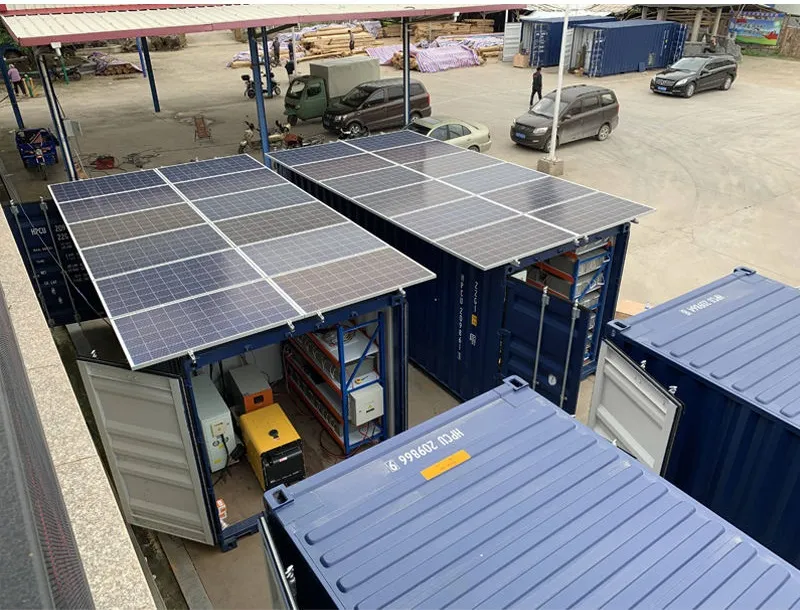
You've found the perfect solar panels. The specs dazzle, the efficiency ratings impress, and the manufacturer's reputation shines. In your mind's eye, you're already watching your energy bills shrink as your investment pays off month after month. But hold that thought - because between those pristine factory floors and your rooftop lies a complex web of logistics that can transform budget-friendly green tech into a premium expenditure.
Global shipping costs add 25-45% to solar panel prices - a surcharge often hidden until the final invoice. These expenses don't just appear; they accumulate at every stage: from forklifts loading containers at manufacturing plants to diesel-guzzling trucks navigating port access roads.
Let's break this down. When comparing quotes, most homeowners focus strictly on panel wattage and brand reputation. Few consider how maritime fuel surcharges or port congestion fees might impact their final investment. That's understandable - the solar industry prefers highlighting gleaming silicon wafers rather than the gritty realities of container shipping. But as one logistics manager from a major Chinese manufacturer confided: "The journey from Shenzhen to San Francisco often costs more per panel than the polycrystalline silicon inside it."
miles traveled by average solar panels from Asia to US
typical ocean freight transit time
price premium for "rush" shipping

Ever watched massive container ships glide across calm waters? That serene image belies the financial turbulence beneath. Shipping solar modules isn't like dispatching a mail parcel - it's a high-stakes game influenced by factors ranging from Middle Eastern geopolitics to Panama Canal water levels.
Picture this: Your panels likely begin their journey stacked in steel containers at a Chinese port. They'll share vessel space with everything from electronics to exercise equipment, subject to complex freight agreements negotiated months before production. Here's where the volatility starts. Fuel prices swing dramatically; a 30% diesel spike translates directly to higher bunker adjustment factors. Insurance premiums inflate when piracy threats emerge near key passages. Port labor disputes can trap shipments offshore for weeks, incurring demurrage charges.
Consider the true impact: That Chinese-made panel originally priced at $0.35/watt gains $0.05/watt in factory handling, $0.12/watt in ocean freight, and $0.08/watt in domestic trucking before installation crews even uncrate it. Suddenly, your 'budget' $0.35 panels carry $0.60/watt real cost. That's why regional price differences look stark on paper - identical panels often cost less in Madrid than Minneapolis simply due to shipping infrastructure variances.
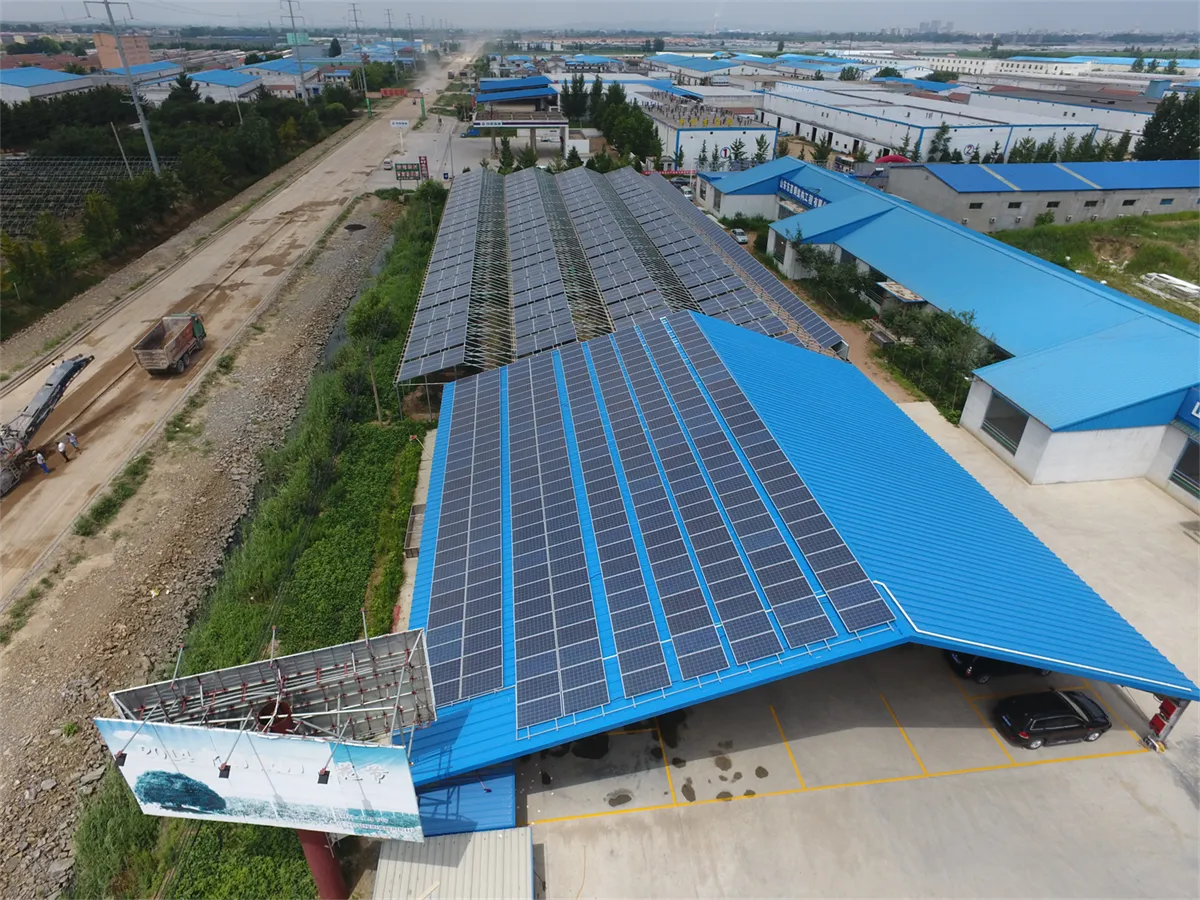
Beyond transport costs lies the intricate world of trade policy. Governments champion solar adoption through tax credits while simultaneously applying tariffs that undercut those very incentives. It's not malice - just competing priorities between green energy goals and domestic manufacturing protection.
Imagine two scenarios:
Scenario A: Panels manufactured in Vietnam shipped to California. Anti-dumping duties add 15% before state tariffs apply. Then harbor maintenance fees kick in.
Scenario B: Identical panels shipped from Malaysia during a trade agreement grace period. Duties waived, but shipping costs doubled due to rare sea lane disruptions.
Both introduce unpredictable cost variables that make final pricing resemble stock market speculation rather than retail commerce. Installers hedge risks by building 10-20% buffers into quotes - buffers homeowners unknowingly finance.
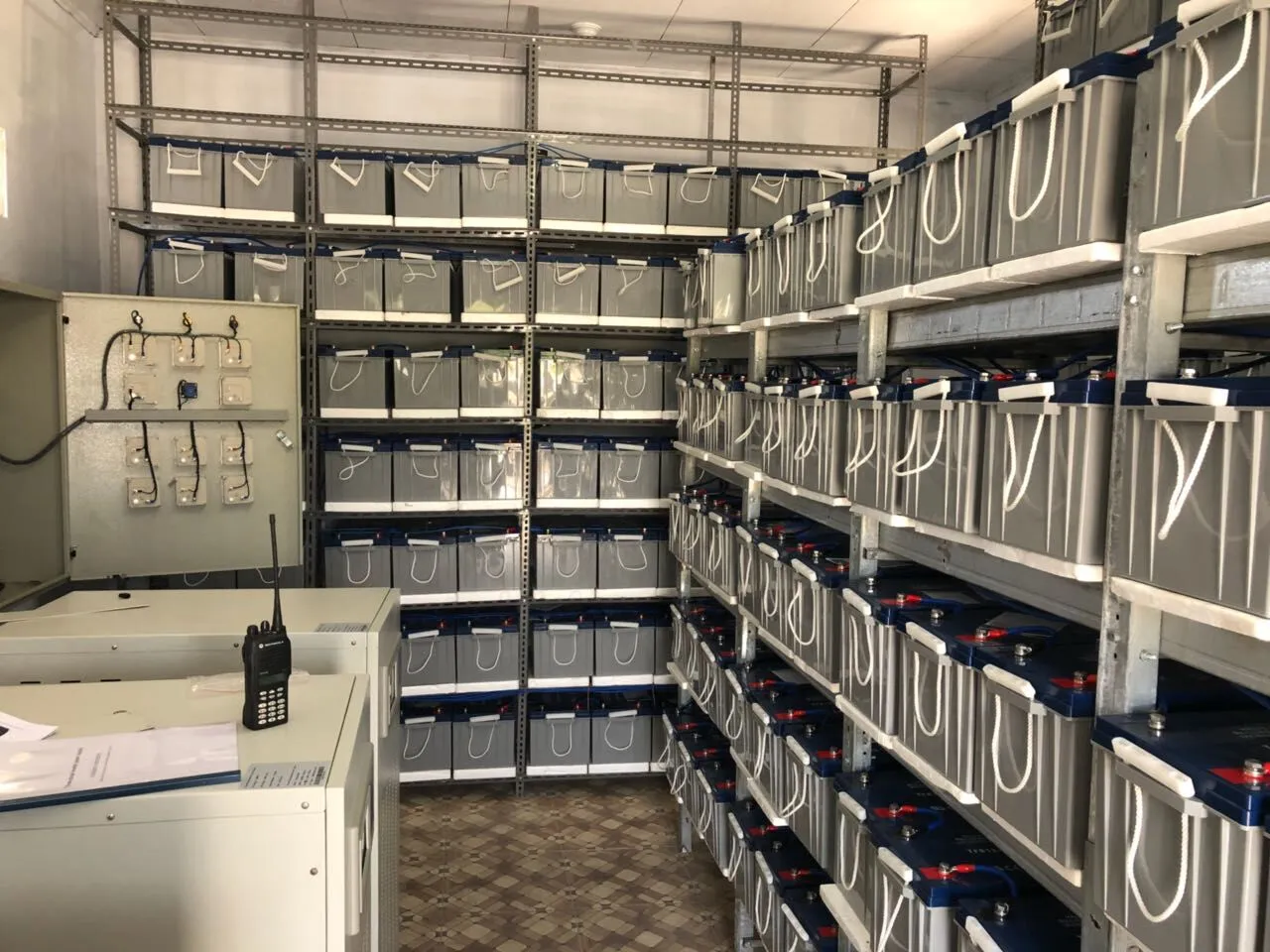
Fortunately, solutions are emerging. The most promising? Material science innovations that reduce shipping weight without compromising efficiency. New frameless designs and composite materials let installers stack 40% more panels per container - directly shrinking per-unit freight costs.
Another breakthrough: modular designs that separate delicate solar cells from bulky framing during transit. Picture IKEA-style flat-packed panels assembled locally. These innovations cut shipping damage rates (currently averaging 5-8%) while optimizing container space.
Forward-thinking distributors are turning shipping realities into competitive advantages. By establishing regional pre-stocking warehouses and negotiating consolidated freight contracts, they stabilize prices while reducing transit times.
But progress takes time. Until these innovations become standard, homeowners should approach solar estimates with probing questions: "What shipping tier applies here? Are these post-tariff costs? What's the damage replacement policy?" Understanding these layers empowers smarter investments in our sustainable future - one panel, and one shipment, at a time.
We end where we began: eyeing those promising panels on your future roof. The difference now? You'll see beyond specs and warranties to appreciate the extraordinary journey etched into each price tag. Those numbers contain stormy seas, border negotiations, and intricate logistics balancing acts.
Shipping costs constitute the solar industry's quiet paradox - transporting heavy, fragile equipment across volatile global routes while maintaining affordability. But understanding this journey transforms you from passive consumer into informed participant.
So when you finally see panels gleaming atop your home, take a moment. Consider the ports they passed through, the seas they crossed, and the expertise that delivered them intact. That perspective makes the investment richer - because you're not just buying solar cells. You're supporting the intricate global collaboration that brings sustainable energy within reach.
Recommend Products












