


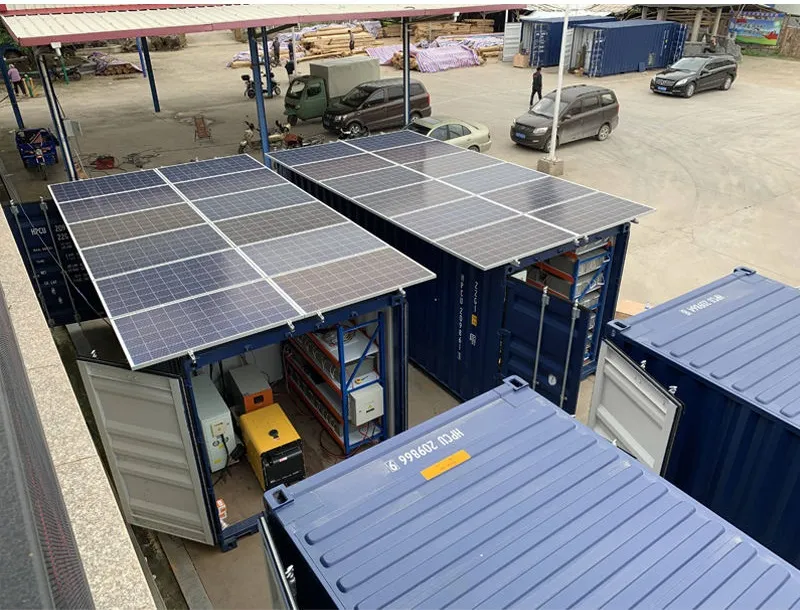
The Silent Struggle in Tropical Climates
Imagine baking under the scorching sun day after day, soaked in sweat from oppressive humidity. That's exactly what millions of solar panels endure in tropical and desert regions. While we feel temporary discomfort, photovoltaic systems face cumulative damage that can lop years off their operational life. It's an unspoken reality in the renewable energy world - these climate warriors that power our green revolution are themselves vulnerable to the very elements they harness.
I've seen firsthand how a solar panel installation in Miami ages differently than its counterpart in Denver. After just three years, the difference in material degradation becomes visibly apparent. Humidity acts like invisible sandpaper, while heat works like a slow cooker on delicate electronic components. The physics behind this deterioration isn't just academic theory - it translates directly to shortened lifespans and unexpected replacement costs for homeowners and utility companies alike.
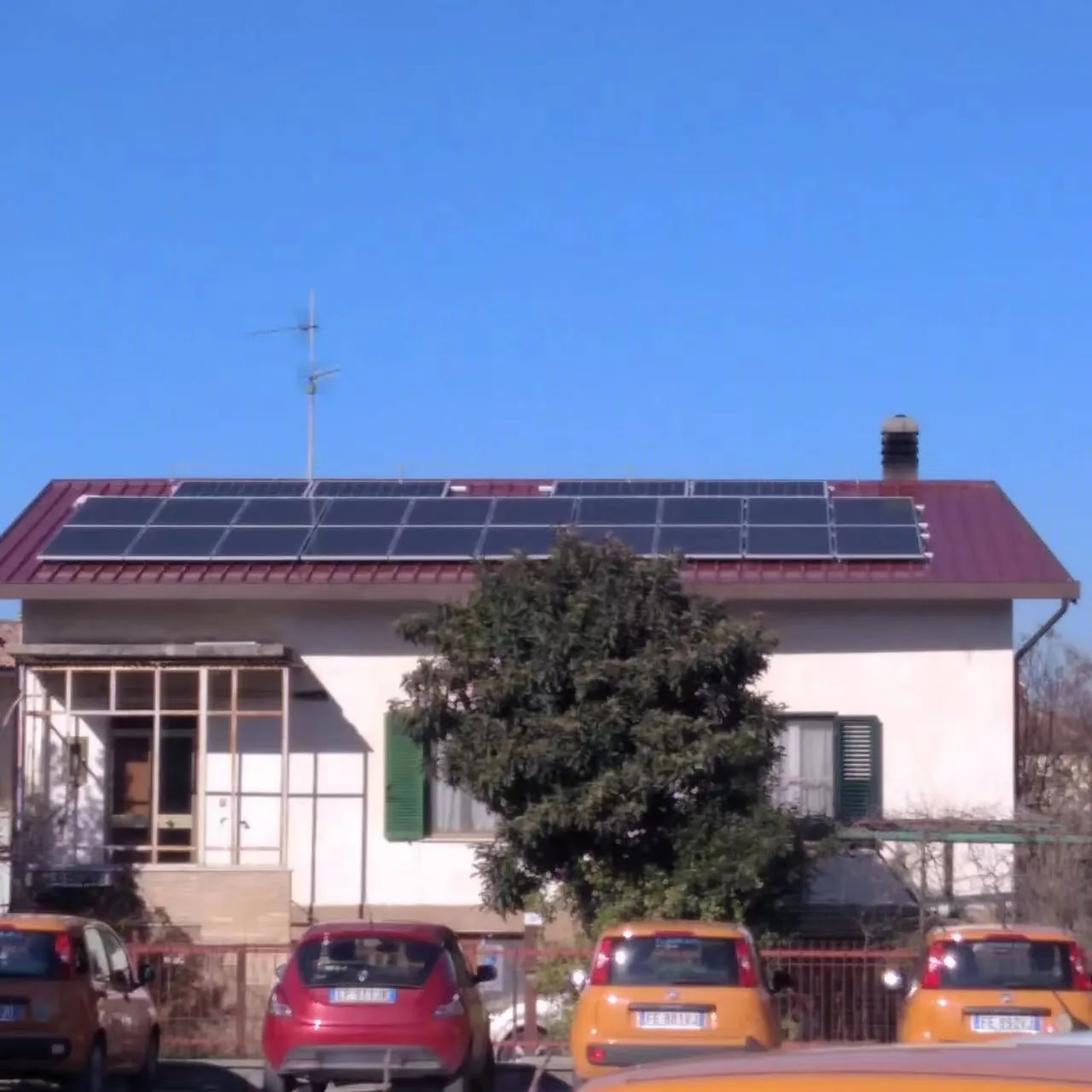
How Heat Cooks Your Solar Investment
When mercury rises, solar panels don't just work harder - they suffer physical stress. Here's what's happening inside those glistening rectangles:
- The efficiency paradox : Counterintuitively, panels produce less power at higher temperatures. For every degree above 25°C, efficiency drops by about 0.5%. That means a 35°C day sacrifices 5% output
- Material fatigue : Aluminum frames and silicon cells expand at different rates, creating microscopic cracks that grow with thermal cycling
- Chemical breakdown : Ethylene-vinyl acetate (EVA) encapsulant yellows and degrades under UV exposure amplified by heat
- Hotspot formation : Uneven shading creates resistance points that can reach 150°C - enough to melt solder joints
I remember inspecting a solar farm in Arizona where local temperatures regularly hit 45°C. We found solder connections that looked like melted candle wax - a failure point invisible from the ground but catastrophic for energy production. This thermal abuse doesn't just reduce output today; it accumulates damage year after year, quietly stealing from the panel's lifespan.
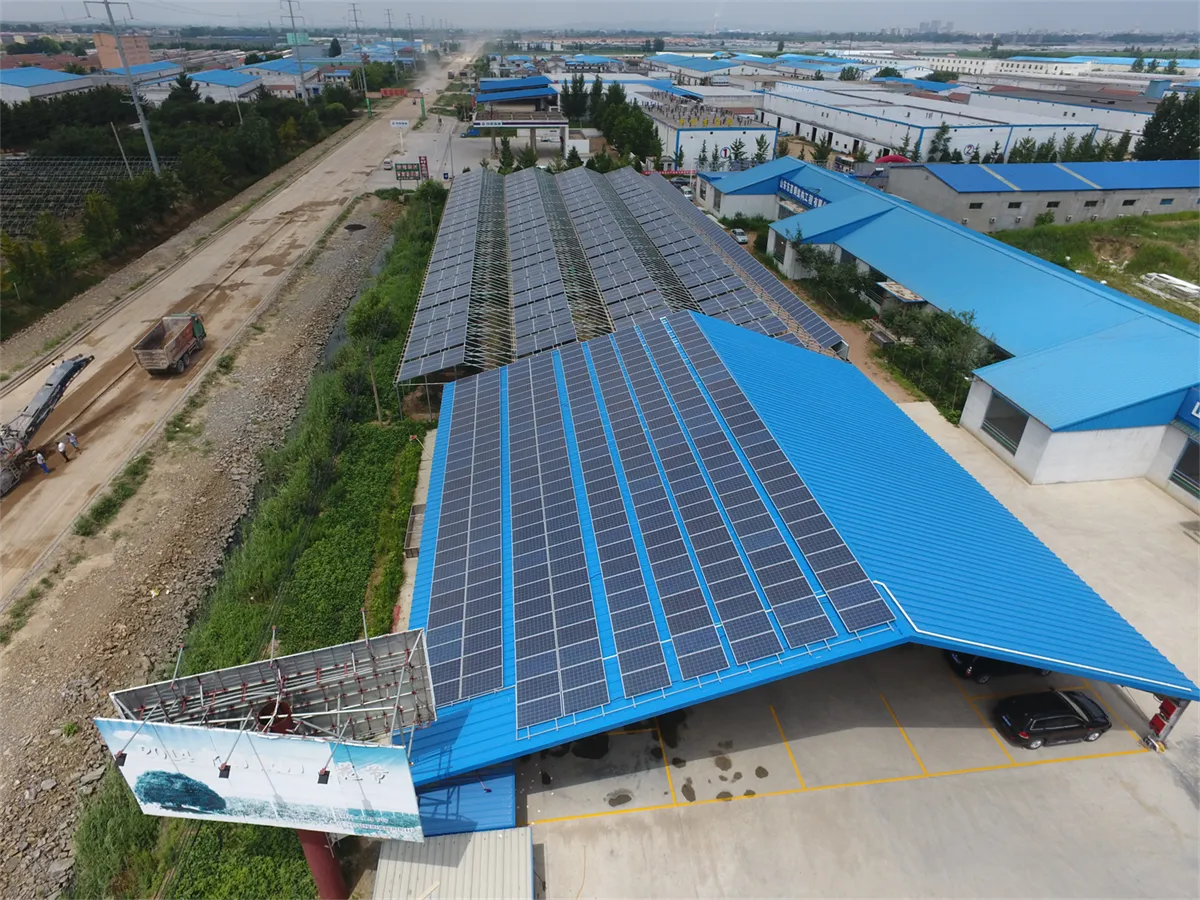
Humidity: The Invisible Corrosive Force
Moisture infiltrates solar systems like a persistent spy, carrying corrosive elements that undermine structural integrity:
- Electrochemical corrosion : When water vapor penetrates junction boxes, it triggers galvanic reactions between dissimilar metals
- Delamination : Humidity seeps between glass and encapsulant layers, creating milky patches that block sunlight
- PID effect : Potential Induced Degradation causes up to 30% power loss when humidity enables electrical leakage paths
- Connector corrosion : MC4 connectors develop resistance that creates dangerous hotspots
In coastal Thailand, I witnessed how sea air accelerated corrosion so severely that panels younger than five years showed terminal degradation. The salt-laden humidity acted like acid rain, eating through supposedly weatherproof materials. What many homeowners don't realize is that humidity damage is cumulative and often irreversible - a slow-motion tragedy playing out in tropical regions worldwide.
Guardians of Sunlight: Practical Protective Measures
The battle against environmental damage starts before installation and continues through the system's lifetime. Here are proven defensive strategies:
- Strategic elevation : Mounting panels at least 6 inches above rooftops creates cooling airflow while avoiding splashback corrosion
- Breathing room : Using trapezoidal racking (instead of flat mounts) reduces operating temperature by 8-12°C
- Corrosion armor : Specifying stainless steel fasteners and anodized aluminum frames prevents galvanic reactions
-
Sealant selection
- Cool skin technology : New coatings reflect infrared radiation while allowing visible light through
During a retrofit project in Singapore, we implemented temperature logging that revealed a simple solution: rotating panels 15 degrees away from due south reduced peak temperatures by 17%. Combined with quarterly cleaning to remove moisture-trapping grime, this extended projected lifespan by at least 4 years. The principle applies universally: solar panel longevity depends more on thermal management than most realize.
The Maintenance Mindset
Protecting your solar investment isn't a one-time effort - it's an ongoing relationship with your energy system:
Begin each month by visually scanning for discoloration, especially around edges where delamination starts. Use binoculars if roof access is unsafe. Every rainy season, check that drain holes in panel frames remain unclogged - trapped water accelerates corrosion. Thermal imaging inspections every 18 months can catch hidden hotspots before they cause failures.
Most importantly, recognize warning signs: a 10% unexplained production drop should trigger professional diagnostics. I've seen too many homeowners dismiss small dips in output, only to face catastrophic system failure later. Like visiting a doctor for checkups, preventative maintenance pays exponentially in avoided replacements.
The Bright Horizon
Current research promises revolutionary developments that will help solar installations thrive in harsh conditions:
- Phase-change materials that absorb heat during the day and release it at night, keeping panels cooler
- Self-healing polymers that seal microcracks automatically when warmed by the sun
- Nanocoatings that create hydrophobic surfaces causing water to bead and roll off instantly
- Ceramic-based solar cells that resist degradation up to 600°C
These advancements can't come soon enough. As climate change intensifies, more regions will experience the damaging combination of high heat and humidity. The next generation of solar panel technologies will transform vulnerability into resilience. Until then, understanding the current risks and implementing protection strategies remains crucial for maximizing your renewable energy investment.
Parting Wisdom
Every solar installation tells an environmental story - not just in energy produced, but in battles fought against the elements. Choosing panels with weather-specific certifications, implementing smart thermal management, and committing to vigilant maintenance are the three pillars of longevity. Remember, your solar system isn't just equipment; it's a long-term relationship with the sun. Treat it with the attentive care it deserves, and it will reward you with decades of clean energy.
The difference between 15-year and 25-year performance doesn't lie primarily in manufacturing quality, but in understanding and mitigating environmental impacts. Knowledge truly becomes power when protecting your power production.










