
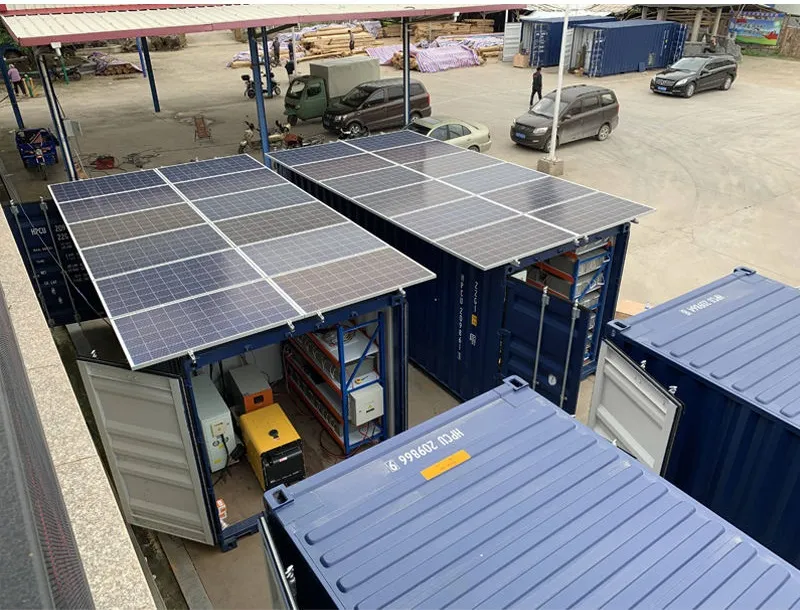
The year 2025 marks a critical inflection point for the global solar industry as Europe's Carbon Border Adjustment Mechanism (CBAM) reaches full implementation. With 85% of PV manufacturing currently concentrated in Asia and China supplying over 80% of global polysilicon, these tariffs are poised to fundamentally rewrite solar trade patterns and manufacturing geography.
The European push for localized solar manufacturing represents more than just economic policy – it's a geopolitical repositioning. Analysis shows that meeting the EU's target of 30GW local manufacturing capacity requires:
This relocation trend shows up in surprising places. Malaysia and Vietnam have become unexpected winners in the tariff shift, capturing 22% of redirected EU imports previously sourced from China. Meanwhile, Germany and Eastern European nations are emerging as key manufacturing hubs leveraging their existing industrial ecosystems and clean energy infrastructure. The transformation represents not just factory relocations but fundamentally new supply chain architectures.
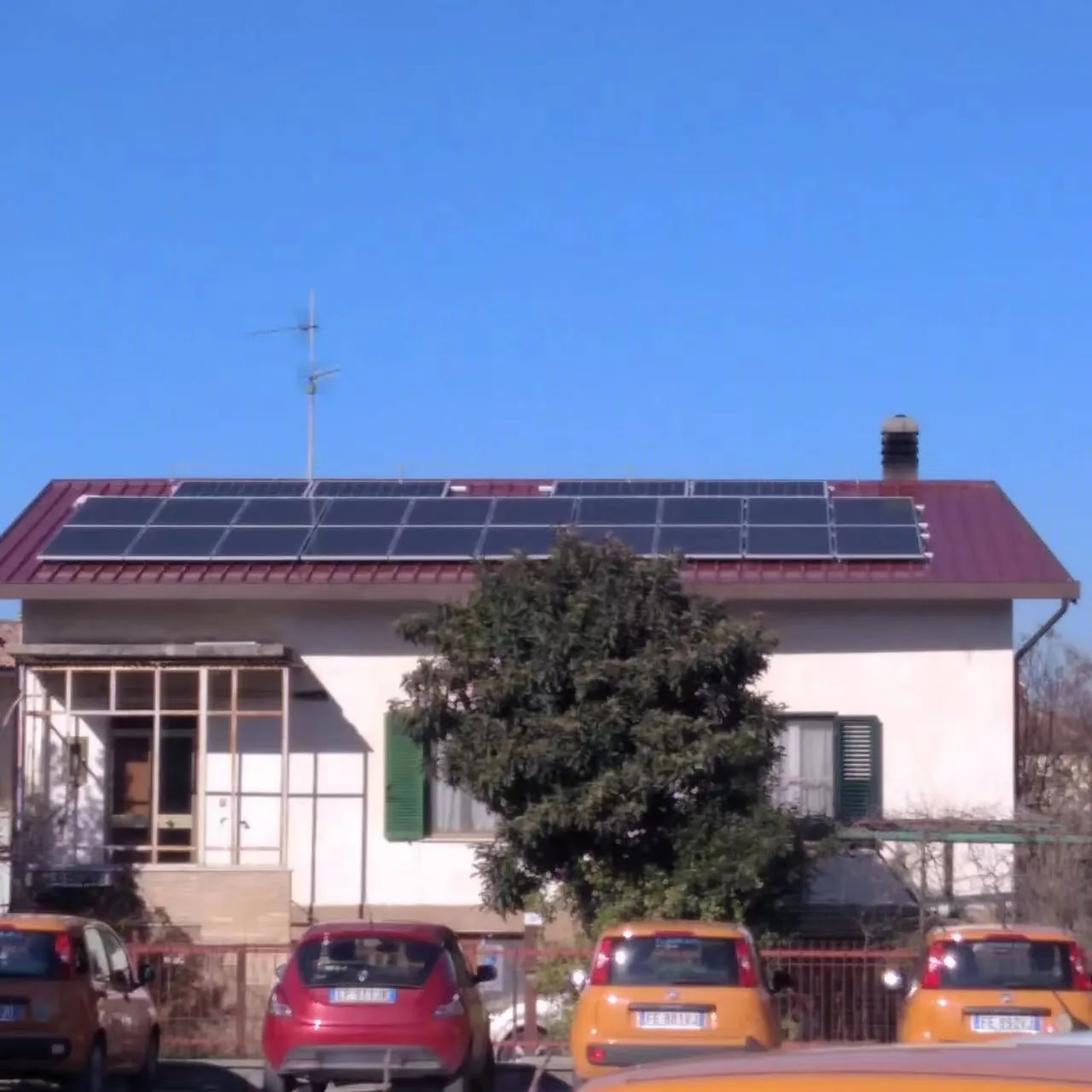
The carbon tariff structure creates fascinating environmental paradoxes. Production relocation to Europe can reduce module carbon footprints by up to 40% thanks to cleaner energy grids. However, this comes with hidden tradeoffs:
The sustainability equation reveals that Europe's module production could achieve a carbon intensity of 0.38kg CO₂/W by 2027 compared to China's current 0.82kg average. However, this environmental gain comes at a price: industry costs in Europe surge 34% above globally optimized supply chains, creating consumer affordability challenges even with subsidies.
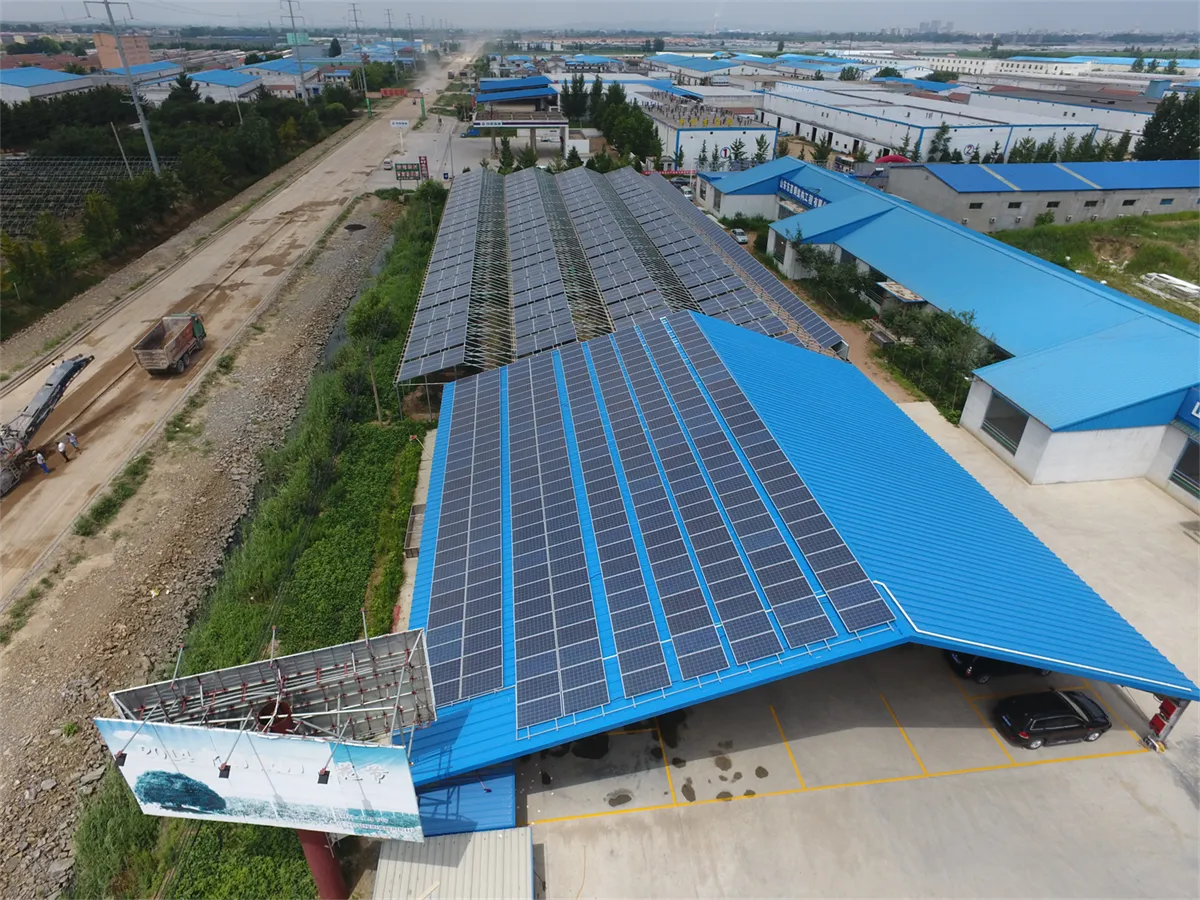
Solar manufacturers display remarkable resilience in this new trade environment through technological adaptation:
The most significant shift? A move from purely cost-driven manufacturing to carbon-optimized production. Industry leader Trina Solar now operates dedicated low-carbon production lines using hydropower specifically for European exports, while Canadian Solar has pioneered blockchain-based carbon certification. These innovations point to a future where solar products are differentiated not just by wattage, but by their environmental passport.
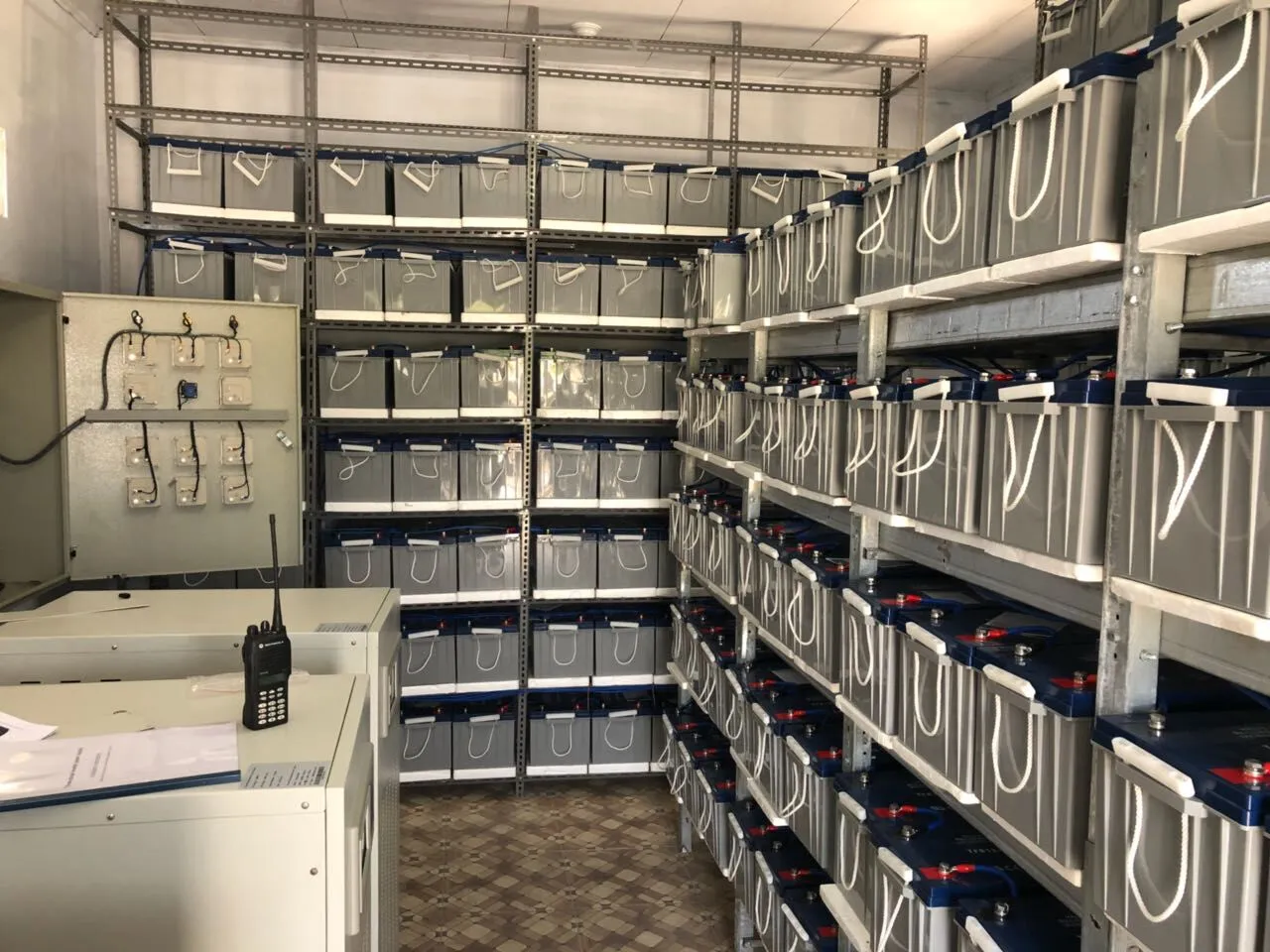
Solar tariff impacts spill beyond energy sectors into adjacent industries. Raw material markets face particular pressure:
Perhaps most crucially, the solar trade transformation creates opportunity for complementary technologies. Building-integrated photovoltaics (BIPV) see renewed interest as manufacturers seek to bypass tariffs by embedding solar in roof tiles and facades classified as building materials. The convergence between construction materials and energy generation creates fascinating hybrid products positioned outside traditional tariff classifications.
The most effective adaptation strategies combine policy navigation with technological innovation:
The ultimate challenge? Balancing Europe's legitimately important goals – energy security, skilled job creation, emissions reduction – against the fundamental reality that solar remains a globally optimized industry. Current modeling suggests localized production achieves environmental goals but at 30-35% higher consumer costs. The compromise path may emerge in hybrid systems: European final assembly using Asian subcomponents with blockchain-verified low-carbon manufacturing.
By 2028, the solar landscape will fundamentally transform. We'll likely see regionalized manufacturing ecosystems with Europe specializing in high-efficiency, low-carbon panels for premium markets, Asia maintaining cost leadership for utility-scale projects, and new facilities in India and Brazil serving emerging economies. The carbon tariff represents not an end point, but the beginning of a decade-long solar industry reorganization where environmental metrics become as important as watt-per-dollar calculations.
Recommend Products












