
Ever wondered why your building's electrical system doesn't randomly catch fire or why factories don't experience unexplained shutdowns? There's an unsung hero behind that reliability – the IEC 61439 standard. If you're an electrical contractor, facility manager, or safety professional, this isn't just another technical document collecting dust on a shelf. It's the blueprint that keeps lights on, machines running, and people safe.
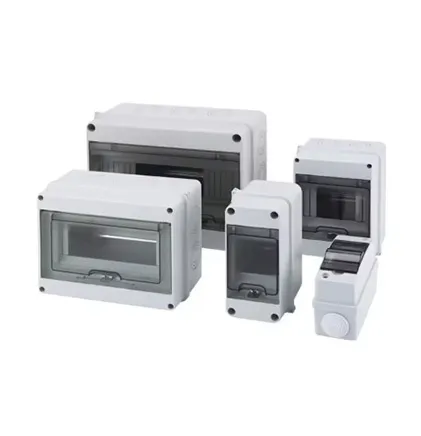
Low voltage distribution boxes are the silent guardians of modern infrastructure – hidden behind walls and in utility rooms, orchestrating power flow with Swiss-watch precision. Like the foundation of a building, their reliability remains invisible until it fails. That's where IEC 61439 comes in.
What makes this standard so revolutionary? It shifts responsibility from component-level safety to holistic system safety. In plain terms: It doesn't matter how great your circuit breakers are if they're installed incorrectly in an inadequate enclosure. This integrated approach recognizes that electrical safety is like baking – even perfect ingredients fail without the right process.
Real World Impact: A European manufacturing plant experienced regular shutdowns costing €500K monthly – traced to incompatible components assembled without following IEC 61439 verification protocols. Compliance isn't paperwork; it's profit protection.
IEC 61439 isn't satisfied with manufacturers just saying "trust us." It demands rigorous verification woven through three distinct approaches:
Think of this as digital stress-testing before a single screw is tightened. Using sophisticated simulations, engineers model:
The beauty? Catching design flaws in silicon costs pennies compared to physical prototype failures.
Here's where craftsmanship meets quality control on the manufacturing floor. Workers don't just assemble – they inspect critical junctions:
It's the electrical equivalent of a chef tasting every dish before service.
This is where lab technicians put their stamp of approval through brutal validation:
A distribution panel that survives this gauntlet earns the IEC 61439 badge of honor.
Here's a truth not spoken enough in industry conferences: The most compliant assembly becomes dangerous if installed incorrectly. The standard accounts for this through:
When a Dubai high-rise experienced unexplained outages, investigators found compliant panels compromised by improper field wiring – highlighting how installation context transforms theoretical compliance into functional safety.
This is where the human element meets technical specifications. Organizations like the IEC of Arizona demonstrate how workforce development completes the safety equation:
Case Study: Kata Reichert, 2023 Apprentice of the Year, switched careers to electrical work with Hawkeye Electric. Her journey embodies the IEC ethos – "The feeling of success at the end of a job is astonishing." It's this craftsmanship culture that transforms standards from constraints into quality enablers.
Apprenticeship programs bridge the gap between document requirements and field realities. Through:
Contractors transform from rule-followers to safety innovators.
Beyond avoiding disasters, IEC 61439 compliance delivers tangible business benefits:
Consider it an investment that pays dividends in reliability and reputation.
As the standard evolves, watch for these emerging trends:
The next revision might require lifetime carbon footprint analysis – showing how electrical safety and environmental responsibility are converging.
IEC 61439 isn't about checking boxes – it's about creating resilient electrical ecosystems. Its three verification approaches form an interlocked safety framework where:
When implemented holistically – supported by proper training and installation practices – this standard does more than prevent disasters. It builds the foundation for innovation, empowering engineers to create safer, smarter electrical infrastructures for tomorrow's challenges.
Recommend Products












