
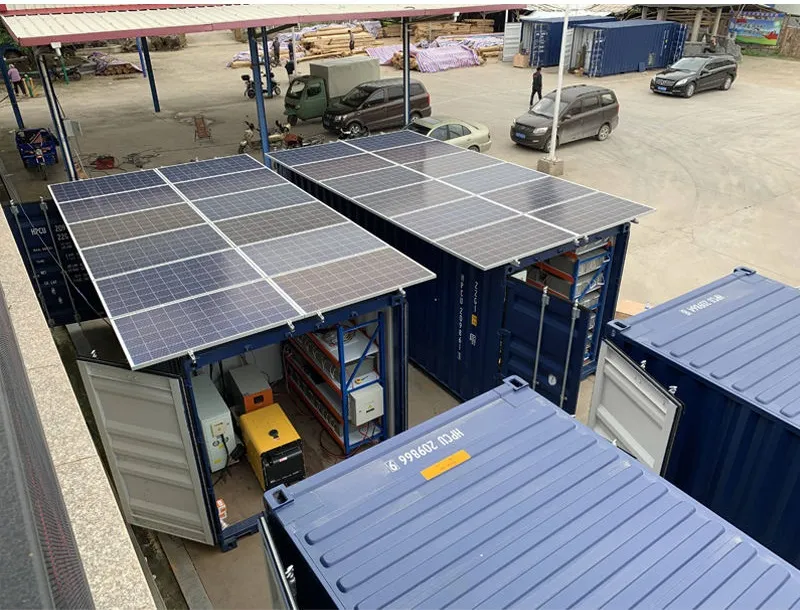
As Category 5 storms become increasingly common, Caribbean nations face an urgent challenge: how to harness solar power while surviving hurricane seasons that rewrite record books. The devastation left by Hurricane Beryl across the Grenadines in 2024 wasn't just a weather event—it was a wake-up call for renewable energy infrastructure across the region.
Picture this: You're standing on a sun-drenched Caribbean island where solar potential seems limitless. Yet this paradise sits squarely in Hurricane Alley, where 200mph winds can transform clean energy investments into dangerous projectiles overnight. It's the ultimate renewable energy dilemma.
After surveying solar carnage across multiple islands post-hurricane, one pattern emerged clearly: The difference between survival and destruction wasn't about luck. As Michael Vance from Asante Energy noted, "We saw identical storm conditions demolish one installation while its neighbor stood virtually untouched. The distinction came down to intentional engineering choices ."
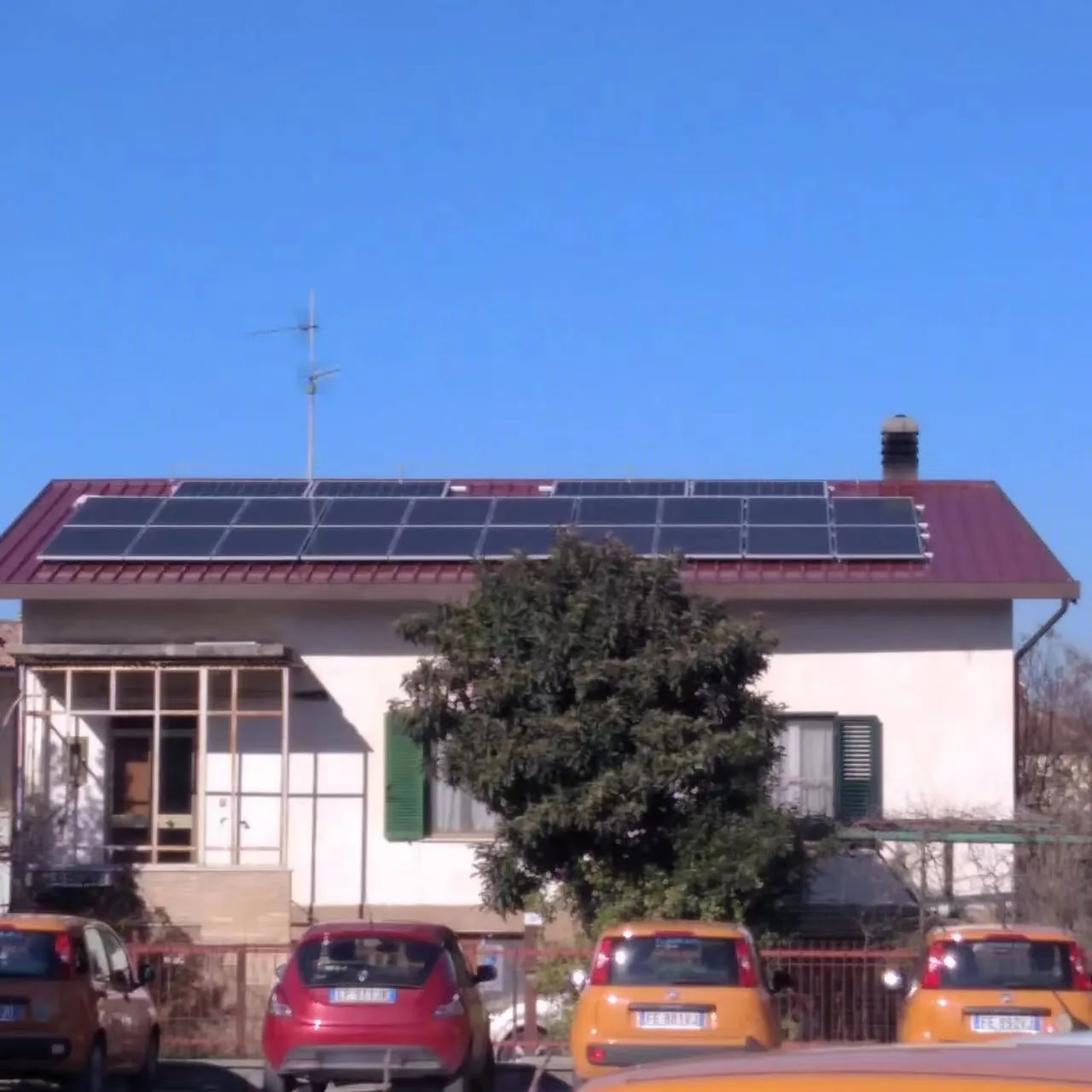
When Beryl became the earliest recorded Cat 5 hurricane in Atlantic history, it offered brutal lessons:
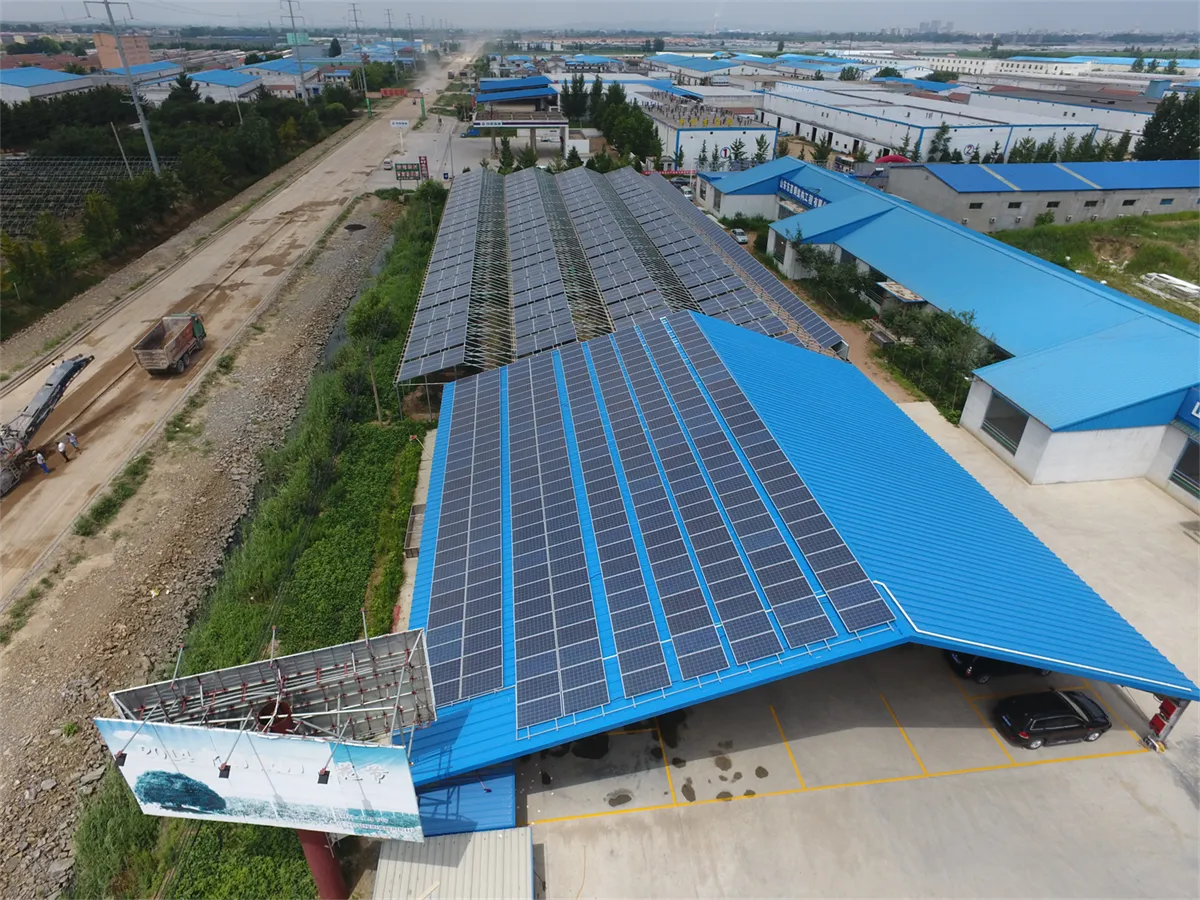
Developing comprehensive certification isn't about adding red tape—it's about creating life-saving, investment-protecting guidelines for volatile climate zones . The key pillars should include:
"Dual-post piers weren't just slightly better—they were game-changers," explains Colleen O'Brien from Underwriters Laboratories. "When combined with concrete ballasts exceeding 30% of uplift force calculations, they resisted winds that snapped single-post systems like twigs."
Vibration-resistant hardware outperformed standard bolts by 400% in simulator testing. As Andrew Richards of Lightwork Power Caribbean observed, "It's not just strength—it's about designing connections that absorb energy rather than transmitting it."
Beyond frame durability, we're seeing innovations like:
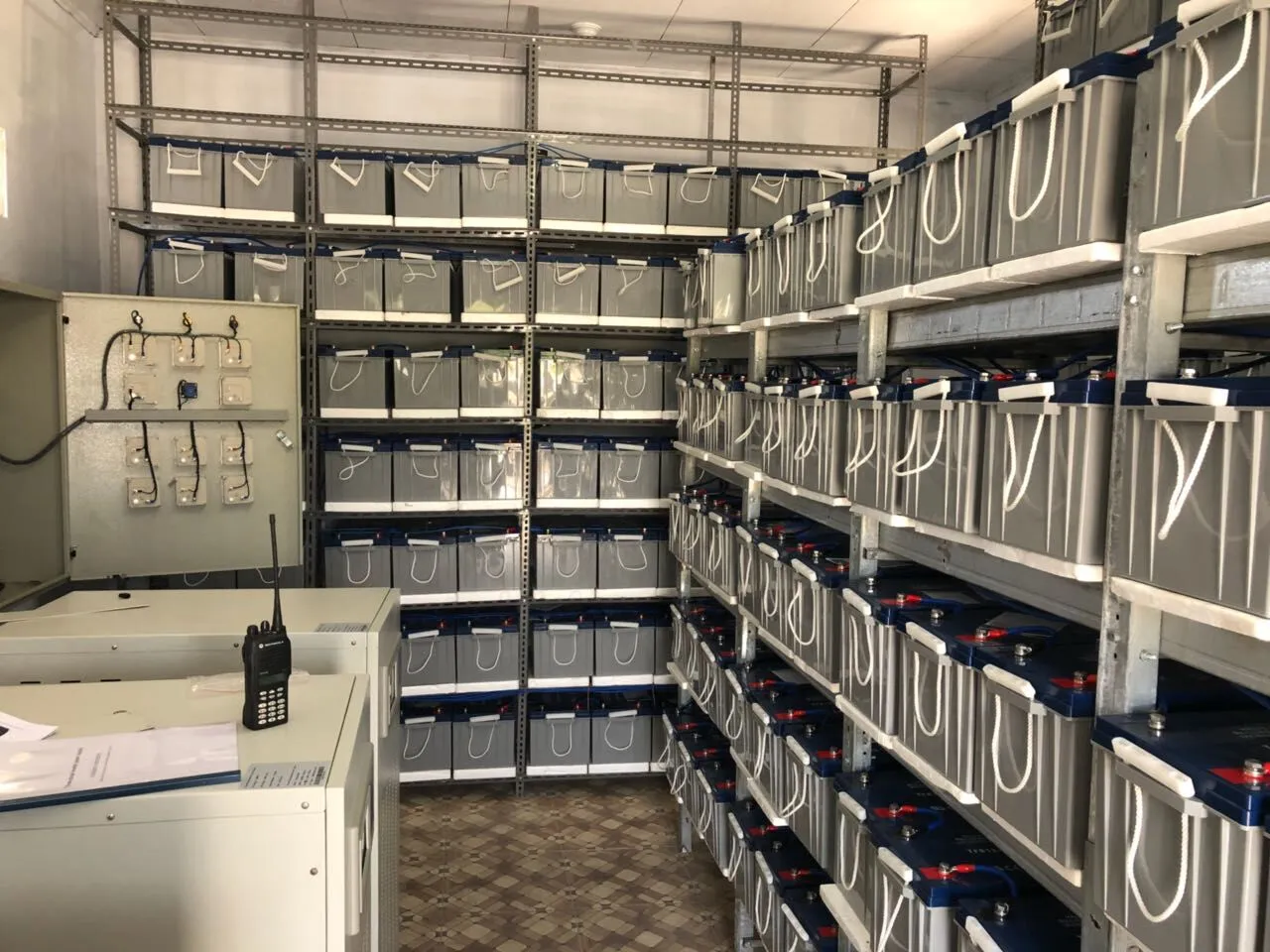
No certification can succeed without addressing these critical realities :
"During Maria's aftermath, we saw solar arrays intact but useless because inverters drowned in storm surges. Certification must address whole-system resilience —not just what's above ground." — Grenada Energy Minister during CAREC summit
Maintenance protocols matter tremendously. Inspections must include:
Implementing standards across the Caribbean brings special complexities:
When Dominica required certified hurricane-resistant materials after Maria, shipments stalled for months. Solutions include:
Barbados found the sweet spot by:
The PV Resiliency Working Group's progress through CAREC showcases how knowledge sharing creates collective strength:
Looking ahead, certification should evolve to address:
The Caribbean's energy future shines brightest when solar innovation and hurricane resilience become inseparable. As islands rebuild after each storm, certified solar systems transform from infrastructure into beacons of hope - proof that renewable energy can withstand nature's fiercest tests and emerge stronger.
Recommend Products












