

Imagine stepping into your home after a long day, eager to relax—but instead of feeling refreshed, you're hit with a faint, chemical-like smell. Your eyes water a little, and by bedtime, you're struggling with a headache. If this scenario sounds familiar, you might be dealing with poor indoor air quality (IAQ), a silent issue that affects millions of households and buildings worldwide. The culprit? Often, it's the materials we use to build and decorate our spaces. From paint to flooring to wall panels, many traditional options release harmful volatile organic compounds (VOCs) into the air, compromising our health without us even realizing it. But what if there was a better way? Enter WPC wall panels—a modern, low-VOC solution that's changing the game for indoor air quality. In this article, we'll explore how WPC wall panels work, why they're a safer choice, and how they compare to other materials like bamboo charcoal board wall panels and class A fireproof CPL inorganic boards. Whether you're renovating your home, designing a school, or outfitting a hospital, understanding these options could be the key to creating healthier, more breathable spaces.
Indoor air quality is often overlooked, but consider this: the average person spends 90% of their time indoors, according to the Environmental Protection Agency (EPA). That means the air we breathe inside—at home, at work, in schools, or hospitals—has a direct and lasting impact on our health. VOCs, or volatile organic compounds, are a major contributor to poor IAQ. These chemicals are emitted as gases from certain solids or liquids, including many building materials, paints, and furniture. Common VOCs include formaldehyde, benzene, and toluene, which can cause short-term effects like eye irritation, headaches, and dizziness, as well as long-term risks such as respiratory diseases, organ damage, and even cancer with prolonged exposure.
Children, the elderly, and people with pre-existing conditions like asthma are especially vulnerable. In schools, for example, poor IAQ has been linked to lower student concentration and higher absenteeism. In hospitals, where patients have weakened immune systems, clean air is critical to preventing infections. Even in residential settings, new homes or renovated spaces often suffer from "new building syndrome," where high VOC levels from materials like plywood, MDF (medium-density fiberboard), or traditional wall panels leave occupants feeling unwell for months after move-in. The good news? Advances in building materials are making it easier than ever to prioritize air quality without sacrificing style or durability. WPC wall panels, bamboo charcoal board wall panels, and class A fireproof CPL inorganic boards are leading this charge—offering low-VOC alternatives that protect both people and the planet.
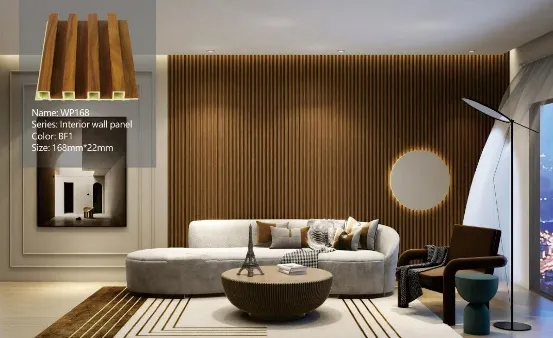
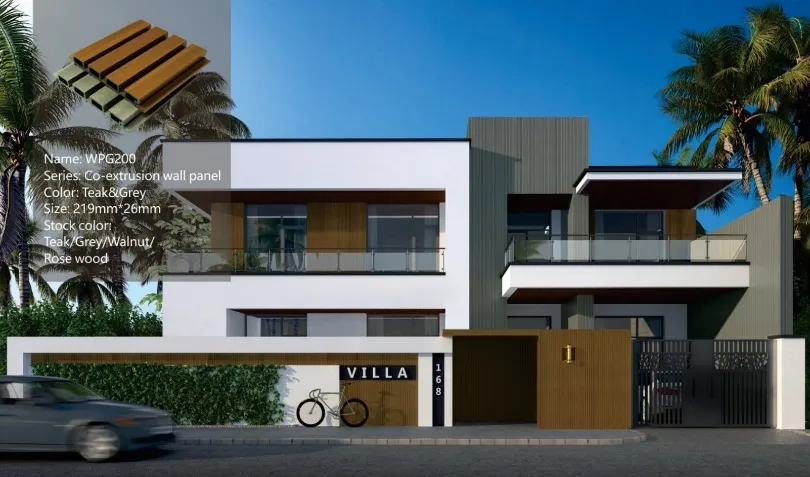
WPC, or Wood-Plastic Composite, is a innovative material that blends wood fiber (or plant-based cellulose) with recycled plastic polymers, along with additives like UV stabilizers, pigments, and coupling agents. The result is a durable, versatile product that combines the best of wood and plastic: the natural look and feel of wood, with the water resistance, strength, and low maintenance of plastic. WPC wall panels are designed specifically for interior and exterior wall cladding, offering a sleek, modern aesthetic that works in homes, offices, restaurants, and more. But what really sets them apart—especially for indoor air quality—is their low-VOC composition.
Traditional wall panels, such as plywood or particleboard, are often bonded with adhesives that contain formaldehyde, a known VOC and carcinogen. These panels release formaldehyde gas over time, a process called "off-gassing," which can linger for years. WPC wall panels, on the other hand, are manufactured using a extrusion or compression molding process that requires little to no added formaldehyde. The wood fiber and plastic are heated and fused together under high pressure, creating a strong bond without the need for harmful adhesives. Many reputable WPC wall panel suppliers also prioritize using recycled plastics and sustainable wood fibers, making the material eco-friendly as well as low-VOC. For example, a quality WPC wall panel solution might use 50% recycled plastic (like polyethylene or polypropylene) and 50% wood fiber from responsibly sourced forests, ensuring both environmental and health benefits.
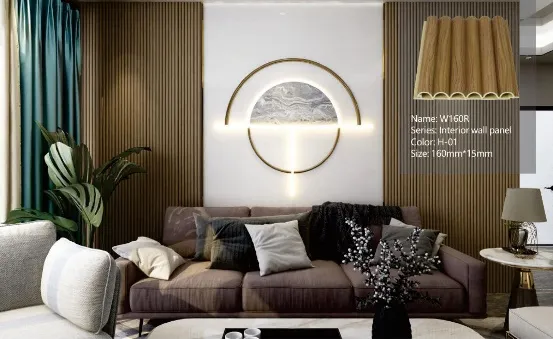
But WPC isn't just about being low-VOC—it's also highly functional. These panels are resistant to moisture, mold, and mildew, making them ideal for bathrooms, kitchens, or basements where humidity is a concern. They're easy to clean (just wipe with a damp cloth), and they don't require painting or staining, which means fewer chemicals introduced into your space over time. Plus, WPC wall panels come in a wide range of styles, from wood grain textures to solid colors, so you can achieve the look you want without compromising on air quality. Whether you're going for a rustic cabin vibe or a minimalist urban feel, there's a WPC solution to match.
VOCs are released from materials as they "cure" or age, and in traditional building products, this off-gassing can be significant. For example, standard MDF panels can emit formaldehyde at levels up to 0.3 ppm (parts per million), which exceeds the EPA's recommended limit of 0.1 ppm for indoor air. Over time, this constant exposure can lead to chronic health issues. WPC wall panels, by contrast, are engineered to minimize VOC emissions. Because they're made without formaldehyde-based adhesives and use heat-fused bonding instead, their VOC levels are typically well below regulatory standards—often as low as 0.02 ppm or less.
This low-VOC benefit isn't just about meeting regulations; it's about creating spaces where people can thrive. In a residential setting, choosing WPC wall panels means moving into a new home and being able to breathe easy from day one—no more waiting months for that "new house smell" (which is often just VOCs) to fade. For parents, it means less worry about their children crawling on floors or touching walls that might be off-gassing harmful chemicals. In commercial spaces like offices or retail stores, better air quality can boost employee productivity and customer comfort. Even in high-traffic areas, WPC panels hold up without releasing additional VOCs, ensuring consistent air quality over time.
Another key point: WPC wall panels are often certified by third-party organizations for low VOC emissions. Look for labels like GREENGUARD or CARB (California Air Resources Board) compliance, which indicate that the product has been tested and meets strict standards for chemical emissions. Reputable WPC wall panel suppliers will gladly provide these certifications, giving you peace of mind that you're choosing a product that's both safe and high-quality. When you invest in WPC wall panel solutions, you're not just buying a wall covering—you're investing in the health of everyone who will use that space.
To truly appreciate the low-VOC benefits of WPC wall panels, it helps to see how they stack up against traditional options. Let's take a closer look at some common wall materials and their VOC emissions:
| Material | VOC Emission Level (g/L) | Key Air Quality Concerns |
|---|---|---|
| WPC Wall Panels | ≤0.1 | Low formaldehyde, no added adhesives; minimal off-gassing |
| Bamboo Charcoal Board Wall Panels | ≤0.05 | Natural adsorption properties; actively reduces indoor VOCs |
| Class A Fireproof CPL Inorganic Boards (for hospitals/schools) | ≤0.03 | Inorganic composition; zero formaldehyde; fire-resistant and low-VOC |
| Standard Plywood | 0.2–0.5 | High formaldehyde from adhesives; long-term off-gassing |
| MDF (Medium-Density Fiberboard) | 0.3–0.8 | Very high formaldehyde content; significant off-gassing for years |
| Vinyl Wall Coverings (PVC-based) | 0.15–0.4 | May release phthalates and other VOCs; plasticizers can off-gas |
As the table shows, WPC wall panels are far lower in VOC emissions than traditional options like plywood or MDF. But they're not the only low-VOC player in the game. Bamboo charcoal board wall panels, for example, take things a step further. These panels are made by incorporating bamboo charcoal powder into the board's core, which acts as a natural air purifier. Bamboo charcoal has a porous structure that traps and neutralizes VOCs, formaldehyde, and even odors, actively improving indoor air quality rather than just not harming it. A bamboo charcoal board wall panel supplier might market these panels as "air-purifying walls," and for good reason—they can reduce indoor VOC levels by up to 30% over time, according to some studies.
Then there are class A fireproof CPL inorganic boards, which are designed for sensitive environments like hospitals and schools. "CPL" stands for Continuous Pressure Laminate, and these boards are made from inorganic materials like fiberglass and mineral cores, bonded with heat and pressure. They contain zero formaldehyde or organic compounds, making their VOC emissions virtually undetectable. Plus, as the name suggests, they're fireproof (Class A rating), which is critical for spaces where safety is paramount. For a hospital or school, choosing class A fireproof CPL inorganic board solutions means prioritizing both air quality and fire safety—two non-negotiables in these settings.
While WPC wall panels excel at minimizing VOC emissions, bamboo charcoal board wall panels take a proactive approach to improving indoor air quality. Bamboo charcoal is known for its exceptional adsorption capabilities—a result of its millions of tiny pores, which act like a sponge for air pollutants. When integrated into wall panels, this natural material works 24/7 to trap VOCs, odors, and even moisture, helping to keep the air fresh and clean.
How does it work? Bamboo charcoal is created by heating bamboo at high temperatures (around 800–1000°C) in an oxygen-free environment, a process that carbonizes the bamboo and creates its porous structure. When combined with wood fibers or other natural materials to form wall panels, the charcoal continues to adsorb pollutants from the air. Unlike air purifiers that require electricity and filters, bamboo charcoal board wall panels are passive—they work silently, without any ongoing costs or maintenance. This makes them a sustainable, long-term solution for improving IAQ.
Bamboo charcoal board wall panel suppliers often highlight their panels' versatility. They can be used in any room, from bedrooms to living areas, and they pair well with WPC panels for a cohesive look. For example, you might use WPC panels in high-moisture areas like the kitchen or bathroom, and bamboo charcoal panels in bedrooms or home offices where air purification is a top priority. Together, they create a space that's both stylish and healthy. Plus, bamboo is a fast-growing, renewable resource, so these panels are eco-friendly too—another win for the planet.
The Patel family had been dreaming of renovating their 1980s home for years, but they were hesitant after hearing horror stories about off-gassing from new materials. Their 8-year-old daughter, Mia, has asthma, and the last thing they wanted was to trigger her symptoms with high VOCs. After researching low-VOC options, they decided to use WPC wall panels in the kitchen and bathrooms, and bamboo charcoal board wall panels in the bedrooms and living room. "We were nervous at first—would the panels look cheap? Would they hold up?" admits Mr. Patel. "But from the moment they were installed, we noticed a difference. There was no chemical smell, and Mia's asthma attacks decreased significantly in the first month. Now, a year later, we're so glad we chose these materials. The house looks beautiful, and we don't worry about Mia breathing in harmful fumes."
Hospitals and schools have unique requirements when it comes to building materials. In hospitals, air quality can mean the difference between a patient recovering or developing an infection. In schools, it directly impacts students' ability to learn. That's why class A fireproof CPL inorganic boards have become a go-to choice for these settings. These boards are engineered to meet the strictest standards for both air quality and safety, making them ideal for environments where health and protection are non-negotiable.
As mentioned earlier, class A fireproof CPL inorganic boards are made from inorganic materials, which means they contain no organic compounds that could off-gas VOCs. Their core is typically composed of mineral fibers or cement, and they're laminated with a durable, decorative surface that resists scratches, stains, and moisture. The "Class A" fire rating means they're non-combustible and won't contribute to the spread of fire—a critical safety feature in crowded spaces like schools or hospitals. But what really sets them apart is their impact on air quality: with VOC emissions often below 0.03 g/L, they're one of the cleanest building materials available.
For hospitals, class A fireproof CPL inorganic board solutions offer additional benefits. They're resistant to bacteria and mold, which is essential for preventing the spread of infections. They're also easy to sanitize, as they can withstand harsh cleaning chemicals without deteriorating. In schools, these boards are durable enough to handle the wear and tear of daily student activity, and their low-VOC nature ensures that classrooms remain healthy learning environments. Many school districts now require class A fireproof CPL inorganic boards in new construction or renovations, recognizing their role in protecting both students and staff.
Choosing low-VOC wall panels like WPC, bamboo charcoal, or class A CPL inorganic boards is a great first step—but proper installation and maintenance are key to ensuring they continue to support healthy air quality over time. Here are some tips to keep in mind:
Installation: Even low-VOC panels can be affected by other materials used during installation. For example, using adhesives or sealants with high VOCs can undermine the benefits of your panels. Always choose low-VOC or VOC-free adhesives, and work with installers who are familiar with eco-friendly building practices. If possible, ventilate the space well during and after installation—open windows and use fans to help any residual VOCs (from other materials) dissipate quickly.
Maintenance: One of the advantages of WPC and bamboo charcoal panels is that they require minimal maintenance. For WPC panels, simply wipe them down with a damp cloth to remove dust or spills—avoid harsh chemicals, as they can damage the surface. Bamboo charcoal panels should also be kept clean, but they don't need any special treatments to maintain their adsorption properties. Over time, bamboo charcoal can become saturated with pollutants, but most manufacturers recommend replacing the panels every 5–10 years to ensure optimal performance. Class A fireproof CPL inorganic boards are even more low-maintenance—they're resistant to stains and moisture, so regular cleaning with mild soap and water is usually sufficient.
Long-Term Care: To maximize the lifespan of your panels, avoid exposing them to extreme temperatures or direct sunlight for prolonged periods (though WPC panels often have UV stabilizers to resist fading). For exterior WPC applications, check with your supplier about weather resistance and maintenance tips. With proper care, most low-VOC wall panels can last 15–20 years or more, making them a cost-effective investment in your health.
WPC wall panels, bamboo charcoal board wall panels, and class A fireproof CPL inorganic boards are versatile enough to be used in almost any setting. Let's explore some of their most impactful applications:
Residential Spaces: From single-family homes to apartments, these panels are transforming how we design living spaces. Homeowners are choosing WPC panels for accent walls, bedrooms, and basements, while bamboo charcoal panels are popular in nurseries and home offices. The low-VOC nature of these materials makes them ideal for families, pet owners, and anyone with allergies or respiratory issues.
Commercial Buildings: Offices, restaurants, and retail stores are also embracing low-VOC panels. In restaurants, WPC panels are valued for their moisture resistance and easy cleaning, while bamboo charcoal panels help keep dining areas smelling fresh. In offices, better air quality has been linked to higher employee satisfaction and lower sick days—making these panels a smart investment for businesses.
Hospitals and Schools: As discussed, class A fireproof CPL inorganic boards are a staple in these settings. Hospitals use them in patient rooms, corridors, and operating theaters, where cleanliness and fire safety are critical. Schools install them in classrooms, libraries, and cafeterias, ensuring that students learn in a healthy environment free from harmful VOCs.
Greenwood Elementary School in Oregon was struggling with high absenteeism rates, particularly among students with asthma. The school's 1970s-era building had outdated wall panels and poor ventilation, leading to frequent complaints of headaches and congestion. In 2023, the school underwent a renovation, replacing all interior wall panels with class A fireproof CPL inorganic boards and WPC panels in common areas. Within six months, the school reported a 22% drop in asthma-related absences, and teachers noted improved focus among students. "The difference is night and day," said Principal Sarah Lopez. "We're not just building a better school—we're building healthier kids."
Indoor air quality is too important to ignore, and the materials we choose for our walls play a significant role in creating healthy spaces. WPC wall panels, bamboo charcoal board wall panels, and class A fireproof CPL inorganic boards offer a powerful solution: they minimize VOC emissions, resist moisture and mold, and in some cases, actively purify the air. Whether you're a homeowner, a business owner, or a facility manager, investing in these low-VOC options is an investment in the health and well-being of everyone who uses your space.
As awareness of indoor air quality grows, more and more suppliers are offering innovative, eco-friendly solutions. When shopping for wall panels, look for reputable WPC wall panel suppliers, bamboo charcoal board wall panel suppliers, and class A fireproof CPL inorganic board suppliers who prioritize transparency and third-party certifications. Ask about VOC emissions, materials sourcing, and sustainability practices—knowledge is key to making informed choices.
At the end of the day, our walls do more than just divide spaces—they shape the air we breathe. By choosing low-VOC options, we're not just creating beautiful interiors; we're creating environments where people can live, work, learn, and heal without compromise. So the next time you're planning a renovation or new build, remember: the best walls are the ones that keep you healthy. Breathe easier—choose low-VOC.
Recommend Products











