
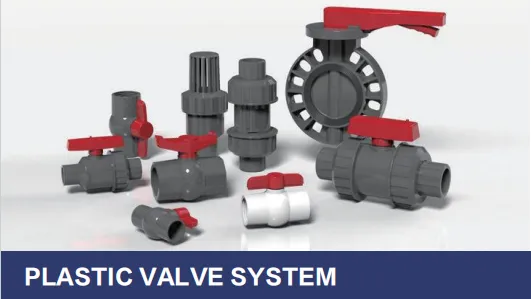
In the world of construction and building materials, few decisions carry as much weight as choosing the right suppliers. Whether you're working on a residential complex, a commercial high-rise, or a hospital renovation, the reliability of your material suppliers directly impacts project timelines, budget adherence, and even long-term safety. This is especially true for critical components like plastic valve systems, which play a silent yet vital role in plumbing, drainage, and HVAC systems. A subpar plastic valve system supplier can lead to leaks, system failures, and costly rework—headaches no project manager needs. So, how do you separate the trustworthy partners from the rest? Let's walk through a step-by-step guide to verifying the reliability of a plastic valve system supplier, with insights that apply to related suppliers like upvc pipe suppliers, pvc dwv pipe suppliers, and even Saudi Arabia building materials suppliers operating in regional markets.
Reliability rarely happens overnight. A plastic valve system supplier with a proven track record is far more likely to deliver consistent quality than a new entrant with little history. Begin by digging into the company's background. How long have they been in business? What's their core focus—residential, commercial, or industrial projects? For example, a supplier specializing in hospital-grade materials might have stricter quality controls than one focused solely on residential plumbing.
Regional experience matters too. If your project is in Saudi Arabia, partnering with a Saudi Arabia building materials supplier familiar with local regulations, climate challenges (like extreme temperatures), and construction norms can save you from compliance headaches. Ask for a portfolio of completed projects: Have they worked on large-scale commercial buildings, or do they focus on smaller residential projects? A supplier that lists both "residential building materials supplier" and "commercial building materials supplier" in their offerings likely has the versatility to handle diverse project needs.
Don't shy away from asking about their founding story. A family-owned business with decades of experience might prioritize long-term relationships, while a newer company might offer innovative technologies but less proven stability. Both can be reliable—what matters is alignment with your project's priorities.
At the heart of any reliable plastic valve system supplier is the quality of their products. Plastic valves, upvc pipes, and pvc dwv pipes are not just commodities—they're critical to a building's functionality and safety. To verify quality, start with certifications.
Look for compliance with international standards like ASTM (e.g., ASTM D2846 for CPVC pipes), DIN (such as DIN standard PN10 for PVC fittings), or ISO. For specialized projects, check for industry-specific certifications: Class A fireproof ratings for hospitals or schools, for instance, or water efficiency certifications for residential buildings. A supplier that readily provides test reports—on pressure resistance, chemical compatibility, or durability—demonstrates transparency and confidence in their products.
Material integrity is another red flag. Ask about raw material sourcing: Do they use virgin plastics, or recycled materials that might compromise strength? For example, upvc pipes used in potable water systems require high-purity materials to avoid contamination. A reputable upvc pipe supplier will be happy to share details about their material suppliers and quality control processes.
Don't hesitate to request samples. A simple visual inspection can reveal inconsistencies in wall thickness (critical for pvc dwv pipes, which handle waste water pressure), smoothness of internal surfaces (to prevent clogs), or finish. For valves, test for smooth operation and tight seals—even a small leak can lead to water damage or mold growth in walls or ceilings.
A plastic valve system supplier might have great products on paper, but if they can't deliver on time, your project schedule will suffer. Manufacturing capabilities and supply chain stability are key here. Start by asking about production capacity: What's their monthly output for plastic valves? Can they scale up if your project requires additional materials mid-phase?
Visit their production facilities if possible. A well-organized factory with modern machinery, clean workspaces, and systematic quality checks (like automated pressure testing for valves) is a good sign. If an in-person visit isn't feasible, request a virtual tour or photos of the production line. You want to see evidence of quality control at every stage—from raw material inspection to final packaging.
Raw material sourcing is another critical link. Does the supplier have diversified sources for key inputs, or do they rely on a single vendor? In today's global market, supply chain disruptions (like resin shortages) are common. A supplier with backup suppliers or in-house raw material storage is better equipped to weather these storms. For example, a pvc dwv pipe supplier that stockpiles PVC resin during stable market conditions is less likely to delay your order during a shortage.
Logistics matter too, especially for regional projects. A Saudi Arabia building materials supplier with local warehouses or partnerships with reliable logistics firms can ensure faster delivery times and lower transportation costs. Ask about their delivery timelines for bulk orders: Can they commit to a 2-week lead time, or do they have a history of delays? A supplier that provides a detailed delivery schedule with contingency plans (e.g., alternative shipping routes) shows they value your project's timeline.
Nothing speaks louder than a satisfied customer. A reliable plastic valve system supplier should be able to provide references or case studies from past clients. Don't just ask for testimonials—request contact information for project managers or contractors who have worked with them. A quick call to a former client can reveal insights you won't find in a polished sales brochure.
Ask clients about their experience with the supplier's communication: Were they responsive to questions? Did they provide clear updates on order status? How did they handle issues, like a delayed shipment or a defective product? A supplier that resolves problems proactively (e.g., replacing faulty valves at no cost) is worth their weight in gold.
Case studies are equally telling. Look for projects similar to yours. If you're building a hospital, a case study about a supplier's work on a healthcare facility—using Class A fireproof cpl inorganic boards or specialized valves—can demonstrate their expertise. For commercial projects, ask about high-rise buildings or shopping malls where the supplier provided "commercial building materials supplier" services. Did their products perform as expected over time? Were there any post-installation issues?
Online reviews can also help, but take them with a grain of salt. Platforms like Google My Business or industry forums may have mixed feedback, but consistent complaints (e.g., "never returns calls" or "products failed within a year") are warning signs. Conversely, repeated praise for "reliable deliveries" or "excellent technical support" is a good indicator.
Even the best products can face issues post-installation. That's why after-sales service and technical support are critical for a plastic valve system supplier. Start by asking about their warranty policy: Do they offer a 5-year warranty on valves, or is it limited to 1 year? What does the warranty cover—manufacturing defects only, or also premature wear and tear?
Technical support is equally important, especially for complex installations. Does the supplier have a team of engineers available to answer questions about product compatibility (e.g., "Can this plastic valve work with upvc pipes from another brand?") or installation best practices? A supplier that provides on-site technical assistance during installation (for large projects) shows they're invested in your success.
Consider long-term support too. Will they help with maintenance or replacement parts down the line? For example, if a valve fails after 3 years, can they quickly supply a replacement part, or will you have to source it from a third party? A supplier that stocks spare parts for older product lines demonstrates commitment to their customers beyond the initial sale.
Training is another bonus. Some suppliers offer workshops for contractors on proper installation techniques for their products (e.g., how to correctly solvent-weld upvc pipes to avoid leaks). This not only ensures your team uses the products correctly but also builds trust in the supplier's expertise.
Price is always a factor, but it shouldn't be the only one. A plastic valve system supplier offering rock-bottom prices might cut corners on material quality or skip critical testing. Instead of focusing solely on cost, evaluate "value for money"—the balance between price, quality, service, and reliability.
Request detailed quotes from multiple suppliers, breaking down costs by product (e.g., plastic valves, upvc pipes, fittings). Be wary of vague quotes that don't specify quantities, delivery fees, or warranty terms. A transparent supplier will itemize every cost, so you know exactly what you're paying for.
Consider the long-term costs of choosing a cheaper supplier. For example, a low-cost pvc dwv pipe might save you 10% upfront, but if it cracks after 5 years, the cost of replacing it (including labor, wall repairs, and potential water damage) could be 10 times higher. A slightly pricier pipe with a 20-year warranty and proven durability is often the better investment.
Negotiate, but don't push too hard. A supplier that agrees to unrealistic price cuts may compromise on quality to maintain margins. Instead, look for volume discounts, loyalty programs, or bundled deals (e.g., buying plastic valves and upvc pipes from the same supplier for a discounted rate). A supplier willing to work with you on pricing while maintaining quality is a partner worth keeping.
| Verification Aspect | Questions to Ask the Supplier | Why It Matters |
|---|---|---|
| Company Experience | How long have you been in business? What types of projects (residential/commercial) have you supplied? | Experience indicates familiarity with industry challenges and client needs. |
| Product Certifications | Do your plastic valves meet ASTM/DIN standards? Can you provide Class A fireproof certifications for relevant products? | Certifications ensure compliance with safety and quality norms. |
| Manufacturing Capacity | What is your monthly production capacity for plastic valves? Do you have backup suppliers for raw materials? | Avoids delays due to insufficient supply or supply chain disruptions. |
| Customer References | Can you share contact details of clients who used your products for similar projects? | Firsthand feedback reveals reliability, communication, and problem-solving skills. |
| After-Sales Support | What is your warranty policy? Do you offer technical support for installation? | Ensures long-term product performance and assistance when issues arise. |
Choosing a reliable plastic valve system supplier is not a decision to rush. It requires due diligence, curiosity, and a focus on long-term partnership rather than short-term convenience. By checking company background, product quality, manufacturing capabilities, customer feedback, and after-sales support, you can minimize risks and set your project up for success.
Remember, the best suppliers are those who view your project as their own. They'll ask questions about your needs, offer tailored solutions (like custom valve sizes for unique plumbing layouts), and communicate openly when challenges arise. Whether you're a contractor in Saudi Arabia seeking a "Saudi Arabia building materials supplier" or a developer sourcing upvc pipes for a residential complex, prioritizing reliability will save you time, money, and stress in the long run.
At the end of the day, a reliable supplier isn't just a vendor—they're a partner in building something lasting. Take the time to verify, and you'll build not just structures, but relationships that endure.
Recommend Products












