



If you've ever walked into a modern office, a trendy café, or a newly renovated home and admired the sleek, durable wall panels that seem to effortlessly blend style with resilience, chances are you've encountered WPC wall panels. Short for Wood-Plastic Composite, these panels have become a go-to choice for architects, contractors, and homeowners alike—thanks to their resistance to moisture, termites, and warping, not to mention their eco-friendly edge (they're often made from recycled wood fibers and plastic). But here's the thing: not all WPC wall panel suppliers are created equal. Choose the wrong one, and you could end up with panels that crack within months, delivery delays that derail your project, or even safety risks that put your clients at risk. That's why verifying a supplier's credibility isn't just a "nice-to-do"—it's the foundation of a successful partnership. Let's walk through the steps to ensure you're teaming up with a supplier you can trust.
1. Start by Getting Crystal Clear on Your Own Needs
Before you even start scrolling through supplier directories, take a step back and ask: What exactly do I need? Credibility isn't one-size-fits-all—a supplier that's perfect for a small residential project might flounder when faced with a large commercial build, and vice versa. Let's break this down:
- Project type: Are you working on a residential space (like a home renovation) or a commercial one (an office building, hotel, or retail store)? Commercial projects often demand stricter certifications (think fire resistance or anti-microbial properties) than residential ones. For example, if you're specifying panels for a hospital wing, you might need to pair WPC panels with specialized solutions like Class A fireproof CPL inorganic boards—so a supplier that only offers basic WPC panels might not cut it.
- Panel specs: Thickness (from 8mm to 20mm), color (natural wood grains, solid neutrals, or custom hues), texture (smooth, embossed, or rustic), and performance needs (waterproof for bathrooms, scratch-resistant for high-traffic areas). A credible WPC wall panel supplier will ask you these questions upfront—not just push a "one-size-fits-all" product.
- Scale and timeline: Do you need 50 panels for a small café, or 5,000 for a multi-story apartment complex? Can the supplier meet your delivery deadline, or will delays throw off your construction schedule? A supplier with limited production capacity might promise the moon but fail to deliver when it counts.
By mapping out these details, you'll avoid wasting time on suppliers that can't meet your core needs—and you'll have a clear checklist to measure potential partners against.

2. Dig Into Their Track Record: Experience and Reputation Matter
In the world of building materials, experience is often a good indicator of reliability. A WPC wall panel supplier that's been in business for a decade has likely weathered market fluctuations, refined their production processes, and learned how to handle tricky client requests. But how do you separate the seasoned pros from the fly-by-night operations?
Check Their Tenure (But Don't Stop There)
A quick Google search or a glance at their website's "About Us" page should tell you how long they've been around. Look for phrases like "Established in 2010" or "Serving the industry for 15+ years." But tenure alone isn't enough—plenty of new suppliers are innovative and reliable, while some older ones might be stuck in outdated practices. That's where reputation comes in.
Scour Client Testimonials and Case Studies
A credible supplier won't shy away from sharing client feedback. Look for detailed case studies on their website: Did they supply panels for a high-profile project (a local mall, a school, or a hotel chain)? What challenges did they overcome (tight deadlines, custom color matching)? If possible, reach out to those clients directly. Ask: "Did the panels arrive on time?" "Were there any quality issues post-installation?" "How responsive was the supplier when problems arose?"
Pro tip: Be wary of generic testimonials like "Great service!"—those are easy to fabricate. Look for specifics: "The WPC panels for our restaurant's outdoor patio have held up through two monsoon seasons with zero warping" or "Their team adjusted the panel thickness mid-project to meet our fire code requirements—no extra charge."

3. Inspect the Quality: Samples, Certifications, and Third-Party Tests
At the end of the day, the proof is in the product. A WPC wall panel supplier can talk a big game about "premium quality," but you need to see (and test) the panels for yourself. Here's how:
Request Samples (and Put Them Through the Wringer)
Any reputable supplier will send free samples—no strings attached. Once you have them, don't just admire them on your desk: Test them. Scratch the surface with a key (it should resist marks). drop a few drops of water on them and let it sit overnight (no swelling or discoloration means good moisture resistance). Bend a corner gently (it should flex without cracking—brittleness is a red flag). Compare samples from multiple suppliers side by side; you'll notice differences in weight (heavier panels often mean denser, higher-quality composite), finish (uniform color vs. splotchy), and edge smoothness (rough edges can make installation a nightmare).
Check for Certifications (They're Non-Negotiable)
Certifications are like a supplier's report card—they prove their panels meet industry standards for safety, durability, and sustainability. Here are the ones to watch for:
| Certification | What It Means | Why It Matters |
|---|---|---|
| ISO 9001 | The supplier has a quality management system in place, ensuring consistent production standards. | Reduces the risk of batch-to-batch inconsistencies (e.g., one panel is thick, the next is thin). |
| CE Marking | Compliance with European safety, health, and environmental requirements (critical for EU projects). | Ensures panels meet strict safety norms, like low formaldehyde emissions. |
| ASTM D7031 | Tests for flexural strength (how much the panel can bend without breaking). | Important for high-traffic areas where panels might be bumped or leaned on. |
If your project has specific needs—say, fire resistance for a school or hospital—ask for specialized certifications. For example, if you're working on a hospital, you might need panels that pair well with Class A fireproof CPL inorganic boards (a type of panel designed to resist flames and smoke). A credible supplier will either offer these complementary solutions directly or partner with trusted suppliers to deliver a cohesive package.

4. Assess Production Capacity and Supply Chain Stability
Imagine this: You've signed a contract, paid a deposit, and your project is halfway through—when the supplier calls to say, "Sorry, we can't fulfill the order. Our factory burned down." Nightmare, right? To avoid this, you need to peek behind the curtain at the supplier's production setup and supply chain.
Ask About Their Factory (and Visit If Possible)
A supplier with a legitimate operation will be happy to share details about their manufacturing facility: Where is it located? How large is it? What kind of equipment do they use (modern extrusion machines vs. outdated tools)? If you're local, request a tour—you'll get a feel for their organization (Is the factory clean? Are workers wearing safety gear? Are there quality control checkpoints on the production line?). If you're overseas, ask for a virtual tour via video call.
Also, ask about production capacity: "What's your monthly output for WPC wall panels?" "Can you ramp up production if my order size increases mid-project?" A supplier that relies on third-party manufacturers (i.e., they're just a middleman) might struggle to answer these questions—and that's a red flag.
Check Raw Material Sourcing
WPC panels are made from wood fibers and plastic—so the quality of these raw materials directly impacts the final product. Ask: "Where do you source your wood fibers and plastic from?" "Do you have long-term contracts with your suppliers?" A supplier that bounces between cheap, untested raw material sources is more likely to produce inconsistent panels. On the flip side, one that partners with reputable suppliers (e.g., certified recycled plastic providers) is invested in quality from the start.
5. Evaluate Customer Service and After-Sales Support
A supplier's job shouldn't end when the panels are delivered. What happens if a panel arrives damaged? Or if your installer has questions about cutting the panels to size? A credible WPC wall panel supplier will stand by their product—and their service.
Test Their Responsiveness
Pay attention to how quickly they reply to your emails or calls during the initial inquiry phase. If they take three days to answer a basic question about pricing, imagine how slow they'll be when you have an urgent issue on-site. A good rule of thumb: They should respond within 24 hours (48 at most for weekends).
Ask About Warranties and After-Sales Policies
Warranties are a window into a supplier's confidence in their product. A one-year warranty might be standard, but some suppliers offer 5–10 years for residential projects, or even 15 years for commercial ones. Read the fine print: What does the warranty cover (manufacturing defects, color fading, warping)? What's excluded (damage from improper installation)? Also, ask about returns: "If a batch of panels is defective, how quickly will you replace them?" "Who covers the shipping costs for returns?"
Bonus points if the supplier offers technical support: Do they provide installation guides, or can they send a technician to train your team? This is especially valuable if you're working with a new type of WPC panel (e.g., one with a specialized finish or thickness).
6. Look for a "One-Stop" Mindset (If It Fits Your Needs)
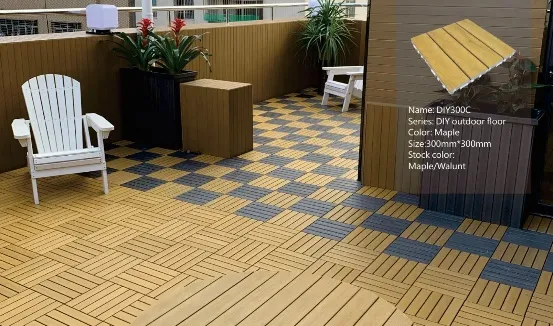
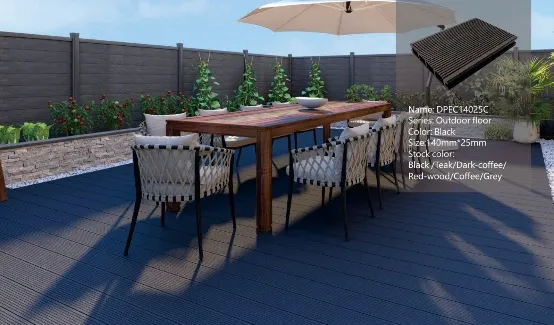
Here's a little secret: Many of the best WPC wall panel suppliers aren't just selling panels—they're offering solutions. If you're working on a large project, partnering with a one-stop architectural solution provider can save you time, money, and headaches. These suppliers often offer complementary products like flooring solutions (waterproof WPC flooring to match your wall panels), ceiling panels, or even doors—so you can source everything from one partner, streamlining communication and reducing the risk of mismatched materials.
For example, if you're building a boutique hotel, a one-stop supplier might provide WPC wall panels for the lobby, WPC flooring for the hallways, and even specialized solutions like Class A fireproof CPL inorganic boards for the conference rooms (which need extra fire protection). This integrated approach not only simplifies logistics but also ensures all products are tested to work together—no more worrying if the flooring adhesive will react badly with the wall panel finish.
Final Thoughts: Trust Your Gut (But Back It Up With Data)
At the end of the day, verifying a WPC wall panel supplier's credibility is a mix of due diligence and intuition. You can check all the boxes—great samples, glowing testimonials, a spotless factory—but if something feels off (they're pushy about signing a contract before answering your questions, or their pricing is suspiciously low), listen to that feeling. On the flip side, if a supplier ticks all the boxes and makes you feel confident that they have your project's best interests at heart, you're probably onto a winner.
Remember: This isn't just about buying panels—it's about building a partnership. A credible WPC wall panel supplier will see your success as their success, and work with you to overcome challenges, meet deadlines, and deliver a finished product that makes everyone proud. Take the time to verify, and you'll be rewarded with a smooth project, happy clients, and panels that stand the test of time.









