
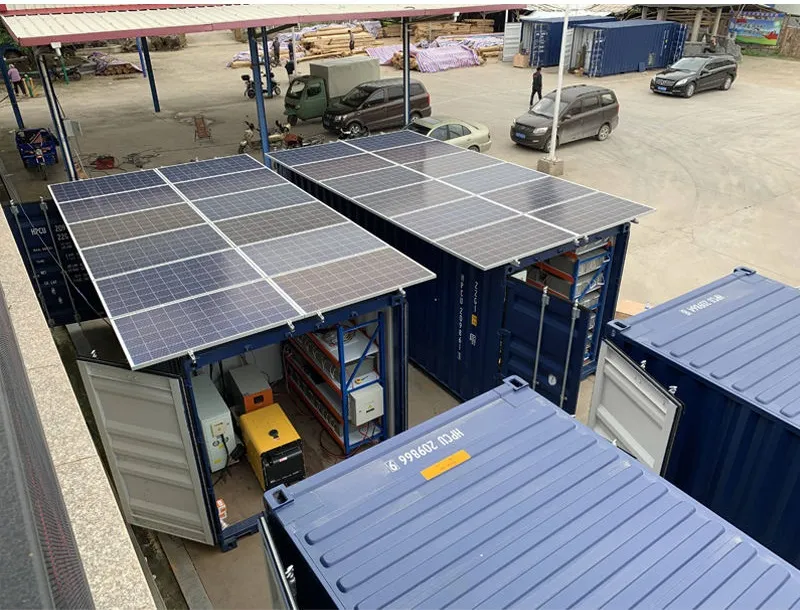
Imagine spending your hard-earned money on solar panels, only to discover your supplier couldn't actually manufacture what they promised. Unfortunately, this scenario plays out too often as solar energy booms. Counterfeit suppliers with inflated capacity claims drain budgets and delay projects. This comprehensive guide cuts through the noise to give you proven methods for validating a supplier's true production capabilities.
Solar suppliers frequently exaggerate production numbers to win contracts. Without verification, you risk:
Verifying capacity separates true partners from marketing smoke-and-mirrors. Let's examine the concrete steps.
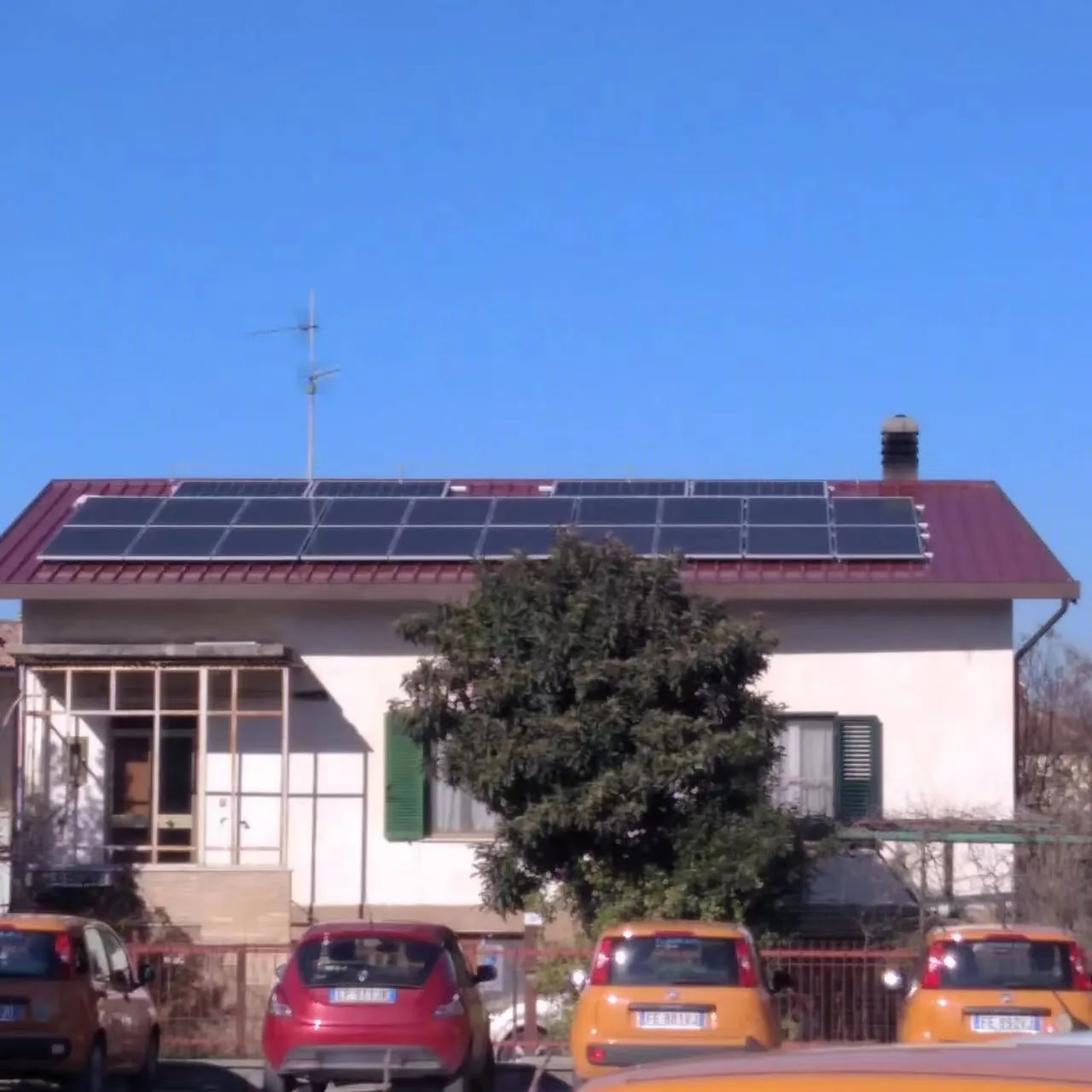
While IEC and UL certifications are standard, they only confirm technical compliance – not production volume. Take verification further by:
Remember: Certifications expire. Always check issue and expiration dates.
A supplier's physical infrastructure reveals more than spreadsheets. Require:
Pro Tip: Cross-reference satellite imagery (Google Earth) with claimed facility sizes.
Third-party audits are gold standards but can be manipulated. Insist on:
Warning: Single-focus audits miss secondary facilities. Require multi-site validation.
Capacity Trap: Many suppliers rent temporary facilities during inspections. Always verify property ownership/lease durations matching capacity claims.
Production requires capital. Validate with:
Red Flag: Suppliers avoiding financial disclosures often have something to hide.
Past performance predicts future capacity. Go beyond basic references:
Outdated facilities can't deliver modern capacity. Investigate:
Stat: Facilities using AI defect detection have 45% higher throughput consistency.
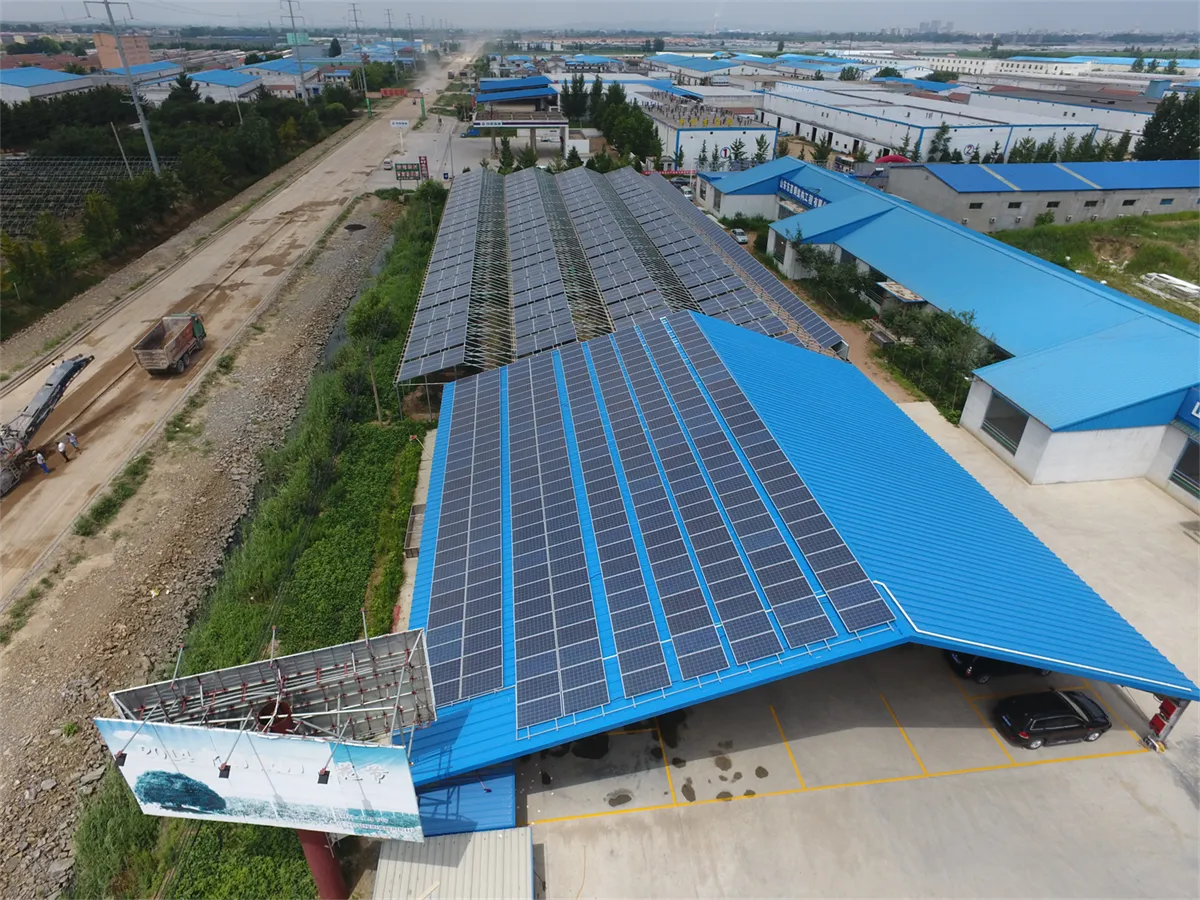
Turn verification from theory to practice:
Phase 1: RFQ Requirements
Include mandatory submission of production verification documents in your request for quotes. Disqualify suppliers who don't provide audit-ready evidence upfront.
Phase 2: Verification Escrow
Hold 15% of contract value in escrow until on-site verification completes. This funds travel expenses for your auditors.
Phase 3: Digital Monitoring
Implement IoT trackers on shipments and demand API access to production scheduling systems for large orders.
Treat this as a major red flag. While you may compromise with third-party audit reports initially, require on-site access before final payment. Suppliers with genuine capacity welcome scrutiny.
Combine video audits with verified third-party services like SGS or Bureau Veritas. Require live walkthroughs showing serialized equipment with operational employees. Use blockchain-secured documentation.
Watch for:
Verifying solar panel production capacity transforms from a defensive tactic to a strategic advantage. Partners who transparently demonstrate genuine capabilities become long-term assets to your energy projects. In an industry where 30% of suppliers exaggerate capacity claims, thorough verification prevents costly missteps while building supplier relationships based on truth rather than brochures. Equipped with these methodologies, you can confidently separate solar manufacturing partners from paper factories.
Recommend Products












