
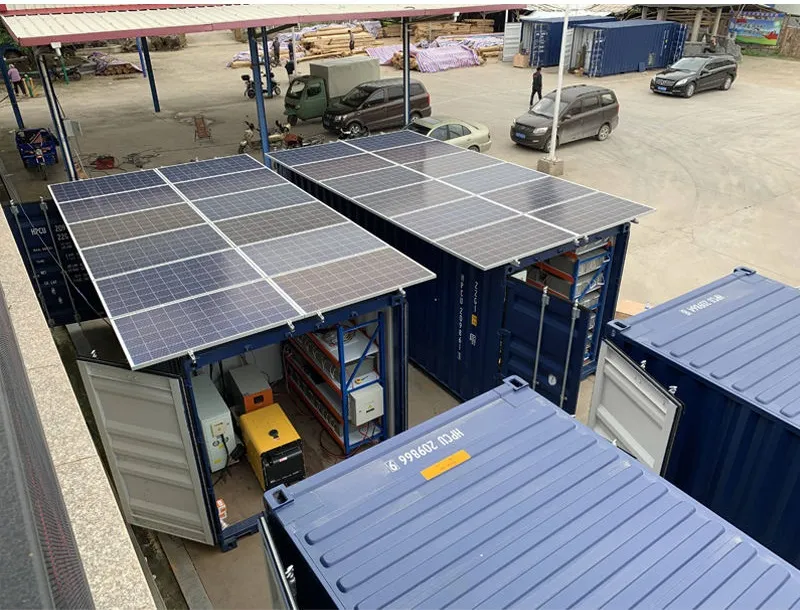
solar panel suppliers play a crucial role in renewable energy transitions, but not all provide legitimate certification documentation. Authenticity verification separates reputable partners from potential frauds compromising your project's integrity.
Three critical certifications demand verification:
1. IEC Certifications: International Electrotechnical Commission standards (IEC 61215/61730) validate panel durability and electrical safety. Look for holographic seals on documents - counterfeit versions often lack microscopic security patterns.
2. UL Certifications: Underwriters Laboratories certification includes QR verification codes. Scan them immediately using UL's online database. Pro tip: Cross-reference serial numbers against production batch records.
3. ISO Certifications: Quality management certifications require annual renewal. Check validity dates against the official ISO portal - expired certifications indicate outdated manufacturing processes.
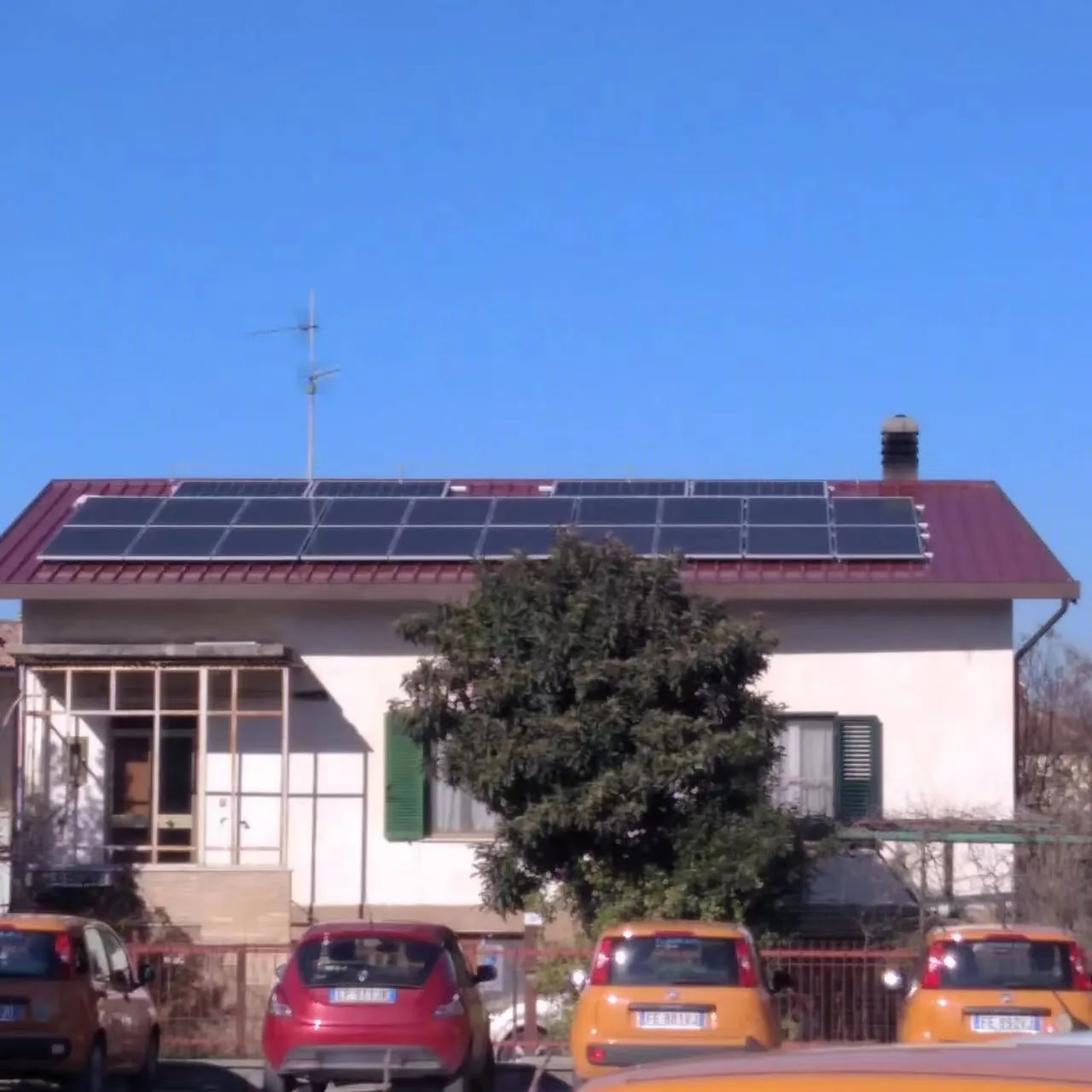
Step-by-step verification framework:
1. Source Validation: Directly contact certification bodies using official website contacts , not supplier-provided addresses. Certification officers will verify document legitimacy within 48 hours typically.
2. Cross-Referencing: Match technical specifications (wattage, temperature tolerance) between reports and actual product labels. Discrepancies >3% indicate potential tampering.
3. Forensic Analysis: Examine document metadata. Created/modified dates differing from issue dates reveal editing history. Watermark alignment inconsistencies are red flags.
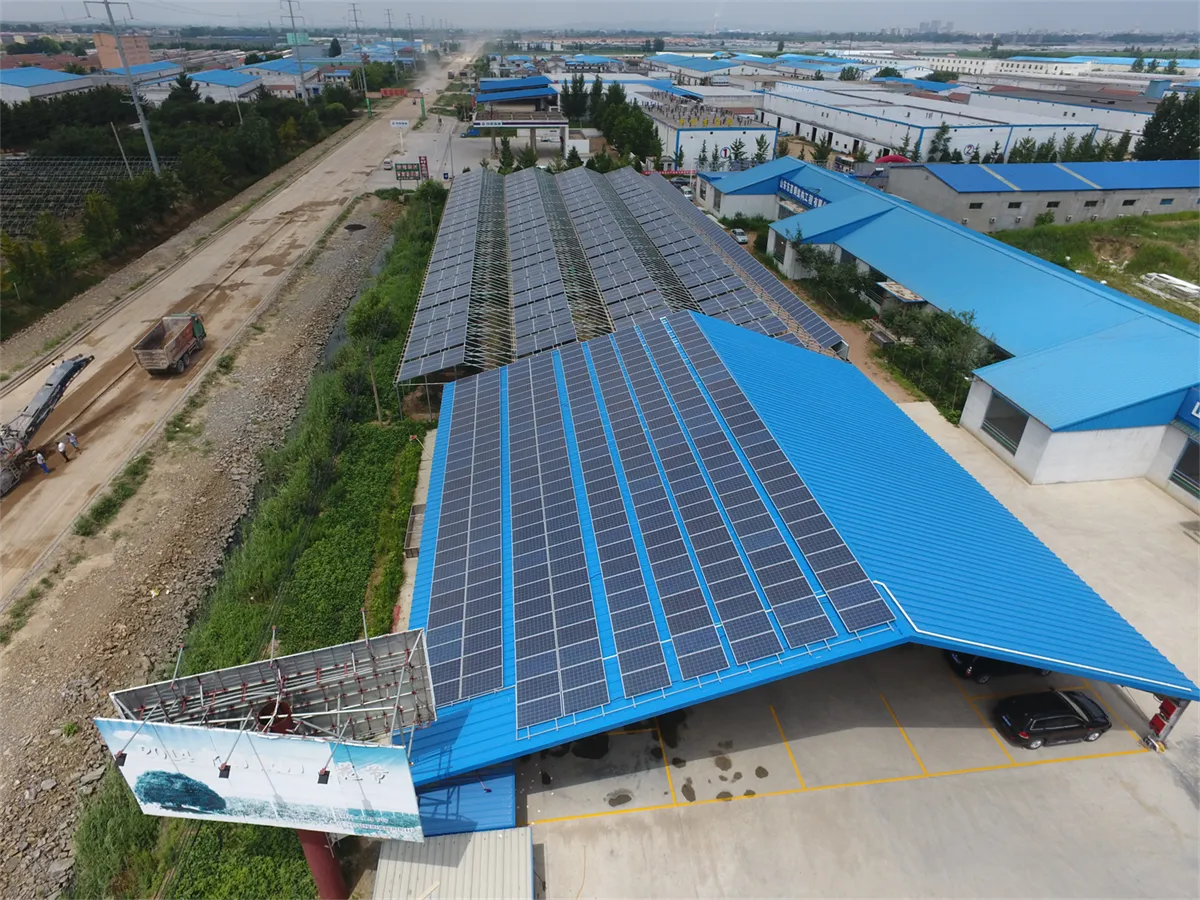
Incorporate these contractual clauses:
1. Certification Warranty: "Supplier guarantees all certifications are current, unaltered, and validated by issuing bodies." Include penalties of 15-20% contract value for violations.
2. Audit Rights: Reserve rights to inspect manufacturing facilities and certification archives. Legitimate suppliers welcome transparency.
3. Third-Party Escrow: Deposit certificates with neutral verification services like DNV GL before shipment release. Fees (0.5-1.5% of contract value) prevent costly litigation.
Remember: Reputable solar panel suppliers proactively share verification methods. Hesitation warrants investigation.
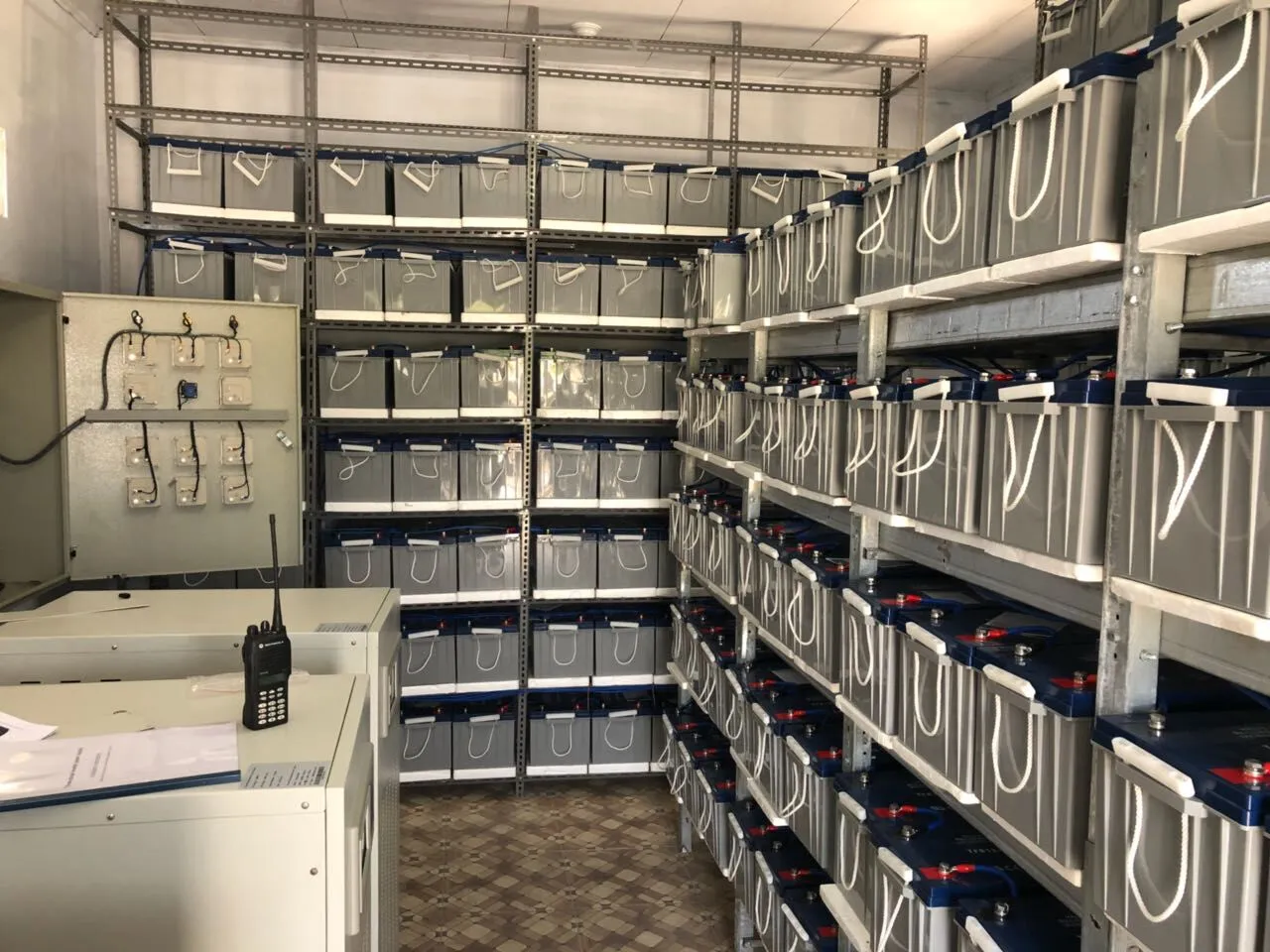
Leverage these platforms:
Practical tip: Establish supplier verification scores - reduce due diligence for partners with ≥95% historical document accuracy.
Immediately question reports with:
Certification is step one - validate real-world performance:
1. On-Site Testing: Conduct EL (electroluminescence) imaging of random samples from shipments. Hidden microcracks indicate substandard manufacturing despite certifications.
2. Energy Yield Analysis: Compare actual kWh output against certification predictions under identical conditions. >5% deviation warrants investigation.
3. Degradation Tracking: Monitor performance quarterly. Abnormal deterioration rates (<0.8% annually) may reveal certification/test mismatches.
Solar investments require diligent verification of certification documentation. By implementing layered authentication protocols and demanding transparency from solar panel suppliers , you protect investments worth hundreds of thousands in assets with decades-long operational horizons. Remember - valid certification is the minimum qualifying factor, not the sole selection criterion.
Proactive authentication prevents post-installation surprises that can undermine project bankability. Stay vigilant, verify meticulously, and build renewable futures on guaranteed performance.
Recommend Products












