

Walk into any modern building—whether it's a sleek commercial office in Riyadh, a cozy residential villa in Jeddah, or a bustling hotel in Dubai—and you'll likely notice one design element that ties the space together: the wall cladding. More than just a protective layer, wall cladding is the skin of a building, telling a story of style, functionality, and durability. Among the myriad options available today, MCM flexible cladding stone wall panels have emerged as a favorite for architects, contractors, and homeowners alike. Their unique blend of flexibility, aesthetics, and resilience makes them ideal for both interior and exterior applications. But with so many options flooding the market—from different textures and colors to varying quality standards—selecting the right MCM panels can feel overwhelming. That's where this guide comes in. We'll break down the expert tips you need to choose MCM flexible cladding stone wall panels that not only elevate your project's design but also stand the test of time.
Before diving into selection tips, let's start with the basics: What exactly are MCM flexible cladding stone wall panels? MCM, or Metal Composite Material, is a sandwich-structured material consisting of two thin metal sheets (usually aluminum) bonded to a non-aluminum core. When designed to mimic natural stone, these panels combine the strength of metal with the timeless beauty of stone—without the weight or brittleness of traditional stone cladding. The "flexible" aspect is key here: unlike rigid stone slabs, MCM panels can bend and adapt to curved surfaces, making them perfect for creative architectural designs, uneven walls, or retrofitting projects where structural flexibility is a must.
But why choose MCM over other cladding options? For starters, they're lightweight, which reduces structural load and installation costs. They're also highly durable, resistant to weathering, fading, and impact—qualities that make them suitable for harsh climates, from the scorching sun of Saudi Arabia to the humid coastal areas. Additionally, MCM panels offer unparalleled design versatility: they can be printed, painted, or textured to replicate granite, marble, travertine, or even wood grain, giving you the look of natural materials at a fraction of the cost. It's no wonder that top mcm flexible cladding stone wall panel suppliers often highlight these benefits when showcasing their mcm flexible cladding stone wall panel solutions .
Expert Insight: Not all MCM panels are created equal. The quality of the metal skins, the type of core material (polyethylene, mineral-filled, or fire-retardant), and the bonding process can drastically affect performance. Always ask suppliers for detailed material specifications.
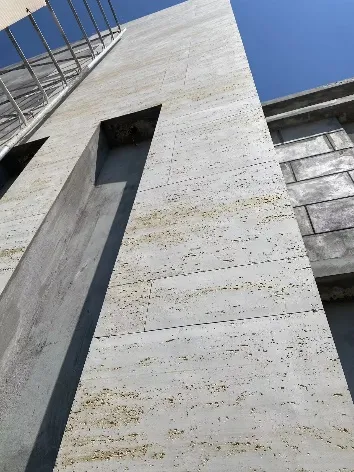
The first rule of selecting MCM panels is to prioritize material quality. A panel's longevity and performance depend heavily on its composition. Start by examining the metal skins: thickness matters. Most high-quality MCM panels use aluminum skins between 0.5mm to 0.7mm thick—thick enough to resist dents and corrosion but thin enough to maintain flexibility. Avoid panels with skins thinner than 0.3mm, as they may warp or puncture easily over time.
Next, look at the core material. Polyethylene (PE) cores are common for standard applications, offering a good balance of cost and flexibility. However, for high-risk areas like hospitals, schools, or commercial buildings where fire safety is critical, consider mineral-filled or fire-retardant cores. While MCM panels themselves may have fire ratings, some class a fireproof cpl inorganic board for hospital and school suppliers offer complementary solutions that can be used in conjunction with MCM cladding to enhance overall fire safety—a smart choice for projects with strict regulatory requirements.
Finally, check the bonding agent. The adhesive that holds the metal skins to the core should be high-strength and resistant to temperature fluctuations. Poor bonding can lead to delamination (separation of layers) over time, especially in extreme heat or cold. Reputable suppliers will use advanced bonding technologies, such as thermal fusion or pressure-sensitive adhesives, to ensure a permanent bond.
In construction, fire safety is non-negotiable. The last thing you want is for your beautiful cladding to become a fire hazard in an emergency. MCM panels are rated based on their fire performance, with Class A (the highest) indicating minimal flame spread and smoke production. When selecting panels, always verify their fire rating through independent testing certifications, such as ASTM E84 or EN 13501-1. This is especially important for commercial projects, where building codes are often stricter. For example, a commercial building materials supplier will typically require Class A or B ratings for exterior cladding, while a residential building materials supplier might have more flexibility for interior applications. Even if local codes allow lower ratings, investing in higher fire-resistant panels can reduce insurance costs and, more importantly, protect occupants in case of a fire.
Cladding is as much about aesthetics as it is about performance. MCM panels excel here, offering a wide range of finishes, colors, and textures. But before falling in love with a particular look, consider the project's overall design theme and environment. For a modern commercial office, a sleek, matte black MCM panel with a stone texture might convey professionalism and innovation. For a residential villa, warm earth tones replicating travertine could create a cozy, inviting atmosphere.
Don't forget to think about scale and proportion. Large-format MCM panels (e.g., 1200x2400mm) can make a bold statement on exterior walls, but they may feel overwhelming in small interior spaces. Conversely, smaller panels or mixed sizes can add visual interest to feature walls. It's also worth requesting physical samples from suppliers—colors and textures can look different on a screen than in person, especially under different lighting conditions. A good supplier will provide samples and even mock-ups to help you visualize how the panels will look in your space.
MCM panels are versatile, but they're not a one-size-fits-all solution. The environment where they'll be installed plays a huge role in selection. Outdoor cladding faces harsher conditions: UV radiation, rain, wind, and temperature extremes. For these applications, choose panels with enhanced UV resistance and weatherproof coatings to prevent fading or discoloration. Look for suppliers that test their panels for accelerated weathering (e.g., QUV testing) to ensure long-term color retention.
Indoor applications, while less exposed to the elements, have their own considerations. For high-traffic areas like shopping malls or hotel lobbies, prioritize scratch and impact resistance. For moisture-prone spaces like bathrooms or kitchens, opt for panels with water-resistant cores and edge-sealing treatments to prevent water infiltration. When working with a commercial building materials supplier , they may recommend specialized MCM panels for high-use areas, while a residential building materials supplier might focus more on aesthetic customization for home interiors.
Even the best MCM panels will underperform if installed incorrectly. Before selecting a panel, consult with your contractor to understand the installation process and whether the panel is compatible with your project's substrate (e.g., concrete, metal studs, or wood). MCM panels are typically installed using mechanical fastening (screws or clips) or adhesive methods. Flexible panels are easier to install on curved surfaces, but they still require proper support to prevent sagging or buckling.
Another consideration is the panel's weight. While MCM is lighter than natural stone, heavier panels may require additional structural support. Check the supplier's technical data sheet for weight per square meter and ensure your substrate can handle the load. Additionally, look for panels with interlocking systems or tongue-and-groove edges, which simplify installation and create a seamless finish.
No one wants to spend time and money on cladding that requires constant upkeep. MCM panels are low-maintenance by nature, but some require more care than others. For outdoor panels, a simple annual wash with mild soap and water is usually sufficient to remove dirt and grime. Indoor panels may need occasional dusting or wiping. Avoid panels with porous surfaces, as they can trap moisture and stains. Instead, choose smooth, non-porous finishes that resist mold and mildew growth.
Longevity is also key. High-quality MCM panels can last 30 years or more with proper care, while lower-quality options may start showing signs of wear within a decade. Ask suppliers about warranty periods—reputable ones will offer 10–20 year warranties on material defects and color fading. A strong warranty is a sign that the supplier stands behind their product's durability.
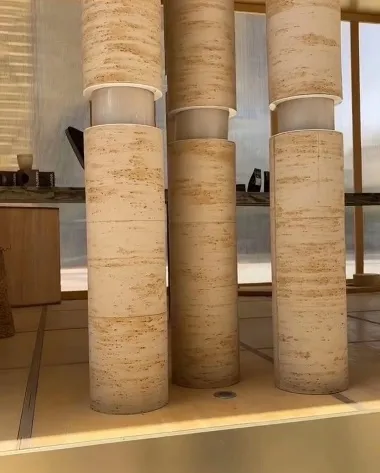
Once you've nailed down the panel specifications, the next step is choosing the right supplier. Your supplier isn't just a vendor—they're a partner in your project's success. Here's how to separate the best from the rest:
Start by researching the supplier's reputation. Look for reviews, case studies, and testimonials from past clients. Have they worked on projects similar to yours? Do they have experience in your region (e.g., understanding Saudi Arabia's building codes and climate)? A supplier with a proven track record is more likely to deliver consistent quality and reliable service. Don't hesitate to ask for references—reputable suppliers will be happy to connect you with satisfied customers.
The best mcm flexible cladding stone wall panel suppliers offer a wide range of products to suit different needs. Do they carry panels in various thicknesses, sizes, and finishes? Can they customize colors or textures to match your design vision? Customization is especially important for unique projects where off-the-shelf options won't cut it. Suppliers that invest in advanced manufacturing technologies (like digital printing or custom coating) are better equipped to deliver tailored solutions.
Building materials are heavily regulated, and MCM panels are no exception. Ensure your supplier's products meet local and international standards, such as ASTM, EN, or Saudi Arabian Standards Organization (SASO) certifications. For fire safety, look for panels tested to ASTM E108 (Class A) or EN 13501-1 (Class A2-s1, d0). If your project is in a region with strict environmental regulations, ask about eco-friendly certifications, such as LEED or Green Building Council approvals. A supplier that can provide clear, verifiable certifications is more trustworthy than one that makes vague claims about quality.
Even the most experienced contractors may need technical guidance. Does the supplier offer installation manuals, CAD drawings, or on-site support? What about after-sales service? If a panel is damaged during shipping or fails prematurely, will the supplier replace it promptly? A supplier that provides ongoing support shows they care about your project's success long after the sale.
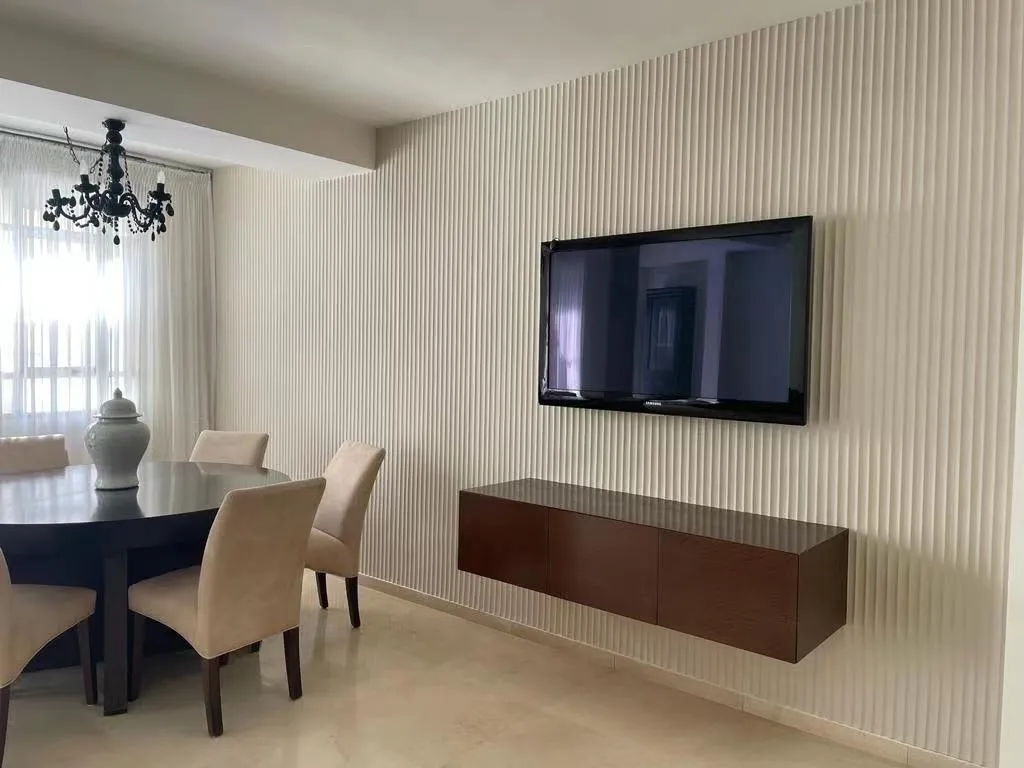
To help you see how MCM panels compare to other popular cladding options, we've put together a quick comparison table. This will give you a better sense of where MCM fits in your project's needs:
| Cladding Type | Flexibility | Weight (kg/m²) | Fire Rating | Best For | Maintenance |
|---|---|---|---|---|---|
| MCM Flexible Cladding Stone Wall Panels | High (bends to curves) | 3–5 | Class A (with fire-retardant core) | Modern commercial/residential, curved surfaces, exterior/interior | Low (annual wash) |
| PU Stone Wall Panels | Moderate | 4–6 | Class B | Indoor accent walls, low-rise exteriors | Moderate (avoid harsh chemicals) |
| WPC Wall Panels | Low (rigid) | 7–9 | Class C | Indoor use, moisture-prone areas (baths, kitchens) | Moderate (prone to scratching) |
| Bamboo Charcoal Board Wall Panels | Low | 5–7 | Class B | Eco-friendly interiors, residential spaces | Low (antibacterial properties) |
As the table shows, MCM panels stand out for their flexibility, lightweight design, and high fire rating—making them a top choice for a wide range of applications. While other options like PU stone or WPC panels have their merits, MCM offers the best balance of aesthetics, performance, and cost-effectiveness for most modern projects.

Even with careful planning, it's easy to fall into common pitfalls when selecting MCM panels. Here are a few mistakes to steer clear of:
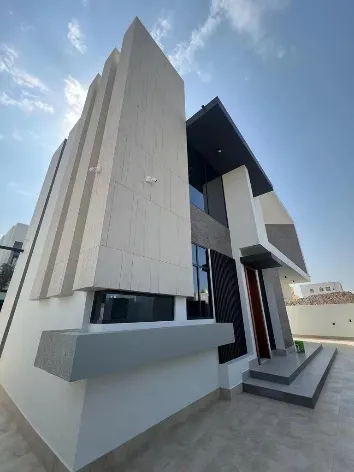
Selecting the right MCM flexible cladding stone wall panels is a decision that impacts your project's aesthetics, functionality, and long-term value. By focusing on material quality, fire safety, application environment, and supplier reliability, you can choose panels that transform your vision into reality. Remember, the goal isn't just to buy cladding—it's to invest in a solution that enhances your space for years to come. Whether you're a homeowner renovating your villa, an architect designing a commercial tower, or a contractor working on a public project, partnering with a trusted mcm flexible cladding stone wall panel supplier that offers tailored mcm flexible cladding stone wall panel solutions is key. With the expert tips in this guide, you're well-equipped to make an informed choice—one that you'll be proud of every time you look at your building's walls.
Recommend Products











