

Choosing the right building materials supplier can make or break your construction project—especially when it comes to specialized products like MCM flexible cladding stone wall panels. These panels, known for their durability, flexibility, and aesthetic appeal, are a popular choice for both residential and commercial architectural façade solutions. But with so many suppliers claiming to offer the best products, how do you separate the reliable partners from the ones that might leave you with delayed deliveries, subpar quality, or unexpected costs? In this guide, we'll walk you through everything you need to know to select an MCM flexible cladding stone wall panel supplier that aligns with your project's goals, budget, and timeline. Whether you're a contractor working on a high-rise commercial complex or a homeowner renovating your property, this step-by-step approach will help you make an informed decision.
Before diving into supplier selection, let's take a moment to appreciate why MCM panels have become a go-to option in modern construction. MCM, or Metal Composite Material, consists of two thin metal sheets (usually aluminum) bonded to a core material, often polyethylene. What makes them "flexible cladding stone wall panels" is their ability to mimic the look of natural stone while offering far greater versatility—they can be curved, bent, or cut to fit complex architectural designs, making them ideal for unique facades and interior walls. They're also lightweight, weather-resistant, and low-maintenance, which explains their popularity in both residential and commercial settings.
But here's the catch: not all MCM panels are created equal. The quality of the core material, the bonding process, the thickness of the metal sheets, and the finishing techniques can vary dramatically between suppliers. A substandard panel might warp under extreme temperatures, fade in sunlight, or fail to meet fire safety codes—issues that could lead to expensive repairs, project delays, or even safety hazards. That's why choosing a reputable supplier isn't just about getting a good price; it's about ensuring the longevity and success of your project. A reliable supplier will not only provide high-quality panels but also offer technical support, customization options, and after-sales service that can simplify your workflow and reduce stress.
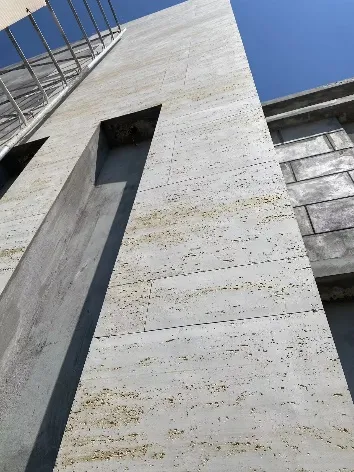
The first and most critical factor to check is the quality of the MCM panels themselves. Start by asking for detailed product specifications: What materials are used in the core and metal layers? What is the thickness of the panels? Do they meet international standards, such as ASTM, CE, or ISO certifications? For example, if your project is in Saudi Arabia, you'll want to ensure the panels comply with local building codes, which may include specific fire resistance or thermal insulation requirements. A trustworthy supplier will have no problem sharing test reports, certificates, or samples for you to inspect.
Fire safety is another non-negotiable. Many projects, especially commercial ones like hospitals or schools, require Class A fireproof materials. While MCM panels are generally fire-resistant, some low-quality options may not meet this standard. Ask the supplier if their panels have been tested for fire performance and request documentation to back it up. Similarly, if your project involves high-moisture areas (like coastal regions in Saudi Arabia), inquire about the panels' resistance to corrosion and water damage. A supplier that prioritizes quality will have invested in rigorous testing to ensure their products stand up to real-world conditions.
There's no substitute for experience. A supplier that has been in the business for 10+ years is likely to have refined their manufacturing process, built strong relationships with raw material providers, and encountered (and solved) common challenges. Ask potential suppliers about their track record: How many projects have they completed? What types of projects—residential, commercial, industrial? Can they share case studies or references from clients in Saudi Arabia or similar markets? A supplier that specializes in residential building materials might not be the best fit for a large-scale commercial project, and vice versa.
Don't hesitate to ask for photos or site visits of past projects. Seeing MCM panels installed in real buildings will give you a better sense of their color retention, texture, and overall performance. If a supplier claims to be a "one-stop architectural solution provider," check if they offer complementary products like flooring solutions or wall solutions, which can streamline your supply chain and reduce coordination efforts. A supplier with a diverse portfolio is often better equipped to handle complex projects with multiple material needs.
Every project has unique design requirements. Maybe you need MCM panels in a specific color to match your brand, or a custom size to fit an irregular façade. A good supplier should be able to accommodate these needs without excessive delays or costs. Ask about their customization process: What colors, finishes, and sizes are available? Can they produce panels with custom patterns or textures? How long does customization take, and what is the minimum order quantity (MOQ)?
For example, if you're working on a luxury residential project, you might want MCM panels that mimic the look of rare Switzerland stone or cloud stone. A supplier with advanced printing or coating technologies can achieve this level of detail. On the other hand, a commercial project might prioritize cost-effectiveness and quick turnaround, so a supplier with a large inventory of standard colors and sizes could be more suitable. The key is to find a supplier that balances customization with efficiency—one that listens to your needs and offers practical solutions, not just excuses.
Even the highest-quality panels won't help if they arrive weeks after your construction deadline. That's why production capacity and delivery reliability are critical factors. Ask the supplier about their manufacturing facilities: How many panels can they produce per month? Do they have backup production lines to handle sudden increases in demand? What is their typical lead time for standard and custom orders? For projects in Saudi Arabia, also inquire about their logistics network—do they have experience shipping to the region? Are they familiar with local customs procedures and documentation requirements?
A supplier with a global supply chain but no local presence in Saudi Arabia might struggle with delays due to shipping issues or paperwork errors. On the other hand, a supplier with a regional warehouse or partner in Saudi Arabia can often deliver faster and provide better support. Don't forget to discuss contingency plans: What happens if there's a delay in production or shipping? Will they compensate for lost time, or do they offer expedited shipping options? Clear communication about timelines upfront can save you from headaches later.
The relationship with your supplier shouldn't end once the panels are delivered. Look for a supplier that offers comprehensive after-sales support, including technical assistance during installation, troubleshooting for any issues that arise, and a solid warranty. A warranty is more than just a piece of paper—it's a sign that the supplier stands behind their product. Ask about the warranty terms: How long does it last? What does it cover (manufacturing defects, fading, peeling)? Are there any exclusions? A warranty that only covers material defects for one year might not be sufficient for a project with a 20-year lifespan.
Installation support is another valuable perk. MCM panels require specific techniques to ensure proper adhesion and longevity. Does the supplier offer installation guides, training for your team, or on-site support from technical experts? Some suppliers even partner with certified installers, which can reduce the risk of errors during installation. Remember, a supplier that invests in your success after the sale is more likely to be a reliable partner for future projects.
To make the selection process easier, let's compare three hypothetical MCM flexible cladding stone wall panel suppliers based on the factors we've discussed. This table will give you a sense of how different suppliers stack up and what to look for in your own evaluations.
| Criteria | Supplier A: Regional Expert | Supplier B: Global One-Stop Provider | Supplier C: Budget-Focused New Entrant |
|---|---|---|---|
| Years in Business | 15 years (specializing in Saudi Arabia) | 25 years (global presence) | 3 years |
| Certifications | ASTM, CE, Class A fireproof | ASTM, CE, ISO 9001, LEED | Basic ASTM (no fire safety certs) |
| Project Types | Residential and commercial (local landmarks) | All types (hospitals, airports, skyscrapers) | Small residential only |
| Customization | Limited colors, custom sizes (MOQ 500 sqm) | Full customization (colors, textures, sizes; MOQ 100 sqm) | No customization (standard only) |
| Lead Time | 2-3 weeks (local warehouse) | 4-6 weeks (imported from Europe) | 1-2 weeks (small production) |
| Warranty | 10-year material warranty | 15-year warranty (includes installation support) | 1-year warranty (material only) |
| Additional Services | Local installation partners | One-stop solutions (flooring, doors, windows) | No additional services |
As you can see, Supplier B, the global one-stop provider, offers the most comprehensive package, including full customization and a long warranty, but has a longer lead time. Supplier A is ideal for local Saudi Arabia projects with moderate customization needs, while Supplier C might appeal to budget-conscious buyers but lacks critical certifications and support. Your choice depends on your project's priorities: Is speed the most important factor, or is long-term durability and support non-negotiable?
A construction firm in Riyadh was tasked with building a 20-story residential tower with a modern stone-inspired façade. They chose an MCM flexible cladding stone wall panel supplier that advertised "low costs and fast delivery." However, after installation, the panels began to fade within six months of exposure to Saudi Arabia's intense sunlight. Upon investigation, the supplier had used low-quality paint and skipped UV resistance testing. The firm had to replace all panels at a cost of 30% over the original budget, delaying the project by four months.
Lesson learned: Prioritize quality over price. A slightly higher upfront cost for UV-resistant panels from a supplier with Class A fireproof and weather testing certifications would have saved time and money in the long run.
A developer in Jeddah wanted to create a unique façade for a new shopping mall using MCM panels that mimicked the look of cloud stone. They selected a one-stop architectural solution provider with experience in custom stone finishes. The supplier provided samples, conducted on-site color matching, and even sent a technical team to train the installation crew. The project was completed on time, and the panels have maintained their appearance for three years, with no signs of fading or damage. The developer has since partnered with the same supplier for two more projects.
Lesson learned: A supplier that offers customization, technical support, and a proven track record can turn a complex design vision into reality.

Even with careful research, some suppliers may try to cut corners or mislead you. Here are some red flags to avoid:
Vague or Missing Certifications: If a supplier hesitates to provide test reports or certificates, or if their certifications are from unrecognized organizations, walk away. Legitimate certifications like ASTM or CE are not optional.
Refusal to Share References: A supplier with nothing to hide will happily connect you with past clients. If they claim "confidentiality" or can't provide a single reference, it's a sign they may have a history of poor performance.
Inconsistent Pricing: Be wary of suppliers who give drastically lower quotes than competitors without a clear explanation. This often indicates substandard materials or hidden fees (like shipping or customization charges) that will surface later.
Poor Communication: If emails take days to answer, phone calls go unreturned, or technical questions are met with vague answers, this is a preview of how they'll handle your project. A reliable supplier values clear, timely communication.
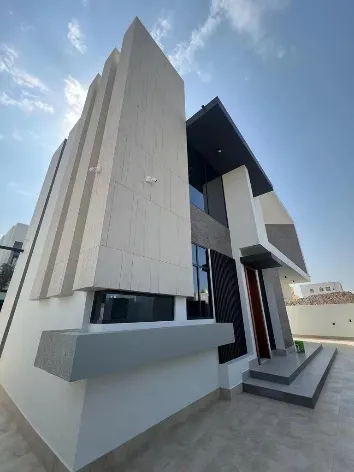
Selecting the right MCM flexible cladding stone wall panel supplier is a decision that requires careful consideration of quality, experience, customization, and support. By focusing on these key factors and avoiding common red flags, you'll be able to find a partner that not only delivers high-quality panels but also contributes to the smooth execution of your project. Remember, the cheapest option isn't always the best—investing in a reputable supplier with a proven track record, relevant certifications, and a commitment to customer service will pay off in the form of a durable, beautiful, and on-time project.
Whether you're working on a residential renovation or a large-scale commercial development, the right supplier will act as an extension of your team, helping you navigate challenges and achieve your architectural vision. Take the time to research, ask questions, and compare options—your project (and your budget) will thank you.
Recommend Products











