

When it comes to transforming a space—whether it's a cozy residential living room, a bustling commercial office, or a striking architectural facade—the materials you choose play a starring role. Among the myriad options available today, PU stone wall panels have emerged as a game-changer, offering the timeless beauty of natural stone with added benefits like lightweight durability and design flexibility. But here's the thing: even the most innovative material is only as good as the supplier behind it. Choosing the right PU stone wall panel supplier can mean the difference between a project that shines and one that falls flat. In this guide, we'll walk you through everything you need to know to make an informed decision, from understanding the product itself to evaluating suppliers and avoiding common pitfalls.
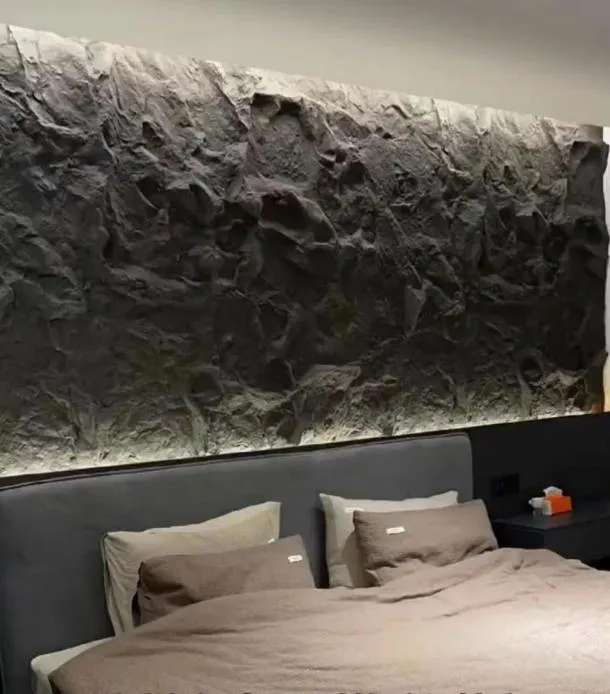
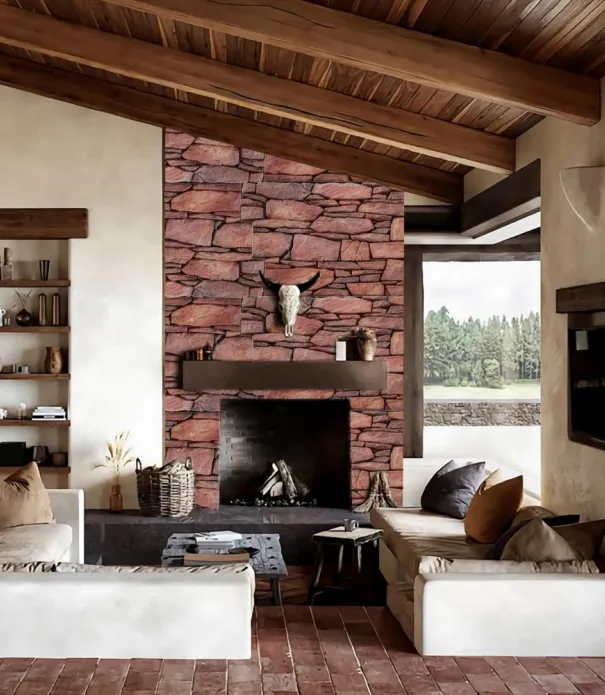
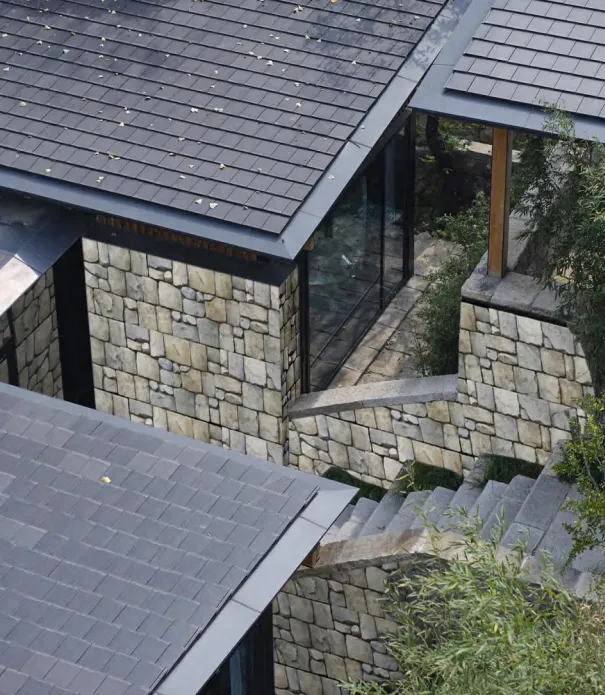
Before diving into supplier selection, let's take a moment to appreciate what PU stone wall panels are and why they've become a favorite among architects, designers, and homeowners alike. PU, or polyurethane, is a synthetic material known for its strength, flexibility, and resistance to wear and tear. When crafted into stone-like panels, it mimics the texture, color, and depth of natural stone—think granite, limestone, or travertine—without the heavy weight or high maintenance requirements. This makes PU stone wall panels ideal for both interior and exterior applications: imagine a feature wall in a luxury hotel lobby, a weather-resistant facade for a retail store, or a rustic accent wall in a home kitchen.
The benefits don't stop there. PU stone panels are lightweight, which simplifies installation and reduces structural load—critical for high-rise buildings or renovation projects where weight is a concern. They're also moisture-resistant, making them suitable for humid environments like bathrooms or outdoor patios, and fire-retardant options are available, adding an extra layer of safety. Plus, their versatility in design means they can be customized to fit specific color palettes, textures, and sizes, allowing for truly unique architectural expressions. In short, PU stone wall panels are more than just a building material—they're a solution that blends aesthetics, functionality, and practicality.
You might be thinking, "Can't I just order PU stone panels from any building material supplier?" While technically true, the reality is that not all suppliers are created equal. The right supplier acts as a partner in your project, ensuring that you get the right product, at the right time, and with the support you need to see the project through to completion. A subpar supplier, on the other hand, can lead to delays, poor-quality materials, and unexpected costs—headaches that no project manager or homeowner needs.
Consider this: if your supplier cuts corners on raw materials, you might end up with panels that fade under sunlight, crack in extreme temperatures, or fail to meet safety standards. If they lack production capacity, your delivery could arrive weeks late, throwing off your entire construction timeline. And if they offer little to no after-sales support, you'll be left scrambling if issues arise during installation. In contrast, a reliable PU stone wall panel supplier will prioritize quality, communication, and customer satisfaction, making them an invaluable asset to your team.
Now that we've established why supplier selection is critical, let's break down the key factors you should evaluate. Think of this as your checklist—tick off each item, and you'll be well on your way to finding a supplier that aligns with your project's needs.
At the heart of any great PU stone wall panel is quality. Start by asking suppliers about their material sourcing: where do they get their polyurethane resins, pigments, and additives? Reputable suppliers will be transparent about their supply chain, ensuring that raw materials meet industry standards for durability, safety, and sustainability. Next, inquire about their manufacturing process: do they use advanced machinery to ensure consistency in thickness, texture, and color? Are there quality control checks at every stage, from mixing to molding to packaging?
Don't be afraid to request detailed specifications, such as density, water absorption rate, and impact resistance. For example, a high-quality PU stone panel should have a density of at least 0.8g/cm³ to ensure structural integrity, and a water absorption rate below 3% to prevent swelling or warping. If your project is in a region with extreme weather—like the hot, dry climates of Saudi Arabia—ask about panels tested for UV resistance to avoid fading. Remember, quality isn't just about looks; it's about performance over time.
Experience matters in the building materials industry, and PU stone wall panels are no exception. A supplier with years of experience has likely navigated countless challenges—from fluctuating material costs to complex customization requests—and has honed their processes to deliver consistent results. Look for suppliers who specialize in PU stone wall panel solutions rather than those who treat it as a side product. This specialization indicates a deeper understanding of the material's nuances and applications.
To gauge their track record, ask for references or case studies of past projects. Have they worked on commercial buildings, residential complexes, or both? A supplier with experience in commercial projects (like malls, hotels, or offices) will understand the unique demands of large-scale installations, such as tight deadlines and strict safety codes. Don't hesitate to reach out to their past clients: were they satisfied with the product quality? Did the supplier meet delivery timelines? Was communication clear and responsive?
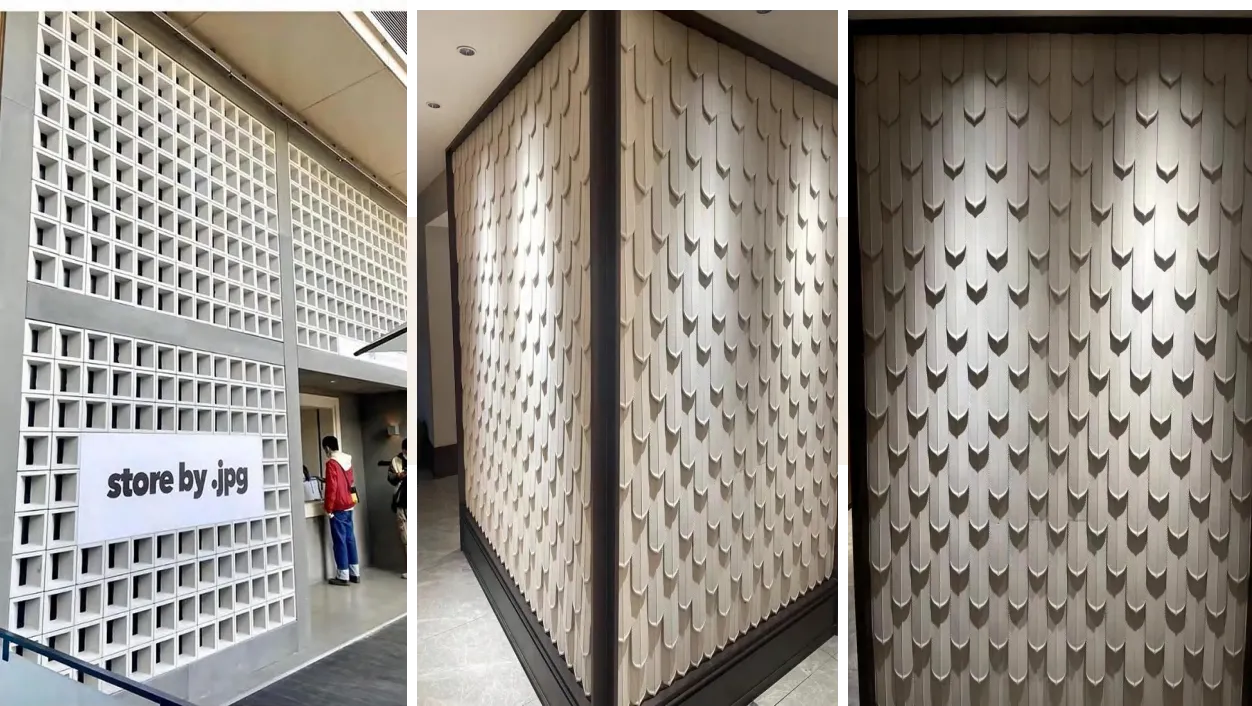
Every project is unique, and your PU stone wall panels should reflect that. Whether you're aiming for a specific color to match a brand palette, a custom texture to mimic rare natural stone, or a non-standard size to fit an awkward wall space, your supplier should offer robust customization options. Ask about their design team: can they create custom molds based on your samples or 3D models? What's the minimum order quantity for custom panels? How long does the customization process take, from design approval to production?
For example, if you're designing a boutique hotel with a "cloud stone" aesthetic, a supplier with strong customization skills can adjust the panel's color and veining to achieve that soft, ethereal look. Similarly, if you're working on a historical renovation and need panels that replicate ancient stonework, a supplier with experience in cultural stone solutions will be better equipped to meet your needs. Avoid suppliers who push only standard products—your project deserves a solution tailored to its vision.
In the building industry, compliance with safety and quality standards is non-negotiable. Before partnering with a supplier, verify that their PU stone wall panels meet relevant certifications and regulations. This includes fire safety ratings (e.g., Class A fireproof for public spaces like hospitals or schools), environmental certifications (e.g., low VOC emissions), and local building codes (such as those in Saudi Arabia or other target markets).
Ask to see copies of certificates from recognized bodies like SGS, Intertek, or the International Code Council (ICC). For example, a Class A fire rating ensures that the panels are non-combustible and will not contribute to the spread of fire—a critical feature for commercial buildings. If your project involves healthcare facilities or schools, additional certifications for hygiene (like anti-microbial properties) may be required. A supplier who can't provide these documents is a red flag—don't compromise on safety.
Even the highest-quality panels won't help if they arrive after your project's deadline. When evaluating suppliers, assess their production capacity: how many panels can they manufacture per month? Do they have backup machinery to prevent delays in case of equipment failure? What's their lead time for standard vs. custom orders? For large projects, ensure the supplier can scale production to meet your volume requirements without sacrificing quality.
Delivery reliability is equally important. Ask about their logistics partners: do they have experience shipping to your location, whether it's locally or internationally? How do they handle unexpected delays, such as port congestion or weather-related issues? A supplier with a dedicated logistics team and contingency plans will give you peace of mind that your panels will arrive on time, every time.
Let's talk about the elephant in the room: price. While it's tempting to choose the supplier with the lowest quote, remember that you often get what you pay for. A rock-bottom price might indicate subpar materials, rushed production, or hidden fees (like shipping or customization charges). Instead of focusing solely on cost, look for value for money: a balance of quality, service, and price that aligns with your budget.
When comparing quotes, ensure they're apples-to-apples: do they include the same panel specifications, customization options, and delivery terms? Ask about bulk discounts if you're ordering large quantities, and inquire about payment terms (e.g., deposits, progress payments) to manage cash flow. A reputable supplier will provide a detailed, transparent quote with no surprises—if a quote seems too good to be true, it probably is.
The relationship with your supplier shouldn't end when the panels are delivered. Look for suppliers who offer comprehensive after-sales support, including technical assistance during installation, troubleshooting for issues like adhesion or cracking, and a clear warranty policy. A strong warranty—typically 5-10 years for PU stone panels—shows the supplier stands behind their product.
Ask about the warranty coverage: does it include manufacturing defects, color fading, or structural failure? What's the process for filing a claim? Will the supplier send a technician to inspect issues on-site, or is support only available over the phone? A supplier who prioritizes after-sales support demonstrates a commitment to long-term customer satisfaction, not just a one-time sale.
Now that you know what to look for, let's outline how to evaluate potential suppliers systematically:
| Evaluation Criteria | Questions to Ask Suppliers | Importance (1-5, 5=Highest) |
|---|---|---|
| Product Quality | What is the panel density and water absorption rate? Can you provide material test reports? | 5 |
| Industry Experience | How long have you specialized in PU stone wall panels? Can you share case studies of similar projects? | 4 |
| Customization | What customization options do you offer (colors, textures, sizes)? What's the minimum order for custom panels? | 4 |
| Certifications | Do your panels meet Class A fire safety standards? Can you provide SGS or ICC certificates? | 5 |
| Delivery Reliability | What is your lead time for a 1000-panel order? How do you handle shipping delays? | 4 |
| After-Sales Support | What is your warranty period? Do you offer technical assistance during installation? | 4 |
Even with careful planning, it's easy to fall into common traps when selecting a supplier. Here are a few to watch out for:

If your project involves multiple building materials—say, PU stone wall panels, flooring, and ceiling solutions—consider working with a one-stop architectural solution provider. These suppliers offer a range of products under one roof, simplifying the procurement process, reducing coordination efforts, and often leading to cost savings. For example, a supplier who also offers WPC wall panels or porcelain slab tiles can ensure that all materials complement each other in terms of style and performance, creating a cohesive look for your space.
One-stop providers also tend to have stronger project management capabilities, as they're accustomed to handling complex orders with multiple components. They can assign a dedicated account manager to oversee your entire order, from initial design to final delivery, ensuring that nothing falls through the cracks. If you're working on a large commercial project in Saudi Arabia, for instance, a one-stop building material supplier with local expertise can navigate regional regulations, logistics, and cultural nuances more effectively than a niche supplier.
Project: A 10-story office building in Riyadh, Saudi Arabia, seeking a modern, stone-like facade that was lightweight and energy-efficient.
Challenge: The client wanted the aesthetic of natural granite without the weight and cost, and needed the panels delivered within 8 weeks to meet a tight construction deadline.
Solution: The client partnered with a reputable PU stone wall panel supplier with experience in commercial building materials. The supplier provided custom-colored panels mimicking "Switzerland stone" (a light gray with subtle veining) and ensured they met Saudi Arabia's strict fire safety codes (Class A rating). They also offered technical support during installation, including on-site training for the construction team.
Result: The panels were delivered on time, installed flawlessly, and have maintained their color and texture despite Riyadh's harsh sun and sandstorms. The client reported a 20% cost savings compared to natural stone, and the building's modern facade has become a local landmark.
Selecting the best PU stone wall panel supplier is a decision that will impact your project for years to come. By prioritizing quality, experience, customization, certifications, and support, you'll find a partner who not only delivers great products but also contributes to your project's success. Remember, this isn't just about buying panels—it's about building a relationship with a supplier who understands your vision and has the expertise to bring it to life.
So take your time, ask the tough questions, and don't settle for anything less than the best. Your space deserves it, and so do you. With the right supplier by your side, your PU stone wall panels will not only look stunning but also stand the test of time, making your project a resounding success.
Recommend Products











