
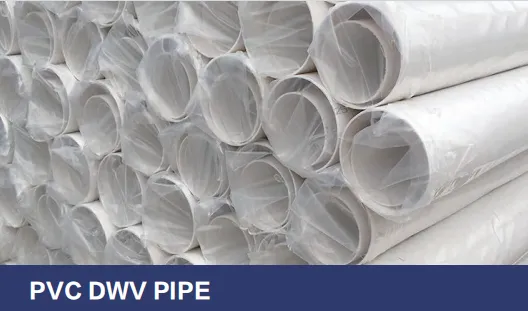
When it comes to plumbing systems, few components are as critical as PVC DWV (Drain, Waste, and Vent) pipes. These unassuming tubes carry away wastewater, prevent harmful gases from entering living spaces, and ensure proper ventilation for your home or commercial building. But even the most durable pipes from a trusted PVC DWV pipe supplier won't live up to their potential without thorough testing after installation. Whether you're a homeowner, contractor, or property manager, understanding how to test these pipes is key to avoiding costly leaks, mold growth, or system failures down the line. In this guide, we'll walk through the essential steps, methods, and best practices for testing PVC DWV pipes, ensuring your plumbing system is safe, efficient, and built to last.
Before diving into the "how," let's clarify the "why." Testing isn't just a box to check on a construction checklist—it's a critical safeguard for your property, budget, and peace of mind. Here's why it matters:
A faulty DWV system can leak sewage or trap harmful gases like methane, which pose serious health risks. Even small leaks can lead to mold growth, a common trigger for allergies and respiratory issues. By testing, you ensure these hazards are neutralized before the system goes live.
Most local building codes require DWV systems to pass specific tests before a project is approved. Skipping or rushing these tests can result in failed inspections, delays, or even fines. Working with a knowledgeable team and using quality materials from a reputable PVC DWV pipe supplier helps streamline compliance, but testing is the final stamp of approval.
Fixing a leak after drywall is installed, flooring is laid, or tenants have moved in is exponentially more expensive than addressing it during testing. Early detection through testing saves you from tearing out finished work, replacing damaged materials, or covering water damage claims.
Your building's plumbing system is an investment in its long-term value. A well-tested DWV system ensures reliable performance for decades, reducing the need for frequent repairs and preserving the integrity of your property.
Testing PVC DWV pipes requires a few basic tools and some preparation. Here's what you'll need to gather before getting started:
Pro tip: Before testing, ensure all fixtures (toilets, sinks, showers) are either installed or temporarily capped. Open all cleanouts to allow air or water to flow freely during testing.
There are three primary methods for testing PVC DWV pipes: visual inspection, water testing, and air testing. Depending on your local code and the type of system, you may need to perform one or more of these. Let's break them down.
Before firing up the water or air, start with a thorough visual check. This step catches obvious issues that could derail more advanced tests later. Here's what to look for:
Visual inspection is quick, low-cost, and often reveals issues that would otherwise go unnoticed. Don't skip it!
Water testing is the most common method for DWV systems, as it mimics real-world conditions—after all, these pipes are designed to carry water. Here's how to do it properly:
Close all valves and plug open ends (like cleanouts, vent stacks, or fixture drains) using rubber or inflatable plugs. Make sure the plugs are tight enough to hold water without leaking.
Use a hose to fill the system from the lowest opening (e.g., a basement floor drain). Continue filling until water reaches the highest point in the system (often a vent stack or upper-floor fixture). Mark the water level with tape—this will help you spot drops later.
Leave the system filled for at least 15–30 minutes (check local codes for exact timing). Walk the entire length of the pipes, checking joints, fittings, and pipe surfaces for leaks. Pay extra attention to areas where pipes meet walls, floors, or ceilings—these are common leak points.
After the static test, open the lowest plug and let the water drain. Observe the flow—water should move quickly and smoothly, with no backups or gurgling sounds. Slow drainage could indicate a blockage or insufficient slope.
Pro tip: Add a few drops of food coloring to the water to make leaks easier to spot, especially in dark or hard-to-reach areas.
For systems where water testing is impractical (e.g., in cold climates where water might freeze, or in upper floors before fixtures are installed), air testing is a reliable alternative. It uses compressed air to pressurize the system, making even tiny leaks visible. Here's how:
Plug all open ends with airtight plugs, just like in the water test. Attach a pressure gauge and air compressor to one of the plugs.
Slowly pump air into the system until the pressure reaches 5–10 psi (check local codes for exact requirements). Close the valve on the compressor and monitor the gauge for 15–30 minutes.
A significant pressure drop (more than 1–2 psi) indicates a leak. To find the source, listen for hissing sounds or spray a soapy water solution on joints—bubbles will form where air is escaping.
Air testing is highly sensitive, making it ideal for detecting micro-leaks that might slip past a water test. However, it's not a replacement for water testing in all cases—always check local codes to see which method is required.
While water and air tests focus on drainage and waste lines, smoke testing is used specifically for vent systems. Vents prevent siphoning of water from traps (which keeps sewer gases out of your home) and ensure proper airflow. Here's how it works:
Close all windows and doors, and seal drains and fixtures with plastic sheeting. Attach a smoke machine to the vent stack.
Turn on the smoke machine and let non-toxic, visible smoke flow through the vents. Watch for smoke escaping from unintended areas (e.g., cracks in pipes, loose fittings) or failing to exit the roof—both indicate venting issues.
Smoke testing is especially useful for diagnosing slow drains or gurgling fixtures, which often stem from venting problems.
Even with careful installation and quality materials from a trusted pipes fittings supplier, issues can crop up during testing. Here are the most common problems and how to address them:
The most frequent issue, leaks at joints are usually caused by improper cement application, misaligned pipes, or damaged gaskets. To fix: Drain the system, cut out the faulty joint, clean the pipe ends, reapply cement (or replace the gasket), and reconnect. Retest after repairs.
If water pools or drains slowly, the slope is likely too shallow. Adjust the pipe supports to increase the slope to the required 1/4 inch per foot. For long runs, you may need to re-route sections of pipe.
Debris (like construction materials or tools) can accidentally fall into pipes during installation, causing blockages. Use a plumber's snake or hydro-jet to clear the blockage. If it's deep in the system, you may need to remove a section of pipe to access it.
Sometimes, even high-quality pipes fittings solutions can have defects (e.g., cracked elbows, misthreaded connections). If a fitting is faulty, replace it with a new one from your pipes fittings supplier. Always inspect fittings before installation to catch issues early.
| Test Method | Purpose | Best For | Pros | Cons |
|---|---|---|---|---|
| Visual Inspection | Check for installation errors, damage, and alignment | All systems (preliminary check) | Fast, low-cost, no special tools needed | Misses hidden leaks or pressure-related issues |
| Water Test | Simulate real-world use, detect leaks and flow issues | Most DWV systems (especially drainage lines) | Mimics actual conditions, easy to spot leaks | Requires access to water; messy in unfinished areas |
| Air Test | Detect micro-leaks using pressure | Cold climates, upper floors, or tight spaces | Highly sensitive, no water cleanup | Requires air compressor; doesn't test flow |
| Smoke Test | Verify proper venting and gas flow | Vent stacks and vent lines | Identifies vent blockages or leaks clearly | Specialized equipment needed; not for drainage lines |
To ensure your testing process is efficient and effective, follow these best practices:
PVC DWV pipes are the unsung heroes of your plumbing system, working quietly behind walls and under floors to keep your property safe and functional. But even the best materials from a top-tier PVC DWV pipe supplier and pipes fittings supplier need rigorous testing to ensure they perform as intended. By investing time in visual inspections, water tests, air tests, or smoke tests, you protect your property, comply with codes, and avoid costly headaches down the line.
Remember: Testing isn't just about passing an inspection—it's about building a system you can trust for decades. So grab your tools, follow the steps above, and rest easy knowing your DWV system is leak-free, efficient, and ready to handle whatever comes its way.
Recommend Products












