
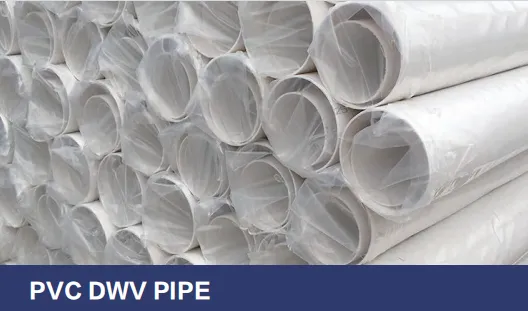
Picture this: You're standing on a bustling construction site, hard hat in hand, staring at a stack of delayed material orders. The foundation is set, the framing crew is ready, but the pipes you need for the plumbing rough-in are nowhere to be seen. Your phone buzzes—another supplier email apologizing for "unforeseen delays." Sound familiar? For project managers, contractors, and builders across Saudi Arabia and beyond, procurement headaches like this are all too common. When it comes to critical components like PVC DWV pipes, the stakes are even higher: a single subpar shipment can lead to leaks, code violations, and costly rework down the line. But what if there was a way to turn this chaos into calm? Enter the trusted PVC DWV pipe supplier—not just a vendor, but a partner who simplifies procurement, ensures quality, and keeps your projects on track. In this article, we'll explore how aligning with the right supplier transforms the way you source materials, why PVC DWV pipes are non-negotiable in modern construction, and how a one-stop architectural solution provider can be the key to streamlining your workflow.
Let's start with the basics: procurement in construction isn't just about placing orders. It's about coordinating timelines, verifying quality, managing logistics, and troubleshooting when things go wrong. For years, the industry has relied on a fragmented approach—sourcing PVC DWV pipes from one supplier, UPVC pipes from another, PPR fittings from a third, and hoping all the pieces come together on time. But this "piecemeal" method comes with hidden costs that eat into your budget and sanity.
Take, for example, a mid-sized residential project in Riyadh. The contractor sourced PVC DWV pipes from a local supplier, UPVC pipes from a distributor in Jeddah, and PPR fittings from an overseas vendor. On paper, it seemed like a cost-saving move—each supplier offered the lowest price for their niche. In reality? The local DWV pipes arrived a week late due to inventory issues, the UPVC shipment got held up at customs, and the PPR fittings didn't match the pipe specifications, requiring a rushed reorder. The result? The plumbing crew sat idle for three weeks, labor costs ballooned, and the project missed its deadline by a month. The "cheaper" individual suppliers ended up costing the contractor thousands in lost time and penalties.
Then there's the quality control nightmare. When you work with multiple suppliers, each has their own standards, certifications, and quality checks. A batch of PVC DWV pipes might meet ASTM D2665 standards, but if the UPVC pipes from another supplier cut corners on wall thickness, you're left with a system that's prone to leaks or failure. And when issues arise, pointing fingers between vendors becomes a full-time job—leaving you stuck mediating instead of building.
Before diving into how to choose a supplier, let's take a moment to appreciate why PVC DWV pipes are the backbone of modern plumbing systems. DWV stands for Drain, Waste, and Vent—three critical functions that keep buildings healthy and functional. These pipes carry wastewater away from sinks, showers, and toilets, vent harmful gases to the outside, and prevent pressure buildup that could cause backups or odors. In short, they're the unsung heroes of any residential or commercial space.
PVC (polyvinyl chloride) has become the material of choice for DWV systems for good reason. It's lightweight, making installation faster and easier than heavy metal pipes. It's resistant to corrosion, which means it won't rust or degrade when exposed to water, chemicals, or soil. It's also cost-effective compared to copper or cast iron, without sacrificing durability. For hospitals, schools, and high-traffic commercial buildings, where safety is paramount, PVC DWV pipes often pair with Class A fireproof materials—though that's a topic for another day. The bottom line? When you skimp on PVC DWV quality, you're not just risking a plumbing issue—you're compromising the entire building's functionality and safety.
But not all PVC DWV pipes are created equal. Thin-walled pipes might save you a few riyals upfront, but they're more likely to crack under pressure or warp in extreme temperatures. Pipes with inconsistent diameters can cause flow restrictions, leading to clogs and backups. That's why the supplier you choose matters just as much as the product itself. A trusted supplier doesn't just sell pipes—they provide peace of mind that every piece meets industry standards and is built to last.
So, what exactly does a "trusted" supplier bring to the table? It's more than just timely deliveries (though that's a big part of it). It's about partnership—someone who understands your project's unique needs and works with you to meet them. Let's break down the key benefits:
Imagine ordering 500 meters of PVC DWV pipe for a commercial complex and knowing, without a doubt, that every single meter will have the same diameter, wall thickness, and material composition. A reputable supplier invests in quality control—from raw material testing to finished product inspections—to ensure consistency. This means no surprises on the job site, no last-minute substitutions, and no rework due to mismatched parts. For example, a leading Saudi Arabia building materials supplier we spoke with conducts third-party lab tests on every batch of PVC DWV pipes, checking for impact resistance, chemical stability, and pressure tolerance. Their clients know that when they place an order, the product will perform exactly as expected.
Construction waits for no one, and neither should your materials. A trusted supplier understands that delays in pipe delivery can derail an entire project. That's why they invest in robust logistics networks—local warehouses, dedicated transport fleets, and real-time tracking systems. Whether you need a small emergency shipment of 10 pipes or a bulk order of 10,000 meters, they have the capacity to deliver on time, even in remote areas. One contractor in Jeddah shared how their supplier used temperature-controlled trucks to transport PVC DWV pipes during the summer months, preventing warping in the heat. "It's the little things," he said, "that make you realize they care about your project as much as you do."
Not all projects are the same. A hospital might require pipes with antimicrobial properties, while a coastal building needs extra corrosion resistance. A trusted supplier doesn't just hand over a product—they offer technical support to help you choose the right solution. Need help calculating the correct pipe diameter for a high-rise's drainage system? They have engineers on staff. Unsure if PVC DWV is compatible with other materials like PEX or copper? They can provide compatibility charts and installation guides. This level of expertise turns a supplier into a consultant, helping you avoid costly mistakes and optimize your system design.
It's easy to get lured by the lowest price, but a trusted supplier often offers better long-term value. Bulk pricing discounts, loyalty programs, and reduced waste from consistent quality all add up. Plus, by consolidating your orders with one supplier, you cut down on administrative costs—fewer purchase orders, fewer invoices, and fewer hours spent coordinating with vendors. A recent survey of contractors in the UAE found that those who worked with a single piping supplier saved an average of 12% on procurement costs compared to those using multiple vendors. That's money that can be reinvested into your project or passed on to clients as competitive pricing.
Here's where the magic happens: a one-stop architectural solution provider doesn't just stop at PVC DWV pipes. They offer a full suite of products—from UPVC pipes for water supply to PPR fittings for hot water systems, and even related materials like PVC well casing or plastic valve systems. This "one roof" approach transforms procurement from a logistical nightmare into a streamlined process. Let's see how:
| Aspect | Traditional Fragmented Procurement | One-Stop Provider Procurement |
|---|---|---|
| Number of Vendors | 5-10+ (DWV, UPVC, PPR, valves, fittings) | 1 (all piping and related products) |
| Coordination Effort | High (multiple points of contact, conflicting timelines) | Low (single account manager, unified communication) |
| Delivery Reliability | Variable (delays from one vendor impact the whole project) | High (synchronized shipments, dedicated logistics) |
| Quality Consistency | Inconsistent (varying standards across suppliers) | High (unified quality control, same certifications) |
| Technical Support | Limited (each vendor specializes in their niche) | Comprehensive (experts in all product lines) |
| Cost Efficiency | Lower upfront prices, higher hidden costs (delays, rework) | Higher upfront prices, lower long-term costs (bulk discounts, reduced waste) |
Take, for example, a school construction project in Dammam. The contractor needed PVC DWV pipes for drainage, UPVC pipes for potable water, PPR fittings for the cafeteria's hot water system, and PVC well casing for the site's groundwater management. Instead of juggling five suppliers, they partnered with a one-stop provider. The result? A single purchase order, a single delivery schedule, and a single point of contact for all questions. When the project required a last-minute change to the PPR fittings (to meet new safety codes), the supplier adjusted the order without delay—something that would have taken days with multiple vendors. The project finished two weeks early, and the contractor estimates they saved 15% on procurement-related labor costs alone.
But a one-stop provider isn't just about pipes. Many also offer complementary products like flooring solutions, wall panels, or even sanitary fixtures—though that's beyond the scope of our focus here. The key takeaway? The more you can consolidate under one trusted partner, the smoother your procurement process becomes.
Now that you're convinced of the benefits, how do you choose the right supplier? Not all "one-stop providers" are created equal. Here are the key qualities to prioritize:
Look for a supplier with a proven track record—ideally 10+ years in the business. Check online reviews, ask for client references, and verify their presence in major projects (hospitals, airports, large residential complexes). A supplier with experience in your specific sector (residential vs. commercial, healthcare vs. education) will understand your unique needs better. For example, a supplier who specializes in hospital projects will be familiar with Class A fireproof requirements, while one focused on coastal areas will know how to handle saltwater corrosion.
Quality isn't optional when it comes to building materials. Ensure the supplier's PVC DWV pipes meet international standards like ASTM D2665 (for drain, waste, and vent piping) or ISO 9001 (quality management). For projects in Saudi Arabia, they should also comply with local regulations set by the Saudi Standards, Metrology and Quality Organization (SASO). Don't be afraid to ask for certification documents—reputable suppliers will provide them without hesitation. A supplier who cuts corners on certifications is a red flag for future headaches.
Can they handle your volume? A supplier with limited production capacity might struggle to fulfill large orders or rush shipments. Ask about their manufacturing facilities—do they have in-house production, or do they rely on third-party manufacturers? What's their maximum monthly output for PVC DWV pipes? Also, check their inventory levels: do they keep stock of common sizes and types, or do they produce on demand? A supplier with local warehouses in key regions (Riyadh, Jeddah, Dammam) will offer faster delivery times than one operating solely out of a single location.
Procurement isn't a one-and-done transaction. You need a supplier who's responsive when issues arise—whether it's a damaged shipment, a technical question, or a change in order. Test their customer service before committing: How quickly do they return calls or emails? Do they assign a dedicated account manager to your projects? Are they willing to visit your job site to assess needs? A supplier with poor communication is a liability, no matter how good their products are.
Modern construction is moving toward greener practices, and your supplier should too. Look for eco-friendly initiatives like recycled materials in production, energy-efficient manufacturing, or waste reduction programs. Some suppliers even offer PVC DWV pipes made from 100% recycled plastic without compromising quality. Not only does this align with global sustainability goals, but it can also make your project more attractive to environmentally conscious clients.
Let's put this all into context with a real-world example. Al-Riyadh Construction, a mid-sized contractor specializing in commercial buildings, was struggling with procurement for a 12-story office complex in downtown Riyadh. Their previous approach involved sourcing PVC DWV pipes from a local supplier, UPVC pipes from a distributor in Dubai, and PPR fittings from a Turkish vendor. The result? Constant delays, mismatched products, and rising costs. "We were spending 20 hours a week just coordinating between suppliers," said project manager Ahmed Al-Mansoori. "It was taking away from time we should have been spending on the job site."
Frustrated, Al-Mansoori began researching one-stop providers. After vetting three options, they chose a Saudi Arabia-based supplier with a 15-year track record, certifications in ASTM and SASO, and a local warehouse in Riyadh. The supplier offered not just PVC DWV pipes, but also UPVC, PPR, and even related accessories like plastic valve systems. Within the first month, the changes were noticeable:
The office complex finished two months ahead of schedule, and Al-Riyadh Construction has since switched all their projects to the one-stop supplier. "It's not just about the pipes," Al-Mansoori said. "It's about peace of mind. We know they'll deliver, and if there's a problem, they'll fix it. That's priceless in this industry."
As construction technology evolves, so too will procurement. Here are a few trends to watch—and how a trusted supplier can help you stay ahead:
Expect more suppliers to offer online portals for ordering, tracking, and invoicing. Imagine logging into a dashboard to view your order history, check inventory levels in real time, or place a rush order with a few clicks. This digitization will reduce paperwork, speed up communication, and give you greater visibility into your supply chain. Forward-thinking suppliers are already investing in these tools—ask if your potential partner has plans to launch a digital platform.
The future of piping might include "smart" PVC DWV pipes embedded with sensors that monitor flow rates, detect leaks, or alert you to blockages. While this technology is still emerging, suppliers who invest in R&D will be the first to offer these innovations. A trusted supplier will keep you informed about new products and help you integrate them into your projects, giving you a competitive edge.
Sustainability will only grow in importance. Look for suppliers who offer take-back programs for old pipes, recycling initiatives, or carbon-neutral shipping. A one-stop provider with a commitment to the circular economy can help you reduce your project's environmental footprint while meeting client demands for green building practices.
Procurement might not be the most glamorous part of construction, but it's the backbone of every successful project. When it comes to critical components like PVC DWV pipes, cutting corners on suppliers can lead to delays, cost overruns, and even safety risks. On the other hand, aligning with a trusted, one-stop provider transforms procurement from a headache into a strategic advantage—saving you time, money, and stress.
Remember, the best supplier isn't just a vendor—they're a partner who understands your goals, shares your commitment to quality, and works with you to overcome challenges. Whether you're building a small home or a sprawling hospital, the right supplier will be there every step of the way, ensuring your materials arrive on time, meet your standards, and help you deliver exceptional results.
So, take the time to research, ask questions, and choose wisely. Your project, your team, and your bottom line will thank you.
Recommend Products












