
Published: July 18, 2026 | COLORIA GROUP
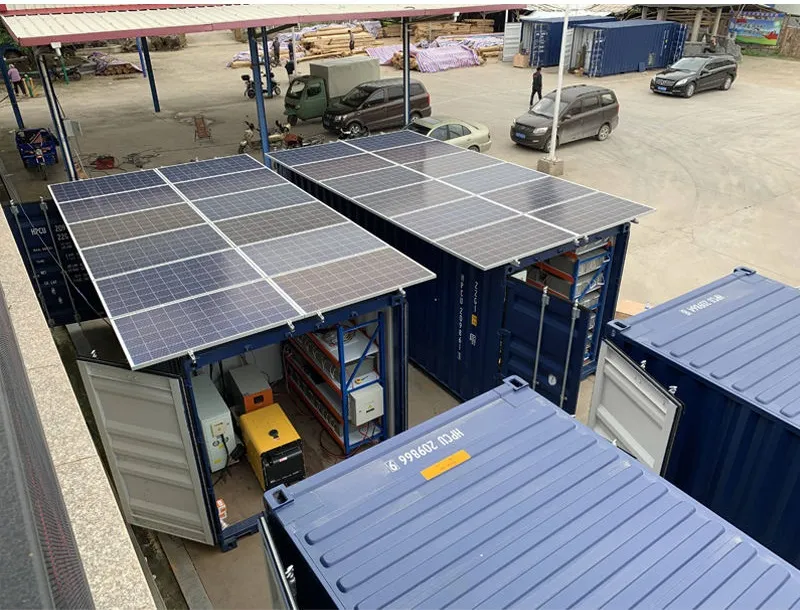
Solar energy has never been more accessible. With global demand for photovoltaic systems surging across residential, commercial, and industrial sectors, the question on every buyer's mind is the same: where can I find the cheapest solar panels that still deliver reliable performance? The answer lies not in hunting for rock-bottom prices alone, but in understanding how to source smartly — directly from manufacturing hubs that combine scale, expertise, and quality control under one roof.
For project developers, contractors, and procurement managers, the key to unlocking significant cost savings is to buy solar panels direct from manufacture rather than through layers of distributors. Every intermediary in the supply chain adds a markup. By connecting with a factory-direct supplier, buyers can cut out the middleman and access pricing that reflects actual production costs. This is especially true when sourcing from China, the world's largest producer of photovoltaic modules, where economies of scale drive per-unit costs down dramatically.
The global solar panel market has undergone significant shifts in 2026. China's recent policy changes — including the elimination of VAT export rebates for solar products — have introduced new cost dynamics that make procurement strategy more important than ever. While these policy adjustments may exert upward pressure on export prices, they also accelerate a market trend toward consolidation, favoring established suppliers with robust manufacturing capabilities over smaller, less stable players.
The smartest buyers today are not simply looking for the lowest sticker price. They are evaluating total landed cost, which includes product quality, warranty coverage, logistical efficiency, and the supplier's ability to consolidate shipments across multiple product categories. A solar panel china supplier that also offers complementary building materials — such as roofing, electrical fixtures, and mounting hardware — can dramatically reduce shipping costs and simplify project coordination.
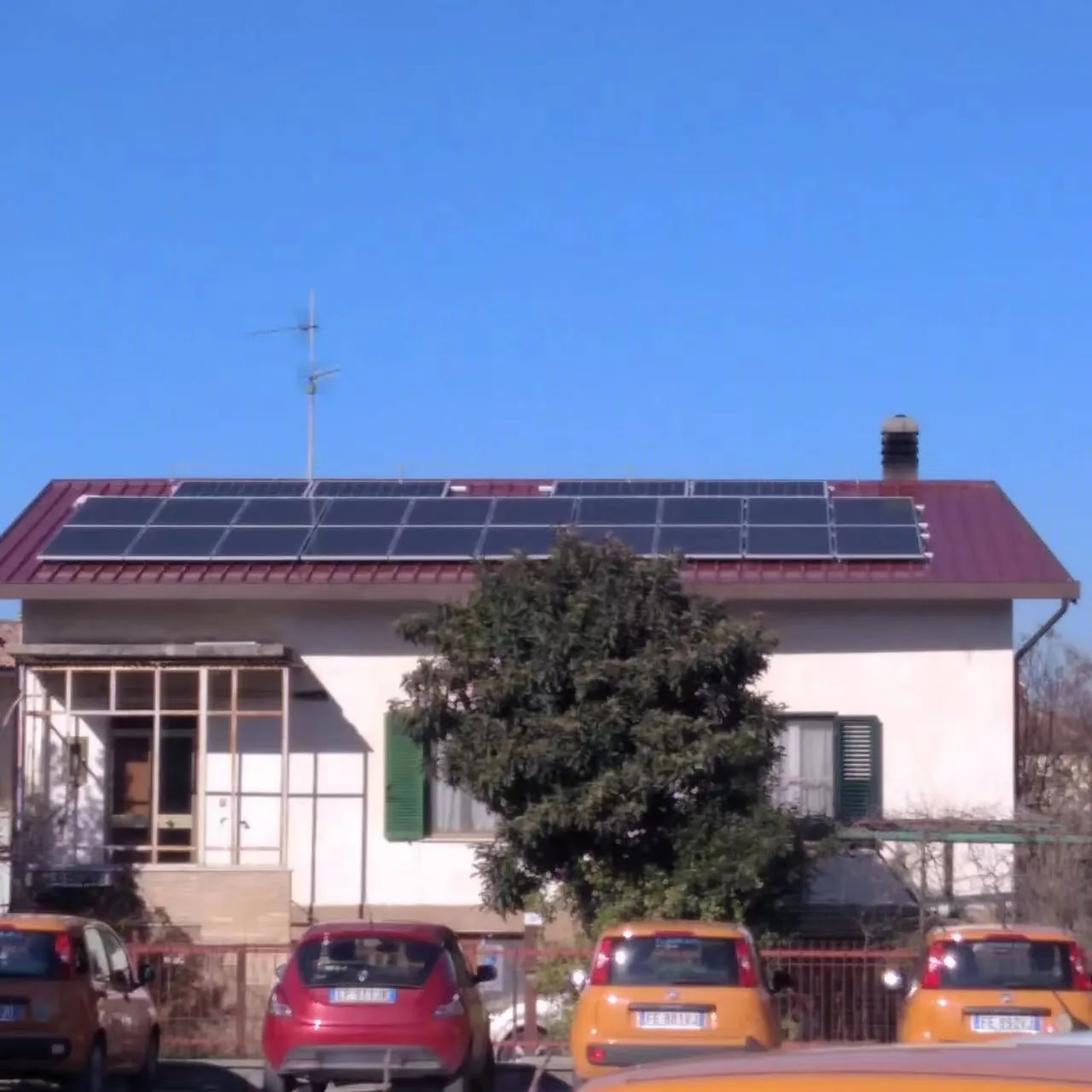
Price is important, but it should never be the only criterion. Here are the factors that distinguish a trustworthy supplier from a risky one:
Manufacturing Transparency: A reputable solar panel factory in china should be open about its production processes, quality control protocols, and the certifications held by its manufacturing partners. Look for suppliers who can provide detailed specifications, testing reports, and references from past projects.
Comprehensive Product Range: The best suppliers offer more than just solar panels. They serve as a one-stop solution for all building materials — from walls and flooring to pipes, electrical systems, and windows. This breadth allows buyers to consolidate procurement, negotiate better terms, and streamline logistics.
Global Logistics Experience: Exporting solar panels requires expertise in international shipping, customs documentation, and compliance with destination-country regulations. Suppliers with established overseas networks can anticipate and resolve logistical challenges before they become costly delays.
After-Sales Support: Warranties and technical support matter. A supplier that stands behind its products with clear warranty terms and responsive customer service provides peace of mind long after the shipment arrives.
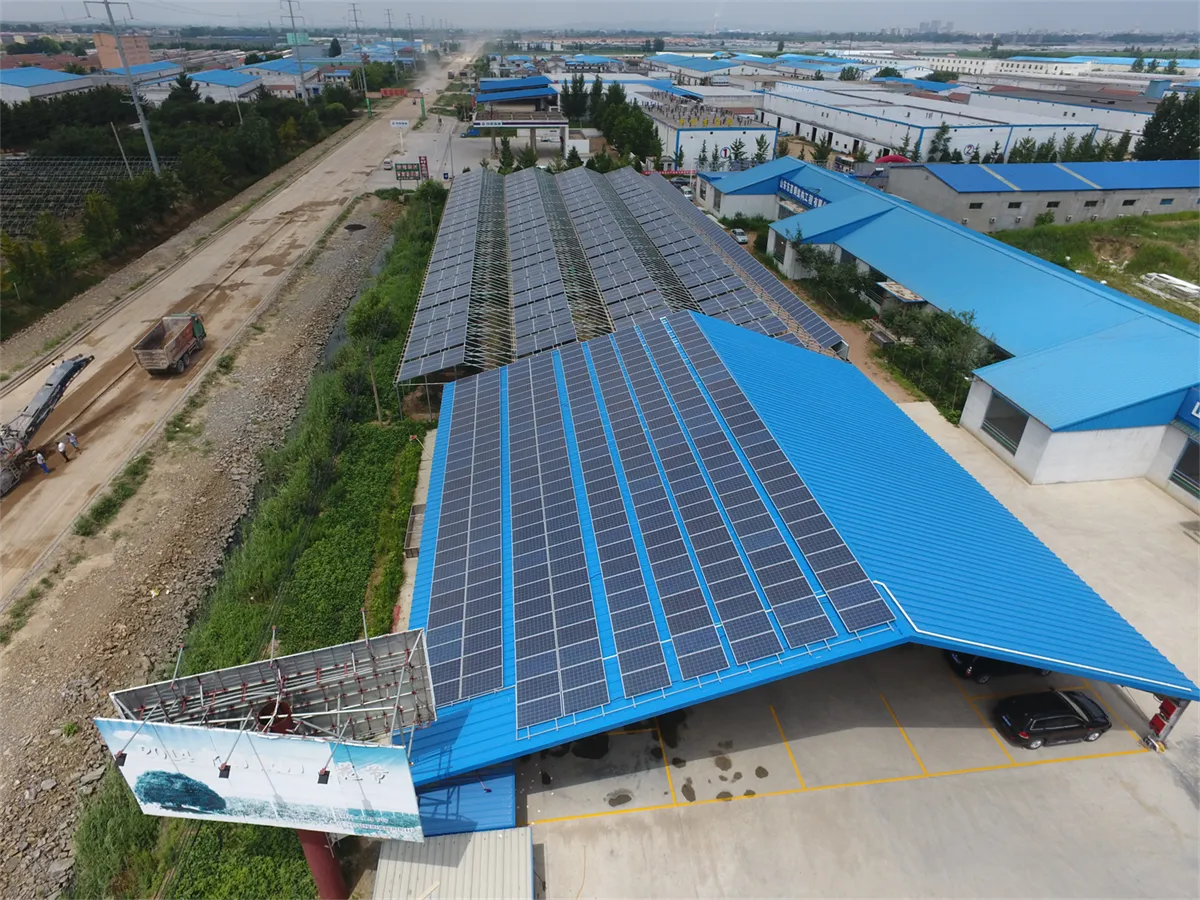
Solar panels for commercial buildings require different specifications than those designed for residential use. Commercial installations typically demand higher wattage modules, greater durability against environmental stress, and compatibility with large-scale inverter systems. Industrial projects may also need panels that meet specific fire ratings, wind-load certifications, and grid-compliance standards in the target market.
At the same time, residential projects benefit from panels that balance efficiency with aesthetic considerations — a factor that matters when homeowners associations or architectural guidelines impose visual constraints. The right supplier can help you navigate these requirements by offering a curated selection of panels suited to each application.
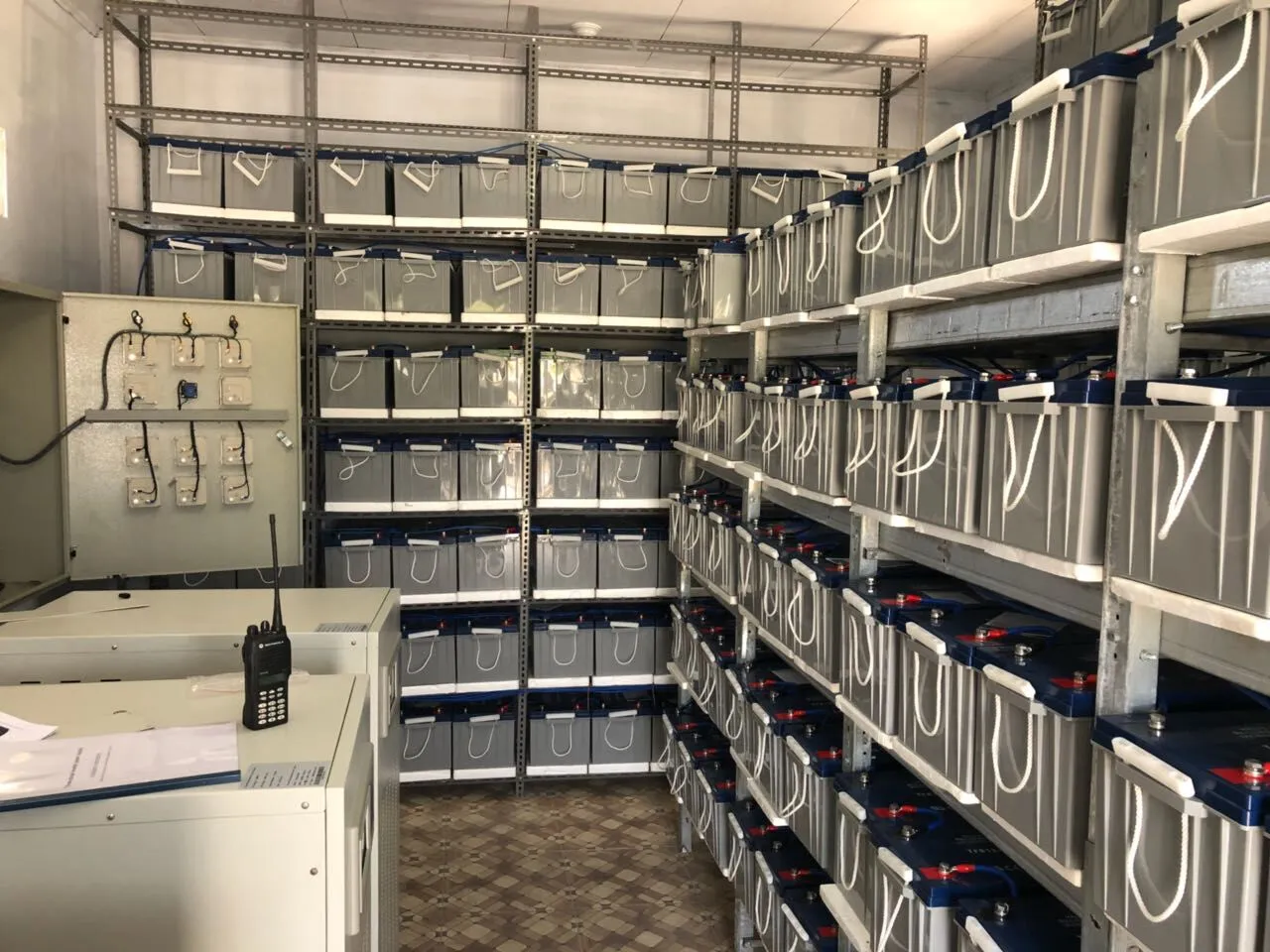
One of the most overlooked opportunities for cost savings lies in consolidated sourcing. A construction project rarely needs only solar panels. It needs roofing materials, electrical distribution systems, pipes and fittings, decorative profiles, windows and doors, and possibly elevators, lighting, and sanitary fixtures. When all of these can be sourced from a single, reliable partner, the savings in shipping, coordination time, and negotiation leverage are substantial.
COLORIA GROUP is a comprehensive one-stop building materials supplier headquartered in Foshan, China — the heart of the country's manufacturing powerhouse. With 13 product categories covering walls, flooring, ceilings, pipes and fittings, sanitary fixtures, customized furniture, home and hotel appliances, windows and doors, decorative profiles, elevators, electrical fixtures, lights, and solar panels, the company serves residential and commercial projects across the globe. Its overseas agent in Saudi Arabia provides localized support for clients in the Middle East, while its direct-from-factory model ensures competitive pricing without compromising on quality.
If you are planning to source solar panels in the near term, here are actionable steps to get the best value:
Request detailed specifications upfront. Before comparing prices, ensure you have a clear understanding of the panel type (monocrystalline vs. polycrystalline), wattage, efficiency rating, temperature coefficient, and mechanical load capacity that your project requires. Comparing quotes without aligned specifications leads to misleading conclusions.
Ask about minimum order quantities (MOQs). Factory-direct suppliers often have MOQ requirements. Understanding these thresholds early helps you plan order volumes and potentially negotiate better unit pricing.
Inquire about bundled procurement. If your project also needs other building materials — electrical cables, distribution boxes, roofing, or mounting structures — ask whether the supplier can bundle these into a single shipment. The combined logistics savings can be significant.
Verify certifications. Ensure the panels meet the certification standards required in your destination market, such as IEC, UL, TÜV, or CE markings. A credible supplier will provide certification documentation without hesitation.
Consider lead times and payment terms. Factory production schedules, seasonal demand fluctuations, and shipping availability all affect delivery timelines. Discuss realistic lead times and flexible payment structures before committing to an order.
The global solar market continues to grow at a remarkable pace. China's photovoltaic module exports reached more than 128 countries and regions last year, with over 40 overseas markets now exceeding one gigawatt in annual demand. Policy changes — such as the removal of export tax rebates — may reshape pricing dynamics, but they also reinforce the importance of working with established, diversified suppliers who can absorb market fluctuations without disrupting service.
As the industry matures, the winners will be those who view procurement as a strategic partnership rather than a transactional purchase. The cheapest solar panels are not necessarily the ones with the lowest price tag — they are the ones that deliver the best total value over the lifetime of the installation.
COLORIA GROUP offers factory-direct solar panels alongside a complete range of building materials — from walls and flooring to elevators and electrical systems. Whether you are outfitting a single home or supplying a large-scale commercial development, our one-stop procurement model saves you time, reduces shipping costs, and gives you a single point of accountability.
Contact us today to discuss your project requirements, request a quote, and discover how our integrated supply chain can help you achieve more with less.
Get in Touch with COLORIA GROUPRecommend Products












