How to Source Optical Distribution Boxes from a Reliable Wholesaler: A Comprehensive Guide for Electrical Contractors
Finding the right distributor for electrical enclosures can make or break your project timeline. Here is what procurement teams need to know before committing to a supplier.
When you are managing a construction project or running an electrical contracting business, the quality of your electrical enclosures directly affects safety, compliance, and long-term reliability. Whether you are wiring a residential tower, outfitting a commercial building, or setting up telecommunications infrastructure, finding a dependable
optical distribution box wholesaler is one of the earliest procurement decisions you will make — and one of the most consequential.
The global market for electrical distribution equipment is fragmented. You will encounter small regional factories, large conglomerates, and everything in between. Sorting through the options takes time, and a wrong choice can lead to delayed shipments, non-compliant products, or enclosures that fail under real-world conditions. This guide walks through what to evaluate when choosing a
distribution box supplier, with practical insights drawn from years of sourcing experience in China's manufacturing sector.
What Exactly Is an Optical Distribution Box?
An optical distribution box — sometimes called a fiber distribution box, ODB, or fiber termination box — is an enclosure that houses and protects fiber optic splices, connectors, and splitter modules. It serves as the transition point between backbone cables and drop cables in FTTH (Fiber to the Home) networks, office LANs, and outdoor telecom cabinets. A well-built unit keeps dust and moisture out, organizes cable routing, and withstands physical stress over years of service.
Beyond fiber-specific enclosures, the broader category of
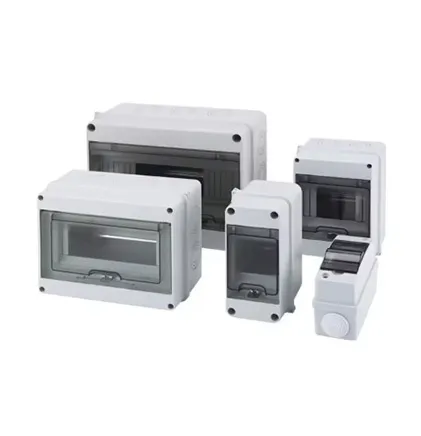
electrical distribution box manufacturers also produce power distribution boxes, generator connection boxes, AC distribution enclosures, and portable units used on construction sites. Each type has its own set of standards, materials, and ingress protection ratings. A knowledgeable supplier should be able to guide you through these distinctions rather than simply pushing whatever is in stock.
Key Factors to Evaluate When Selecting a Wholesaler
Material Quality and IP Ratings
ABS flame-retardant engineering plastic for indoor fiber boxes (IP55 or higher)
Cold-rolled steel with powder coating for power distribution enclosures
Stainless steel or aluminum alloy for outdoor and corrosive environments
Polycarbonate options for transparent covers and visual inspection
The first thing to verify is the material grade and protection rating. An IP55-rated enclosure handles dust and low-pressure water jets, which is adequate for most indoor corridor installations. Outdoor units need IP65 or higher. Ask the supplier for material datasheets and test reports. If the sales team cannot produce these documents within a day, that is a red flag.
Capacity is another critical factor. Optical distribution boxes typically come in configurations ranging from 6 cores to 48 cores, with some models supporting up to 96 cores for dense urban deployments. A supplier that offers a range of sizes — and can customize splitter configurations — saves you from having to juggle multiple vendors for different project phases.
Why Source Distribution Boxes from China?
China has become the world's largest manufacturing hub for electrical enclosures and fixtures. The concentration of raw material suppliers, injection molding facilities, and sheet metal fabricators in provinces like Guangdong, Zhejiang, and Jiangsu creates a supply chain that is difficult to replicate elsewhere. For buyers, this translates into competitive pricing, shorter lead times on custom orders, and access to a wide range of complementary products in one shipment.
A company like COLORIA GROUP, headquartered in Foshan, Guangdong, operates as a one-stop
electrical fixtures & cables supplier that covers distribution boxes, switches and sockets, and various cable types under a single procurement umbrella. Instead of coordinating with three separate factories for enclosures, wiring accessories, and cables, you deal with one point of contact. This consolidation reduces freight costs, simplifies quality inspections, and makes it easier to track order status across product categories.
Quality Control That Actually Works
Every experienced buyer has a story about samples that looked perfect and production batches that did not match. The difference between a reliable wholesaler and an unreliable one often comes down to their quality control process. Look for suppliers that conduct inline inspections during production, not just final random checks before shipping. Ask whether they perform dielectric strength tests on power distribution units and insertion loss tests on fiber termination boxes.
Documentation matters. A professional supplier provides compliance certificates (CE, RoHS, ISO 9001), test reports for each batch, and installation manuals in your language. If the supplier ships 400 units but only tested 10, you are taking a gamble on the other 390. Established factories with dedicated QC teams typically test a statistically meaningful sample size and can explain their AQL (Acceptable Quality Limit) standards when asked.
The Advantage of Working with a One-Stop Supplier
Distribution boxes rarely exist in isolation on a project. You need them alongside switches, sockets, cables, conduits, and possibly lighting fixtures. A specialized supplier who only manufactures distribution boxes cannot help you with the rest of your electrical bill of materials. A one-stop provider like COLORIA GROUP, which carries 13 product categories including walls, flooring, sanitary fixtures, elevators, and solar panels, allows you to consolidate procurement across trades. The time saved on supplier communication alone can compress your project schedule by weeks.
Shipping logistics become simpler as well. When your distribution boxes, cables, and switches all come from the same warehouse, you load a single container instead of waiting for partial shipments from multiple factories. This is particularly valuable for projects in regions like the Middle East, where COLORIA GROUP maintains an agent office in Saudi Arabia to handle local coordination and after-sales support.
Red Flags to Watch For
Certain warning signs are consistent across the industry. A supplier that quotes a price 30% below the market average is almost certainly cutting corners on material thickness, connector quality, or surface treatment. A supplier that cannot provide references from previous international clients may be new to export markets and unfamiliar with documentation requirements for your destination country. A supplier that refuses to send production samples before bulk payment is not worth the risk, regardless of how attractive their catalog looks.
Also pay attention to communication quality. If it takes three days to get a response to a simple product inquiry, imagine how long it will take to resolve a shipping discrepancy or a warranty claim. Responsive, English-proficient sales teams are a sign that the company has invested in serving international markets seriously.
Partner with a Proven Supplier
COLORIA GROUP (FOSHAN COLORIA BUILDING MATERIALS CO., LTD) supplies electrical fixtures, distribution boxes, cables, and a full range of building materials to residential and commercial projects worldwide. With headquarters in Foshan, China, and an agent office in Saudi Arabia, the company provides product selection guidance, batch quality testing, and consolidated shipping for multi-category orders. To discuss your project requirements or request a quotation, visit
www.coloriagroup.net or reach out via WhatsApp at +86-13630185350.