
When every second counts, why are so many of us stuck waiting?
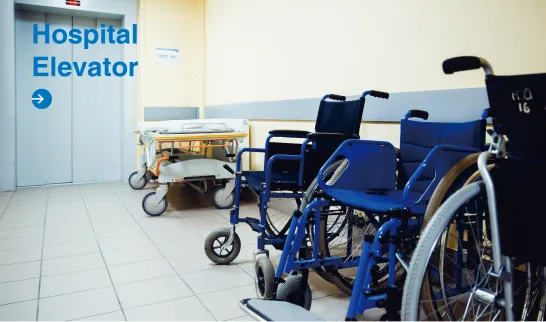
Picture this: It's 8:45 AM at Metropolitan General Hospital. Doctors rush to morning rounds, nurses hurry with med carts, patients in wheelchairs queue up, and families anxiously try to visit loved ones. Everyone's headed to different floors, but they're all united by one frustrating bottleneck – those endlessly slow elevators. Sound familiar?
Elevator delays during peak hours aren't just an inconvenience; they're a critical system failure impacting patient care, staff efficiency, and emotional well-being. A nurse carrying time-sensitive medication shouldn't be late because she missed two full elevators. An elderly patient shouldn't endure panic when elevator delays make them late for dialysis. These are daily realities in hospitals worldwide.
We often underestimate how much elevator delays affect healthcare delivery:
And the financials? Overcrowding costs the average 500-bed hospital $2-4 million annually in operational inefficiencies. Yet many facilities treat elevator flow as an afterthought rather than a core system.
Instead of all departments starting at 8 AM, stagger schedules:
Toronto General reduced peak demand by 28% through shift dispersion without changing overall hours.
Implement hospital app features allowing:
Like restaurant reservations but for vertical transit. Some elevator suppliers are pioneering AI systems that learn daily patterns to pre-allocate cars.
Create specialized pathways:
Mayo Clinic implemented "Code Blue Elevators" – instantly cleared for emergencies using override keys carried by rapid response teams.
Architectural changes deliver powerful solutions:
Disney doesn't just manage queues – it designs waiting experiences. Hospitals could learn from this:
A children's hospital in Seattle reduced stress complaints by 62% simply by adding interactive aquarium displays near elevator banks – turning anxious waits into discovery moments.
Singapore General Hospital overhauled vertical transport by:
Results? 33% reduction in peak waits, 17% decrease in staff tardiness, and 41% improvement in patient satisfaction with transport services.
Not every solution requires major construction:
Conduct elevator servicing during overnight low-usage periods rather than mid-morning. Simple rescheduling at Johns Hopkins prevented 19 morning hour outages monthly.
Place frequently used items (linens, IV poles) on multiple floors. One hospital avoided 78 daily elevator trips for supply runs through strategic stocking.
Fun reminders about:
Elevator efficiency metrics should appear in leadership dashboards:
| Metric | How to Track | Improvement Target |
|---|---|---|
| Peak Hour Wait Time | Sensors/digital surveys | Under 3 minutes 90% of time |
| Staff Delay Incidents | Anonymous staff reporting | < 5% of shift starts affected |
| Transportation-On-Time % | Patient transport logs | >95% punctuality |
Behind every elevator delay statistic are human experiences:
When we improve elevator flow, we're not just moving people – we're honoring time, reducing suffering, and restoring dignity. That's why this matters beyond efficiency metrics.
Getting started doesn't require massive investment:
Consider partnering with specialized elevator suppliers who understand healthcare constraints. They'll help customize solutions beyond standard office building approaches.
Final Thought: In healthcare, minutes aren't just minutes – they're moments of anxiety, hope, or healing. Designing compassionate vertical journeys matters just as much as optimizing clinical pathways. Because every floor change is part of someone's healthcare story.
Recommend Products












