
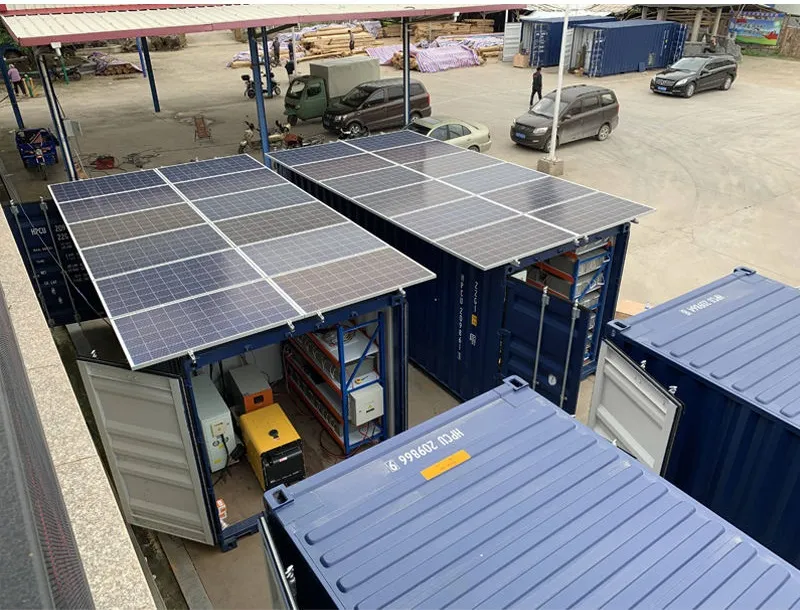
Look, I get it. When factory managers and warehouse operators hear "solar panels," they often picture dollar signs flying out the window. But what if I told you that solar is one of the smartest cost-cutting weapons you’re not using? That’s right—we’re flipping the script.
Over the past decade, solar tech has transformed from a pricey novelty into a legitimate money-saver for industrial operations. And trust me, I’ve seen the journey firsthand while helping facilities like yours trim six-figure energy bills. This isn't just feel-good environmental fluff—it’s about survival in a world where energy prices swing wildly.
Picture this: Your production line hums 24/7. Conveyor belts roll. Machinery whirs. HVAC systems pump. All that activity? It slurps power like a thirsty beast. In fact, the average warehouse guzzles 95 billion kilowatt-hours annually —that’s enough electricity to light up a small country.
And here's the kicker: traditional energy prices aren't getting friendlier. Since 2011, industrial electricity rates have climbed steadily, turning your utility bill into a financial rollercoaster. One facility manager told me: "It’s like budgeting blindfolded—every quarterly statement is a gut punch."
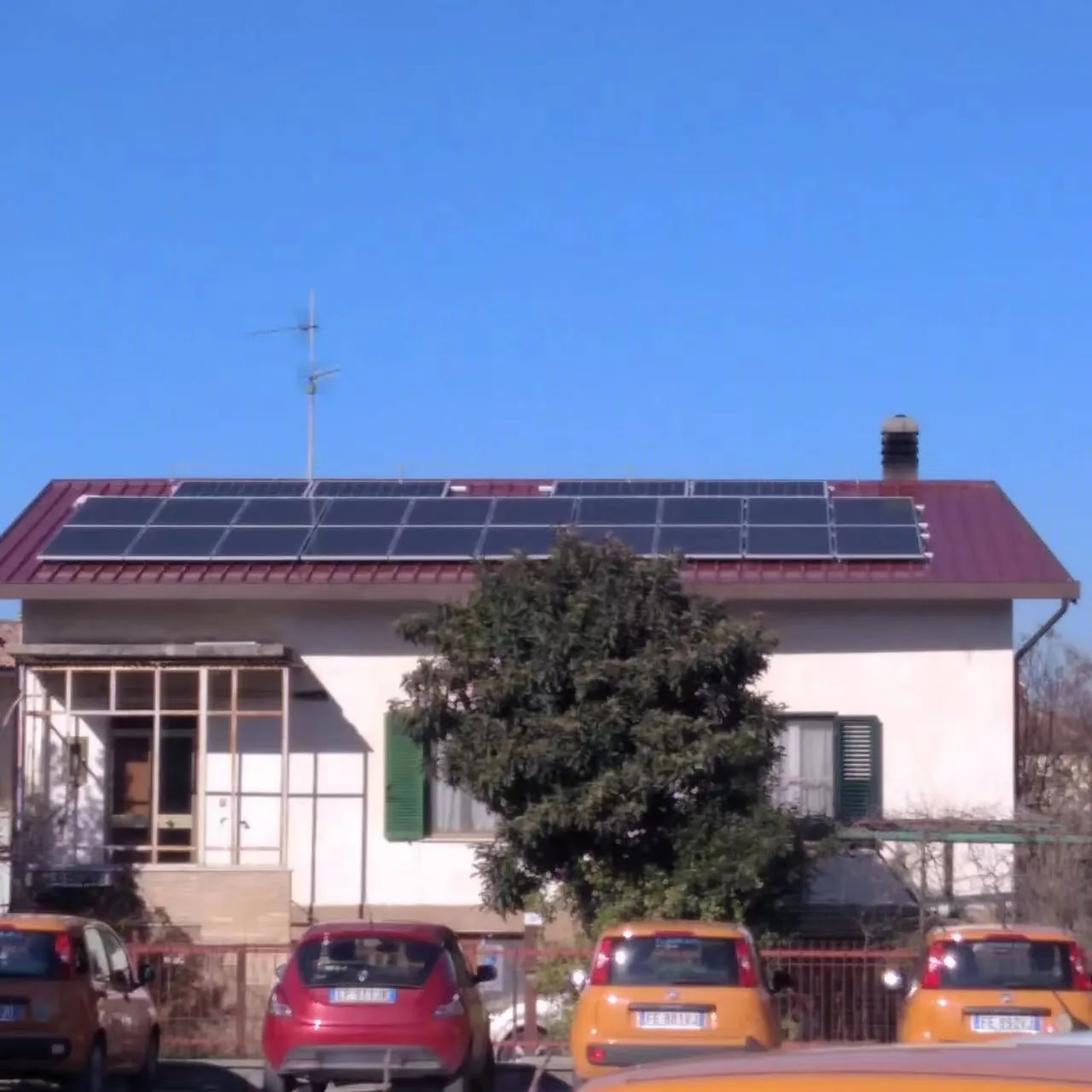
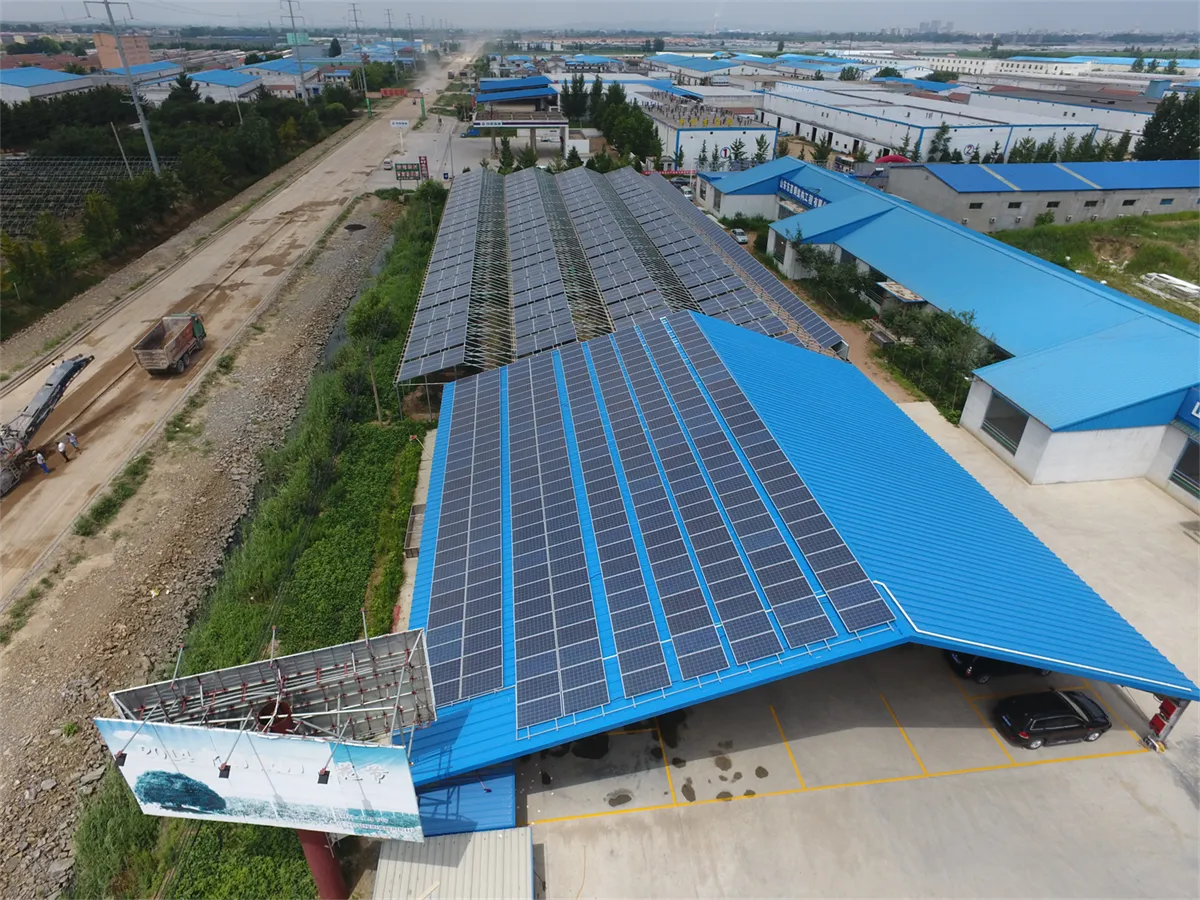
Most factories have flat, unobstructed rooftops that get baked by the sun all day. That space is doing nothing but collecting dust and pigeon droppings. Why not turn it into an asset?
I visited a packaging facility in Ohio last year where they installed panels across 80% of their roof surface. Now their peak summer energy bills? Down by 62% . Their CFO actually smiled when showing me the numbers—a rare sight in this business!
Here’s the truth nobody tells you: Solar’s real superpower isn’t generating energy—it’s giving you cost predictability . Once your panels are humming, you’ve locked in your "fuel" cost for 25+ years. No more guessing games when energy markets spike.
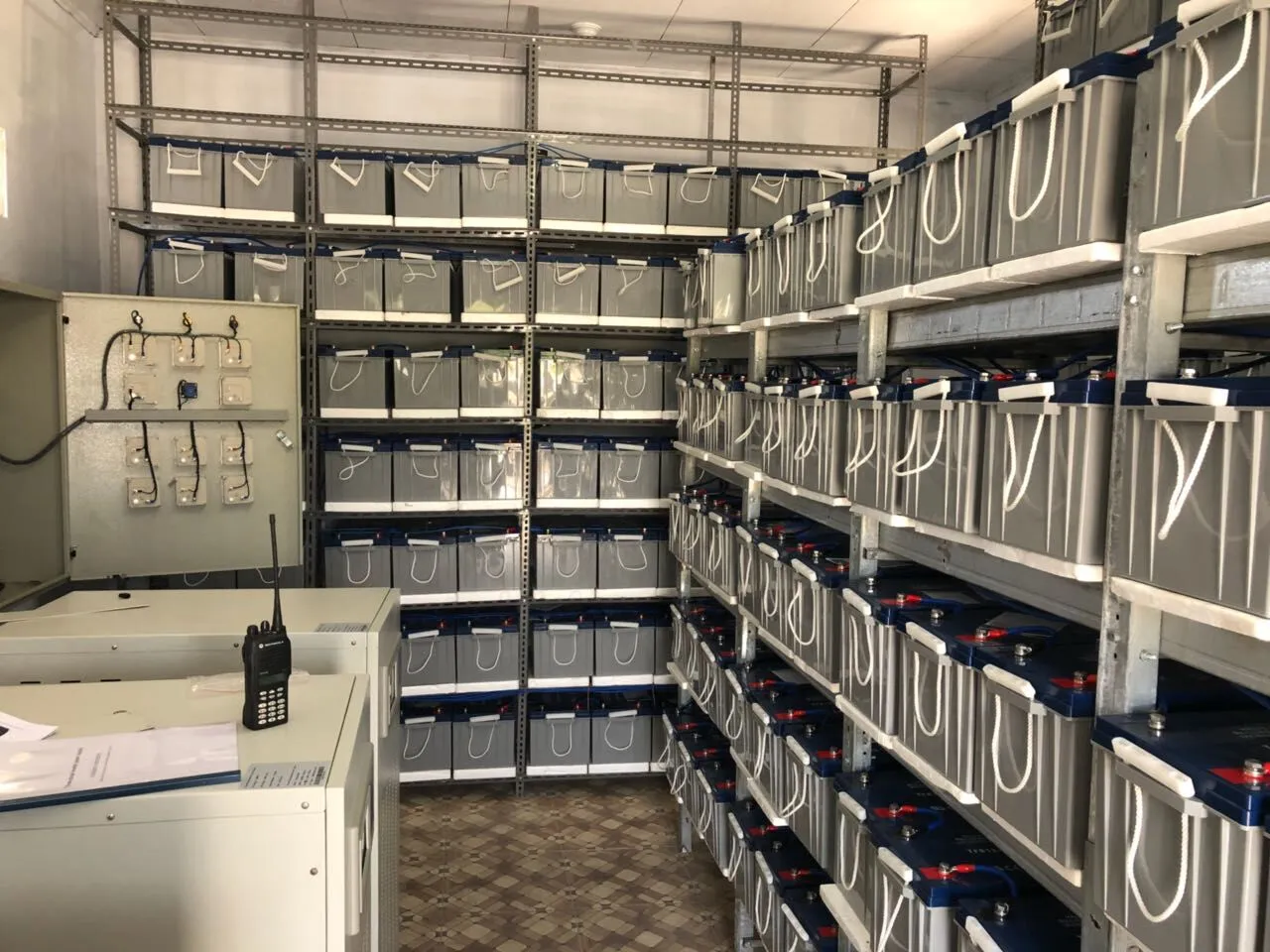
At an automotive parts factory in Texas, they combine panels with battery storage for the ultimate combo: sun-generated power plus nighttime protection. During a July heatwave when the grid faltered, they powered their critical operations without blinking—and saved $11,000 that month alone in demand charges.
You know what’s sweeter than honey? Uncle Sam paying nearly a third of your solar installation. With the current Investment Tax Credit (ITC), businesses can knock 30% off project costs right from their tax bill.
A food processing plant in Pennsylvania stacked three incentives together, slicing their payback period to just 3.4 years. They’re now 14 years into their investment with essentially free daytime power.
Unlike old inverters, these adjust to sunlight changes in milliseconds—no production dips on partly cloudy days
Store cheap noon sun for $250/MWh night shift power instead of $450 grid rates
Catch underperforming panels before they impact savings
These innovations aren't theoretical—they're battle-tested. Consider customized solar power solutions like automated mounting systems adapting panels to curved roofs. A textile mill in Georgia deployed these, squeezing 40% more generation from their unconventional structure.
Client:
Midwest Beverage Distributor
Challenge:
$18,000 monthly bills + fragile grid reliability
Solution:
750kW rooftop solar + 200kWh battery
"During the February ice storm that knocked out regional power, we ran our refrigerated section entirely on solar-stored energy. That alone justified our investment—customers couldn't believe we stayed open when competitors went dark."
— Operations Director
I won’t pretend the environmental benefits are why you started reading this. But let me share a secret: sustainability sells. When that cardboard manufacturer in Oregon switched to solar:
Their brand became synonymous with innovation overnight. Solar panels aren’t just hardware—they’re branding billboards that scream “We’re forward-thinking.”
Don’t just take my word for it—use this roadmap:
Remember: Solar isn’t an expense—it’s a productivity upgrade for your balance sheet.
Industrial solar has crossed a threshold. With today’s tech and incentives, factories cutting energy costs aren’t “early adopters”—they’re pragmatists protecting margins. That metal stamping shop that saved $500K/year? They’re reinvesting in new CNC machines. The fulfillment center with solar-cooled warehouses? Attracting Amazon contracts.
Your roof is collecting sun right now. Why let it go to waste? Transform it into your most predictable cost advantage.
Recommend Products












