
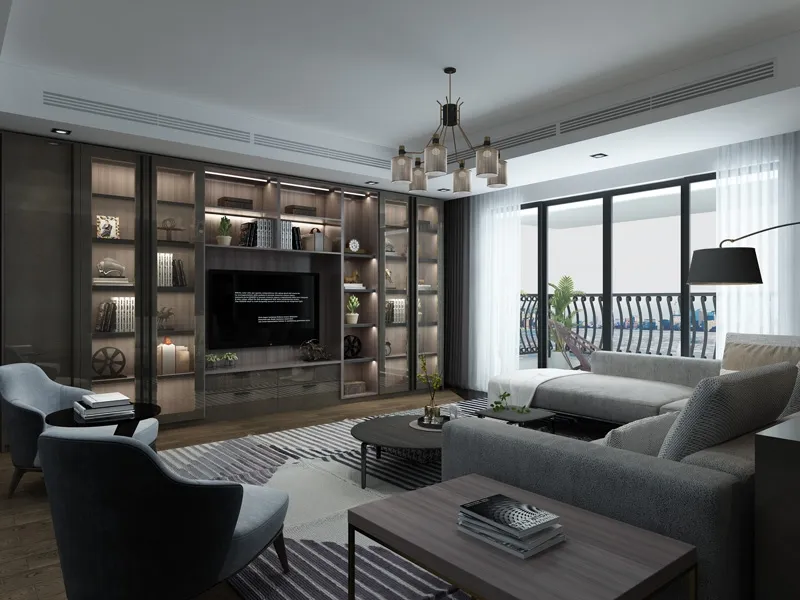
Most folks think couches or paint colors set the vibe in a living room, but let me tell you a designer secret: your TV cabinet is actually the MVP. Why? Because it’s that sweet spot where function meets fashion. A well-chosen cabinet turns your TV area from "eh, just another screen" into "wow, that feels intentional."
Ever notice how some rooms feel slightly off? Often it's because the TV console is fighting with the decor instead of complementing it. Your cabinet should echo your design choices, not scream for attention like the TV it supports. That's how you build possibilities grounded in visual storytelling.
Just like you wouldn’t wear hiking boots to a black-tie event, you shouldn’t slap a rustic barnwood cabinet into a sleek minimalist space. Let’s crack the code:
Think walnut finishes and hairpin legs. Low-profile cabinets with clean lines—maybe even a credenza-style piece that whispers “Mad Men” vibes. Stay away from anything bulky or ornate.
Here's where metal pipes and reclaimed steel shine. Look for pieces with exposed hardware and matte finishes. Bonus points if it incorporates raw wood and subtle antique textures.
Prioritize light woods like oak or ash with tapered legs. Storage should feel invisible—sliding doors or minimalist drawers. Keep colors muted: creams, grays, soft blues.
Choosing a gorgeous cabinet that doesn’t actually fit is like buying the perfect shoes two sizes too small. Three critical measurements prevent regret:
Cabinet width should be 1.5x your TV size. Example: 65" TV needs ~98" wall space including side breathing room. Always leave 3-5 inches clearance at each end.
Anything deeper than 18" starts to invade your space. Slim profiles (under 15") feel modern while deeper cabinets anchor traditional setups.
TV centers should hit seated eye level (42" off floor typically). Cabinet height then informs TV mounting height—they're a team.
Wood, metal, glass... each sends subconscious signals about your space. Oak says "organic warmth," powder-coated steel shouts "urban edge," while lacquer screams "polished luxury."
When designing custom furniture solutions—especially wood plastic decorative material pieces—consider how light plays with textures. Matte finishes absorb light softly while gloss reflects drama. Your material choice either grounds or energizes the area.
Nothing sabotages aesthetics faster than dangling wires. Solutions that hide power chaos include:
Pro tip: Mount power strips vertically inside cabinets to prevent outlet "octopuses."
Your cabinet should evolve with you—whether that means accommodating a soundbar next year or hiding gaming gear. Look for:
Remember: The right cabinet isn’t decoration—it’s the stage director for your entire living experience.
Recommend Products












