
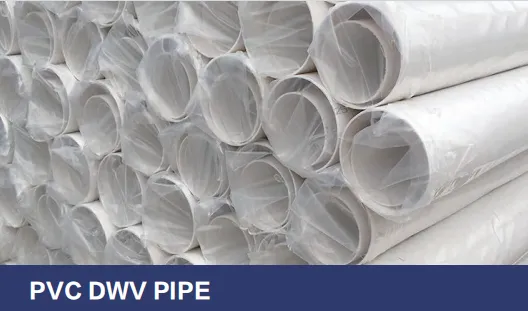
Let's start with the obvious: if you're in construction, whether you're building a cozy suburban home or a sprawling commercial complex, the materials you choose can make or break your project's budget. And when it comes to plumbing systems—specifically drainage, waste, and vent (DWV) systems—PVC DWV pipes are the unsung heroes. They're durable, corrosion-resistant, and cost-effective, but that doesn't mean you should overpay for them. In fact, negotiating smartly with your PVC DWV pipe supplier can save you thousands of dollars, freeing up cash for other critical parts of your project. But how do you go from awkward haggling to a win-win deal? Let's break it down, step by step.
Before you even pick up the phone to call a supplier, you need to get crystal clear on your project's requirements. Negotiating without this info is like trying to hit a target blindfolded—you might get lucky, but chances are you'll waste time (and money). Let's say you're building a 50-unit apartment building. You'll need PVC DWV pipes in various diameters, from 1.5-inch for sinks to 4-inch for main drains. But here's the thing: not all pipes are created equal. Are you using ASTM D2665 standards? What about wall thickness? Will the pipes be exposed to extreme temperatures or chemicals? These details matter because they'll affect both the price and the supplier's ability to meet your needs.
And don't forget to think beyond the immediate project. Are you planning a second phase in six months? Do you work on similar projects regularly? If so, mentioning this to your supplier could open the door to long-term contract discounts. For example, a supplier might offer better rates if you commit to buying 5,000 feet of pipe over the next year, rather than 1,000 feet now. PVC DWV pipe solutions aren't just about the pipes themselves—they're about aligning supply with your project's lifecycle.
Gone are the days when you'd rely on the Yellow Pages to find a supplier. Today, a quick online search will pull up dozens of options, but not all PVC DWV pipe suppliers are created equal. Some specialize in residential projects, others in commercial; some focus solely on pipes, while others are one-stop architectural solution providers that offer everything from pipes fittings to flooring and wall panels. Your goal here is to find suppliers who don't just sell products—they sell solutions that fit your unique needs.
Start by checking their credentials. Look for certifications like ISO 9001 (quality management) or NSF/ANSI 61 (safe for drinking water systems, though DWV pipes aren't for potable water, but it shows commitment to standards). Read reviews on platforms like Google or industry forums—were past clients happy with delivery times? Did the supplier honor their quoted prices? Also, ask around: fellow contractors, architects, or project managers might have hidden gems to recommend. One contractor I know in Jeddah swears by a supplier who doesn't just deliver pipes but also sends a technician to inspect installations—free of charge. That's the kind of value you want.
Negotiation isn't about strong-arming someone into a lower price—it's about creating leverage. And leverage comes from preparation. Here's what you need to do before sitting down at the table (or hopping on a Zoom call):
Now comes the fun part: actually negotiating. This isn't about being aggressive—it's about being strategic. Here are proven tactics to get the best deal, along with a breakdown of how to use them:
| Tactic | How to Implement It | Expected Outcome |
|---|---|---|
| Bulk Discounts | "We need 8,000 feet of 3-inch PVC DWV pipe over the next 3 months. What kind of discount can we get for committing to that volume?" | 5-15% off per foot, depending on quantity. Some suppliers may also throw in free delivery for large orders. |
| Long-Term Contracts | "We have 3 more projects lined up this year. If we sign a 12-month contract for all our DWV needs, can we lock in this price?" | Stable pricing (no surprise hikes), priority delivery, and sometimes access to new product lines first. |
| Bundle with Other Products | "We also need pipes fittings and PPR pipes for the water lines. If we buy everything from you, can we get a package discount?" | 5-10% off the total order, plus simplified logistics (one delivery instead of multiple). |
| Flexible Payment Terms | "We can pay 30% upfront, 50% upon delivery, and 20% after installation. Would that help you offer a better rate?" | Suppliers may accept lower margins for predictable cash flow, especially if you have a strong credit history. |
| Value-Added Services | "Instead of a lower price, can you include free technical support for our installers or extend the warranty to 5 years?" | Added protection against defects, plus expert guidance that saves time during installation. |
Let's put this into context. Imagine you're negotiating with a supplier who initially quotes $2.50 per foot for 3-inch PVC DWV pipe. You mention you need 10,000 feet over six months (bulk order), and you're also in the market for pipes fittings (bundle). You ask, "If we commit to 10k feet and add $5,000 worth of fittings, what's the best you can do?" They might counter with $2.20 per foot and a 5% discount on fittings—saving you $3,000 on pipes alone. That's the power of combining tactics.
Here's a secret many new negotiators miss: sometimes, the best "deals" aren't about lower prices. They're about getting extra value that saves you time, reduces risk, or improves your project's quality. For example, a supplier might not budge on price, but they could agree to store extra pipes at their warehouse for free, so you don't have to rent space on-site. Or they might offer to rush a last-minute order at no extra cost if your project hits a snag. These "extras" can be just as valuable as cash in your pocket.
Another angle: PVC DWV pipe solutions often come with technical nuances. If you're working on a hospital or school, for instance, you might need pipes that meet strict fire codes. A knowledgeable supplier should be able to walk you through compliance requirements, recommend the right thickness, or even connect you with engineers who can review your plans. That kind of support isn't just helpful—it's priceless when you're up against a tight deadline.
You've shaken hands (or clicked "send" on that contract), and you're thrilled with the terms. Now what? Too many contractors treat suppliers like vending machines—order, pay, repeat—without investing in the relationship. Big mistake. Your PVC DWV pipe supplier isn't just a vendor; they're a partner in your project's success. Nurturing that relationship can lead to better deals down the line, priority service during peak seasons, and even insider tips on upcoming material shortages (so you can stock up early).
How to do this? Start by paying on time—suppliers remember clients who honor their payment terms. After delivery, send a quick note: "The pipes arrived on schedule, and the crew says the quality is top-notch. Thanks!" If there's a minor issue (e.g., a few damaged pipes), address it calmly instead of blowing up—most suppliers will fix problems quickly to keep a good client. And when you finish the project, share photos or a testimonial they can use on their website. It costs you nothing, but it builds goodwill.
Negotiation is a skill, and even pros make mistakes. Here are the ones to watch out for:
Mistake #1: Focusing only on price. A $2 per foot pipe might seem like a steal, but if it cracks under pressure and causes leaks, you'll spend far more on repairs. Always balance cost with quality and supplier reliability.
Mistake #2: Skipping the fine print. "Delivery in 2 weeks" sounds great—until the contract says "2 weeks from payment," and you forgot to clarify when payment is due. Read every line, and ask for clarification on vague terms (e.g., "standard warranty" could mean 1 year or 5 years).
Mistake #3: Ignoring delivery logistics. A supplier in another city might offer lower prices, but shipping costs and delays could erase those savings. Factor in delivery time, transportation fees, and who's responsible if pipes get damaged en route.
Mistake #4: Burning bridges. Even if a negotiation doesn't work out, thank the supplier and keep the door open. You never know when you might need a backup option.
At the end of the day, negotiating with PVC DWV pipe suppliers is about more than getting a lower price—it's about building partnerships, protecting your budget, and ensuring your projects run smoothly. By understanding your needs, researching suppliers, preparing thoroughly, and focusing on value (not just cost), you'll turn what feels like a chore into a strategic advantage. And remember: the best negotiators aren't born—they're made. Each conversation, each deal, and even each mistake will make you better. So go ahead—pick up that phone, armed with your research and confidence. Your project (and your wallet) will thank you.
Recommend Products












