


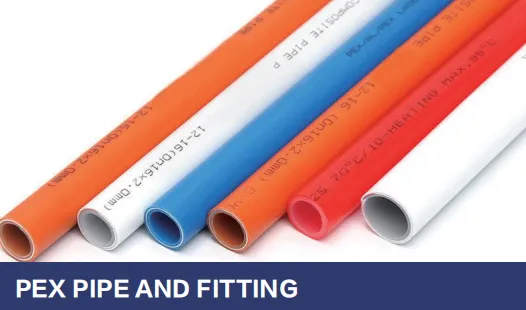
Walk into any newly built home, renovated kitchen, or commercial space today, and there's a good chance the plumbing system running behind the walls, under the floors, and through the ceilings is made of PEX. Short for cross-linked polyethylene, PEX has revolutionized the plumbing industry over the past few decades, and it's not hard to see why. Flexible enough to bend around corners without elbows, resistant to corrosion, and surprisingly durable, PEX pipes and fittings have become the go-to choice for both residential and commercial projects. But like any hardworking system in your home or business, PEX needs a little TLC to keep performing at its best.
Think about it: your PEX system is quietly working 24/7, delivering hot water for morning showers, cold water for cooking, and ensuring every faucet, appliance, and fixture runs smoothly. When it's functioning well, you barely notice it. But when something goes wrong—a leak, a blockage, or a frozen pipe—it can quickly turn into a stressful, expensive problem. That's where maintenance comes in. Proactive care isn't just about fixing issues; it's about preventing them from happening in the first place. And the good news? Maintaining PEX pipe and fitting systems doesn't have to be complicated. With a few simple habits and expert insights, you can keep your system running efficiently for decades.
In this guide, we'll dive into everything you need to know about maintaining your PEX pipe and fitting systems. From regular inspections that catch problems early to step-by-step tips for cleaning, repairing, and protecting your pipes, we'll cover it all. We'll also touch on why choosing the right materials matters—because even the best maintenance can't low-quality parts. That's where partnering with a reliable pex pipe and fitting supplier becomes key; quality pex pipe and fitting solutions lay the foundation for a system that's easier to care for and built to last.










