

If you've ever walked past a modern commercial building or a sleek residential home and found yourself admiring the striking stone-like exterior, chances are you were looking at MCM flexible cladding stone wall panels. These panels have taken the architectural world by storm, and it's easy to see why. They offer the timeless beauty of natural stone with added benefits like flexibility, durability, and lighter weight—making them a top choice for both interior and exterior walls. But here's the thing: even the most durable materials need a little TLC to stay looking their best. Whether you're a homeowner who recently installed them or a property manager responsible for maintaining a commercial space, knowing how to care for these panels is key to ensuring they stand the test of time. Let's dive into the ins and outs of MCM panel maintenance, from daily cleaning to long-term care, so you can keep your walls looking as impressive as the day they were installed.
Before we get into maintenance, let's quickly recap what makes MCM panels so special. MCM stands for "Mineral Composite Material," and these panels are crafted from a blend of natural minerals, resins, and fibers. The result? A product that mimics the look of natural stone—think granite, marble, or slate—but with a flexibility that allows it to bend slightly, making installation easier on curved surfaces or uneven walls. Unlike heavy natural stone slabs, MCM panels are lightweight, which reduces stress on building structures, and they're resistant to many common issues like cracking, fading, and water damage. It's no wonder they're a favorite among architects and designers, and why so many turn to a trusted MCM flexible cladding stone wall panel supplier to source their materials. But even with all these built-in benefits, proper maintenance is the secret to unlocking their full lifespan potential.
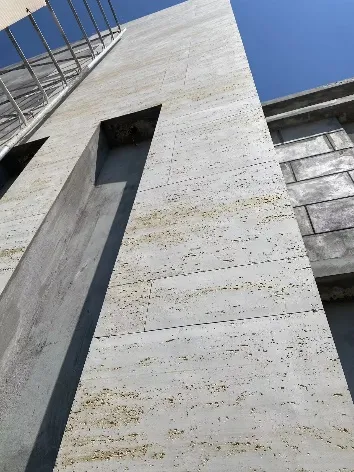
You might be thinking, "These panels are tough—can't I just install them and forget about them?" While it's true that MCM panels are more low-maintenance than some other wall materials, neglecting them can lead to bigger problems down the line. First, there's the aesthetic factor: dull, stained, or damaged panels can drag down the entire look of your space, whether it's a storefront that should attract customers or a home that should feel welcoming. But beyond looks, maintenance helps preserve the panel's structural integrity. Small issues like a loose edge or a tiny crack can let in moisture, which over time can lead to mold, mildew, or even damage to the underlying wall structure. And let's not forget cost—replacing damaged panels is far pricier than spending a little time each month on upkeep. So, think of maintenance as an investment: a few minutes here and there to save yourself time, money, and headaches later.
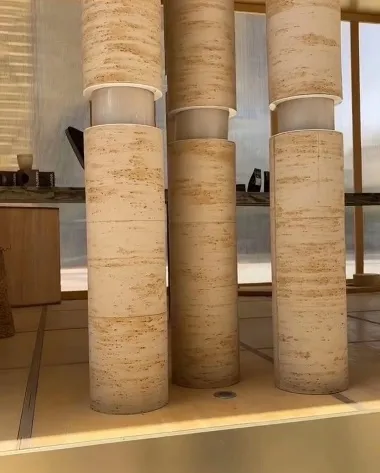
Let's start with the basics: daily or weekly cleaning. This is the foundation of MCM panel care, and it's surprisingly easy. The goal here is to remove surface dust, dirt, and debris before they have a chance to build up and become harder to clean. For most spaces, a quick wipe-down with a soft, dry cloth or a feather duster will do the trick—especially for interior panels that aren't exposed to the elements. If you're dealing with exterior panels or areas that get a bit more grime (like near a busy street or a kitchen), you'll want to use a mild cleaning solution.
Here's a step-by-step for wet cleaning: mix a few drops of a gentle, pH-neutral detergent (think dish soap like Dawn or a mild all-purpose cleaner) into a bucket of warm water. Dip a soft sponge or microfiber cloth into the solution, wring it out so it's damp (not soaking wet), and gently wipe the panels in a circular motion. Avoid using abrasive tools like scouring pads, steel wool, or stiff-bristled brushes—these can scratch the panel's surface and ruin that smooth, stone-like finish. After wiping, rinse the sponge or cloth in clean water and go over the panels again to remove any soap residue. Finally, dry the panels with a clean, dry cloth to prevent water spots, especially if you're cleaning interior panels in a humid area like a bathroom or kitchen.
Pro tip: If you're cleaning exterior panels on a hot, sunny day, work in small sections. The water can dry too quickly, leaving streaks, so wipe and dry one area at a time. And always check the cleaning product with your MCM flexible cladding stone wall panel supplier first—some harsh chemicals (like bleach, ammonia, or acidic cleaners) can discolor or degrade the panel's finish over time.
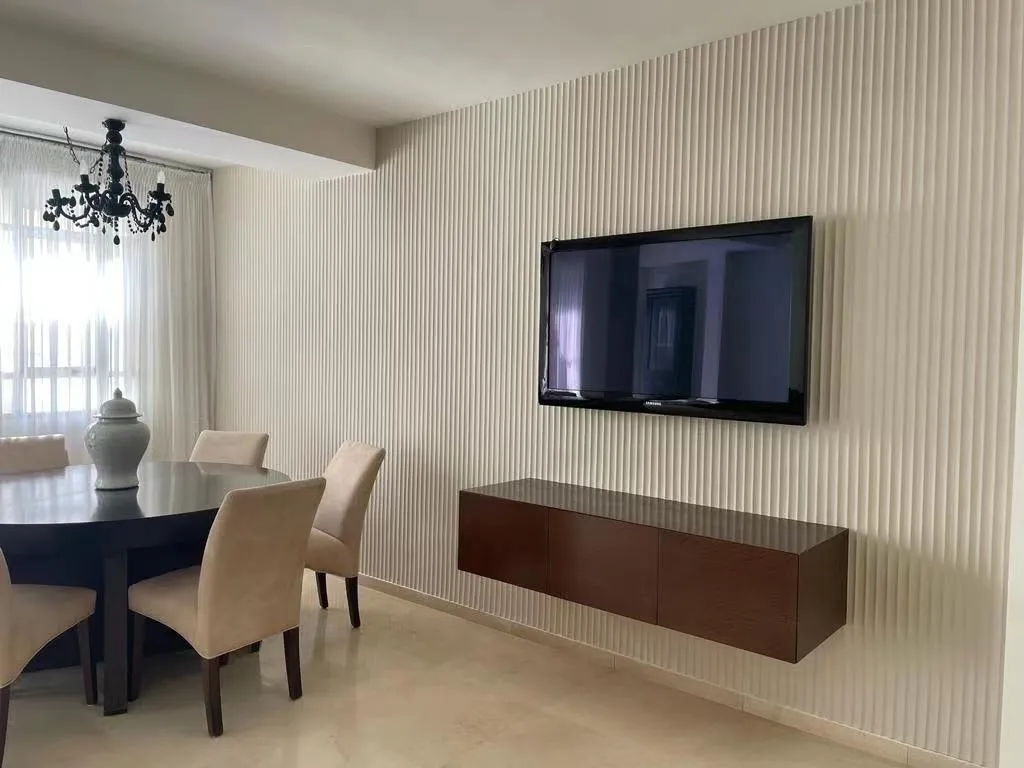
Daily cleaning keeps the panels looking fresh, but periodic inspections help you spot issues before they escalate. Aim to do a thorough check every 3–6 months, depending on whether the panels are indoors or outdoors. Exterior panels, which face rain, wind, sun, and temperature changes, will need more frequent inspections than interior ones. Grab a flashlight (to check hard-to-see corners), a notebook (to jot down notes), and maybe a ladder (for high exterior walls), and let's get started.
What should you look for? Start with the edges and seams of the panels. Are there any gaps between panels? Over time, weather or building settling can cause panels to shift slightly, creating spaces where water or pests could sneak in. Next, check for lifting or peeling corners—this is often a sign that the adhesive holding the panel in place is weakening. Then, inspect the surface for cracks, chips, or discoloration. Small cracks might seem minor, but they can grow if water seeps in and freezes (in cold climates) or if debris gets trapped inside. Discoloration could be from mold, mildew, or a stain that wasn't cleaned up promptly. Don't forget to check around fixtures or protrusions, like windows, doors, or outdoor lights—these areas are prone to water pooling, which can damage both the panels and the wall behind them.
If you notice any of these issues, make a note of their location and severity. For small problems (like a tiny chip or a minor stain), you might be able to fix them yourself. For bigger issues (like widespread lifting panels or large cracks), it's time to call in a professional—preferably someone familiar with MCM panels, or even reach out to your original MCM flexible cladding stone wall panel supplier for recommendations. They might have specific repair kits or techniques that work best with their products.

Even with regular cleaning, stains can pop up. Maybe a bird leaves a present on your exterior wall, or someone spills coffee on an interior panel. The key is to act fast—the longer a stain sits, the harder it is to remove. Let's break down how to handle some of the most common culprits:
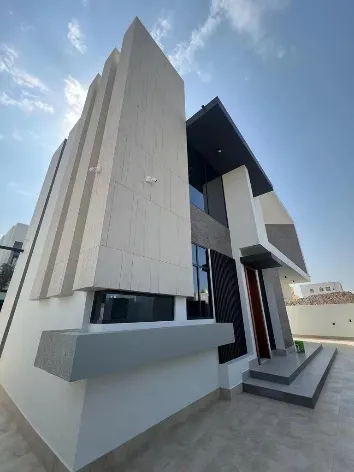
Exterior MCM panels face the brunt of Mother Nature, so they need a little extra love. Let's break down how to protect them from different weather conditions:
Sunlight: While MCM panels are fade-resistant, prolonged exposure to harsh UV rays can still cause some color lightening over time, especially in very sunny climates. To minimize this, consider installing awnings or overhangs over south-facing walls, or ask your MCM flexible cladding stone wall panel supplier about UV-protective coatings that can be applied during installation. If you notice fading, it might be time for a professional cleaning or, in extreme cases, a fresh coat of sealant (more on that later).
Rain and Humidity: MCM panels are water-resistant, but they're not entirely waterproof. Over time, water can seep into small cracks or gaps, leading to mold or damage to the wall behind. To prevent this, ensure that your panels are properly sealed at the seams during installation, and check these seals during your periodic inspections. If you notice cracked or missing sealant, replace it with a high-quality silicone caulk that's compatible with MCM materials. In rainy seasons, clear debris from gutters and downspouts to prevent water from overflowing and running down the panels, and avoid directing sprinklers at the walls—constant moisture can lead to mildew.
Snow and Ice: In cold climates, snow and ice can be tough on exterior panels. When removing snow, use a soft-bristled broom or a plastic shovel—never a metal shovel, which can scratch the panels. Gently brush snow off in the direction of the panel seams to avoid forcing snow into gaps. For ice, avoid using salt or chemical deicers, as these can damage the panel's finish. Instead, use sand or kitty litter to add traction, and let ice melt naturally. If you must speed up melting, use a calcium chloride-based deicer in small amounts, and rinse the area with water once the ice is gone to remove residue.
Wind and Debris: Strong winds can hurl dirt, leaves, or even small branches at your panels, causing scratches or dents. Trim back overhanging tree branches to reduce the risk of debris impact, and secure any loose outdoor items (like patio furniture or trash cans) during storms. After a windy day, do a quick inspection to check for new scratches or dents, and clean off any debris that's stuck to the panels.
Even with the best care, minor damage can happen. The good news is that many small issues can be fixed at home with a few simple tools. Here's how:
Small Cracks or Chips: For cracks less than 1/8 inch wide or small chips, start by cleaning the area with mild soap and water, then dry thoroughly. Next, use a putty knife to apply a color-matched epoxy filler (your MCM flexible cladding stone wall panel supplier might sell this specifically for their panels). Smooth the filler so it's level with the panel surface, and let it dry according to the product instructions. Once dry, gently sand the area with fine-grit sandpaper (400–600 grit) to blend it in, then wipe away dust and apply a clear sealant to protect the repair.
Loose Panels: If a panel is starting to lift at the edges, first check if the adhesive has failed. Use a putty knife to gently pry the panel away from the wall (be careful not to bend it), and scrape off any old, dried adhesive. Clean both the back of the panel and the wall surface with rubbing alcohol to remove dust and grease. Then, apply a fresh layer of MCM-compatible adhesive (again, check with your supplier for the right product) to the back of the panel, press it firmly into place, and secure it with painter's tape until the adhesive dries (usually 24–48 hours). Remove the tape and seal the edges with silicone caulk to prevent water intrusion.
Faded Areas: If a small section of your panel has faded (maybe from prolonged sun exposure), you might be able to touch it up with a color-matched paint or stain. Ask your MCM flexible cladding stone wall panel supplier for touch-up kits—they'll have the exact color and finish to match your panels. Test the paint on a hidden area first, apply thin coats, and let each coat dry completely before adding more. Finish with a clear sealant to protect the new color.
While daily and periodic maintenance will handle most issues, long-term care involves a few extra steps to keep your panels in top shape for decades. One of the most important is resealing. MCM panels often come with a factory-applied sealant that helps repel water and stains, but this sealant wears off over time—usually every 3–5 years for exterior panels and 5–7 years for interior ones. To check if your panels need resealing, do the "water test": sprinkle a few drops of water on the panel. If the water beads up and rolls off, the sealant is still good. If it soaks into the panel and darkens the color, it's time to reseal.
Resealing is a bit more involved than daily cleaning, but it's manageable. Start by thoroughly cleaning the panels (use a pressure washer on a low setting for exteriors, or a deep clean with mild detergent for interiors) and letting them dry completely—this can take 24–48 hours, so plan accordingly. Then, apply a clear, breathable sealant designed for MCM panels (your supplier can recommend the best one). Use a paint roller or a soft brush to apply a thin, even coat, working in small sections and following the manufacturer's instructions for drying time. Apply a second coat if needed, and avoid walking on or touching the panels until they're fully cured.
Another long-term care step is scheduling a professional inspection every 5–7 years. Even if you're diligent with DIY checks, a pro can spot issues you might miss—like hidden water damage behind the panels or structural problems with the mounting system. Many MCM flexible cladding stone wall panel suppliers offer maintenance services, or they can refer you to a contractor trained in MCM panel care. This is especially important for commercial buildings or multi-story homes, where accessing high panels safely can be tricky.
| Frequency | Tasks | Tools Needed | Notes |
|---|---|---|---|
| Daily | Dust or wipe surface with dry cloth; spot-clean small stains immediately. | Feather duster, microfiber cloth | Focus on high-traffic areas (e.g., near doors, hallways). |
| Weekly | Wipe with damp cloth and mild soap; check for visible stains or dirt buildup. | Bucket, mild detergent, soft sponge | Avoid harsh chemicals; rinse thoroughly to prevent residue. |
| Monthly | Inspect edges and seams for gaps; clean with pH-neutral cleaner. | Flashlight, notepad, soft brush | Document any issues with photos for tracking. |
| Quarterly | Deep clean (especially exteriors); check for mold, mildew, or discoloration. | Pressure washer (low setting), mold remover (if needed) | Test pressure washer on a hidden area first to avoid damage. |
| Annually | Reseal if needed; inspect for UV fading or structural damage. | Sealant, paint roller, professional inspector (optional) | Reseal exterior panels every 3–5 years; interior every 5–7 years. |
While many maintenance tasks are DIY-friendly, some issues are best left to professionals. Here are a few red flags that mean it's time to pick up the phone:
At the end of the day, maintaining MCM flexible cladding stone wall panels isn't about perfection—it's about consistency. A little dusting here, a quick wipe there, and an occasional deep clean will go a long way in keeping your walls looking beautiful and lasting for decades. Remember, these panels are an investment in your space's aesthetic and value, and taking care of them shows that you value that investment. And when in doubt, don't hesitate to reach out to your MCM flexible cladding stone wall panel supplier—they're experts in their products and can offer tailored advice for your specific panels and climate. With the right care, your MCM panels will continue to turn heads and stand strong, proving that sometimes, the best things in life really do get better with a little attention.
So go ahead—grab that microfiber cloth, schedule your next inspection, and give your walls the love they deserve. Your future self (and your wallet) will thank you.
Recommend Products











