
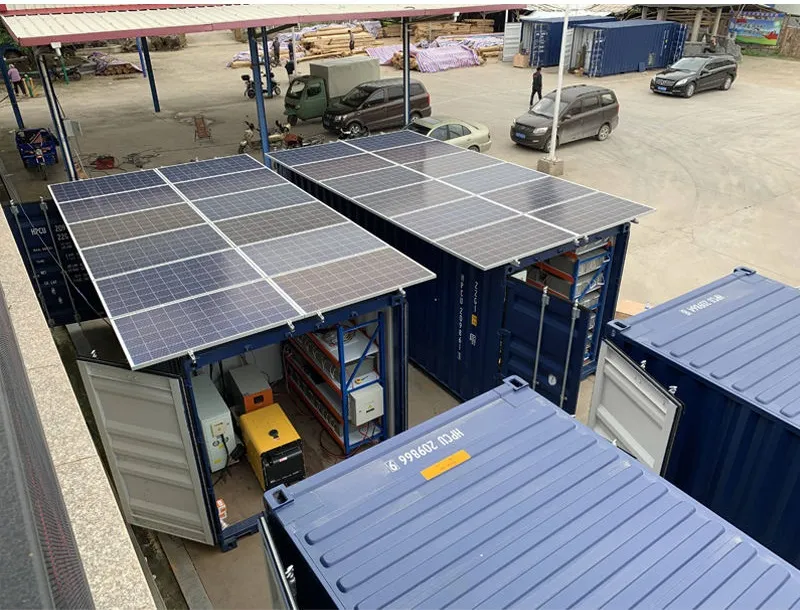
Maximizing Energy Harvest While Ensuring Durability & Sustainability
In the era of global energy transition, flat roofs—whether atop residential apartments, commercial offices, or industrial warehouses—are emerging as untapped goldmines for renewable energy. Unlike sloped roofs, they offer flexibility in layout but demand careful planning to avoid common pitfalls like water pooling, inefficient sun exposure, or structural overload. As a one-stop architectural solution provider with decades of experience in supplying green building materials , we've helped countless clients in regions like Saudi Arabia turn their flat roofs into efficient solar power stations. In this guide, we'll walk you through the step-by-step process to install solar panels on flat roofs efficiently, from initial assessment to long-term maintenance.
Before drilling a single hole, thorough preparation ensures your solar installation stands the test of time, especially in harsh climates like the Middle East. Here's what you need to focus on:
Start with a structural check: Is your roof strong enough to support solar panels? A typical solar system (panels, mounting hardware, inverters) adds 15-20 kg per square meter. For older buildings, consult a structural engineer. Next, inspect for leaks, cracks, or damaged waterproofing—repair these first to avoid trapping moisture under the panels later.
Flat roofs are prone to water pooling, so ensure proper drainage. Check if the roof has a slight slope (even 1-2 degrees) or install tapered insulation to direct water toward drains. In Saudi Arabia, where sandstorms are common, also clear debris like dust, leaves, or loose gravel that could scratch panels or block drainage.
Not all solar panels are created equal—especially for flat roofs. Opt for high-efficiency monocrystalline panels (20-23% efficiency) if space is limited, or polycrystalline (15-18%) for larger areas on a budget. For durability in hot climates, look for panels with a high temperature coefficient (less efficiency loss in heat) and anti-reflective, scratch-resistant glass.
As a solar panels supplier specializing in sustainable solutions, we often recommend our clients pair panels with green building materials like lightweight aluminum mounting frames (resistant to corrosion in coastal areas) and UV-stabilized wiring to withstand extreme temperatures. Avoid cheap plastic mounts—they degrade quickly under the Saudi sun!
| Material | Advantage for Flat Roofs | Coloria Product Example |
|---|---|---|
| Monocrystalline Solar Panels | Space-efficient, high heat tolerance | 250W-450W Monocrystalline Panels (IP68 rated) |
| Aluminum Mounting Rails | Lightweight, corrosion-resistant | Anodized Aluminum Solar Racking Systems |
| Ballasted Mounting Systems | No roof penetration, ideal for flat roofs | Concrete Block Ballast Kits (wind-load tested) |
Regulations vary by region. In Saudi Arabia, for example, you'll need approval from the Ministry of Energy and compliance with Saudi Building Code (SBC) standards for solar installations. If your building is part of a commercial complex or residential community, check with local authorities about height restrictions (panels shouldn't exceed roof parapets) and connection to the national grid. Working with a one-stop provider like us simplifies this step—we handle permit documentation and ensure all materials meet local standards, from fire ratings to wind load resistance.
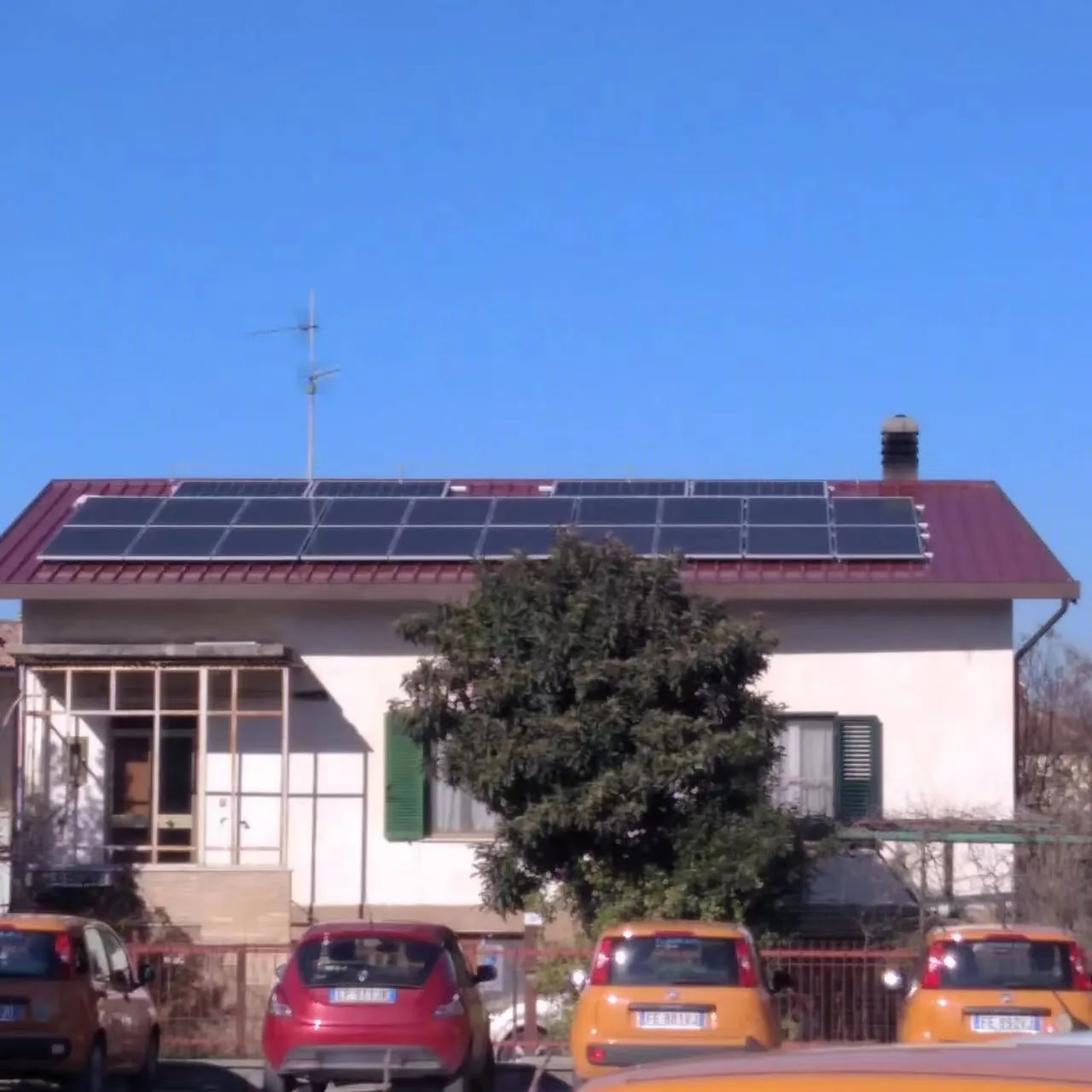
Installing solar panels on a flat roof is more than just placing panels on the roof—it's about optimizing for sun exposure, durability, and ease of maintenance. Follow these steps for a smooth process:
Flat roofs offer two main mounting options: ballasted systems (weighted down with concrete blocks, no roof holes) and penetrating systems (secured with bolts through the roof membrane). Ballasted systems are popular for flat roofs because they're non-invasive and easier to remove if needed. However, they require more weight (check local wind codes—Saudi Arabia's coastal areas need systems rated for 150+ km/h winds!).
For our clients in Riyadh, we often use a hybrid approach: ballasted rails with minimal penetration at the roof edges for extra stability. Start by laying down a protective membrane (like EPDM or TPO) under the mounts to prevent roof damage, then secure the rails parallel to each other, spaced 1-1.5 meters apart to fit panel dimensions.
Flat roofs mean panels lie horizontal by default—but that's inefficient! The optimal tilt angle equals your latitude (e.g., 25-30 degrees in Saudi Arabia) to face the sun directly. Use adjustable tilt brackets to angle panels, or install fixed racks at the calculated angle. For seasonal adjustment, some clients add manual cranks to tilt panels steeper in winter (when the sun is lower) and flatter in summer.
Spacing between panels is also critical. Leave 10-15 cm gaps to allow airflow (cooling panels improves efficiency) and prevent shading from adjacent panels. In desert regions, we recommend wider gaps (20 cm) to reduce dust buildup between panels.
Once panels are mounted, run wiring from each panel to a combiner box (junction box) using conduit to protect cables from rodents or weather. Use MC4 connectors for secure, weatherproof connections—avoid twisting wires or using electrical tape, which degrades quickly. Route wires along the mounting rails to keep them organized and off the roof surface (prevents tripping hazards during maintenance).
Connect the combiner box to an inverter (mounted in a shaded, ventilated area like a utility room) to convert DC power from panels to AC for home or office use. For larger systems, consider microinverters (one per panel) to maximize output if some panels are shaded (e.g., by HVAC units on the roof).
Before flipping the switch, test the system: Check voltage output from panels, ensure inverter displays no errors, and verify all connections are tight. In Saudi Arabia, it's also crucial to test under full sun (midday) to confirm performance matches specs. Once approved, connect to the grid (if net metering is available) and install monitoring software to track energy production—most modern inverters come with apps to check real-time output on your phone!
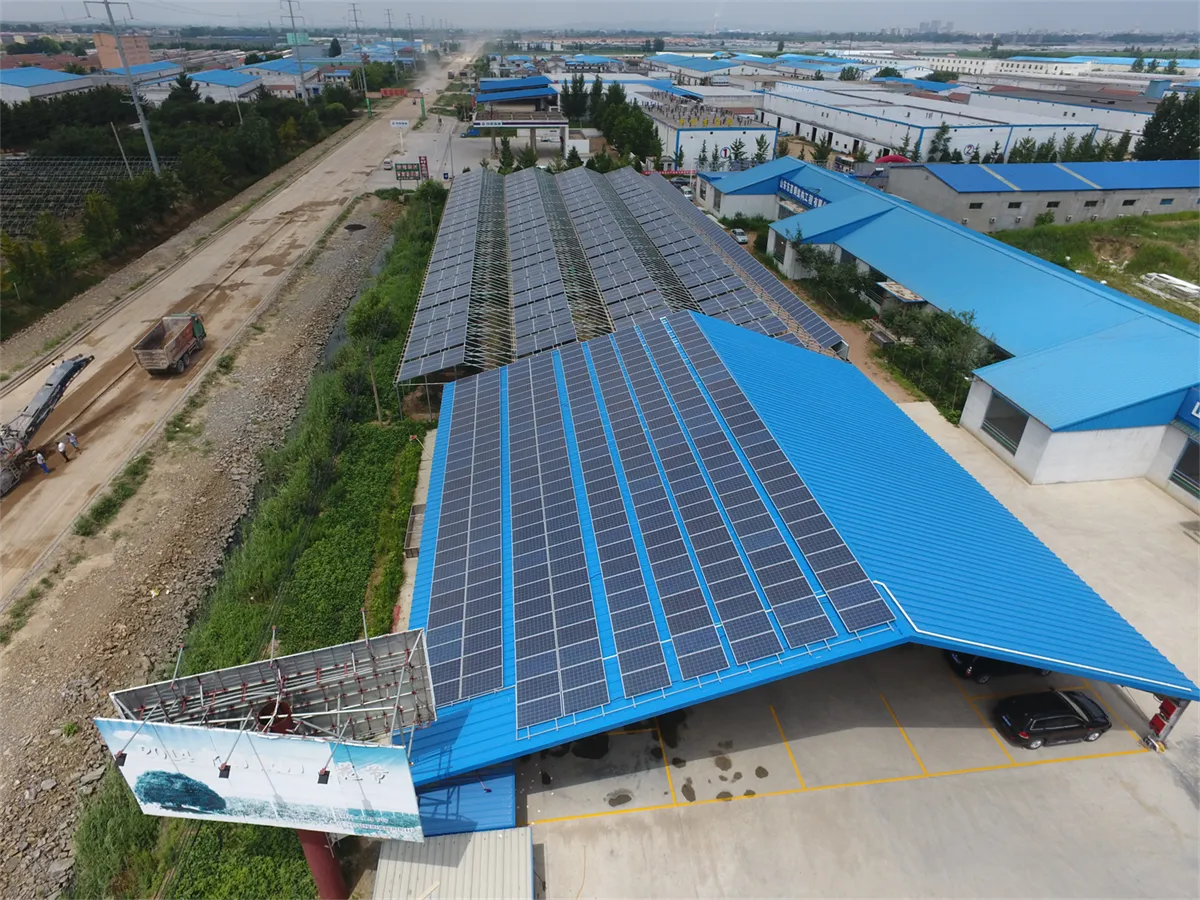
Installing panels is just the start—maintaining efficiency ensures you get the most out of your investment. Here's how:
Dust, sand, and bird droppings can reduce panel efficiency by 10-20% in dry climates. In Saudi Arabia, we recommend cleaning panels every 2-3 months with a soft brush and deionized water (tap water may leave mineral deposits). Avoid high-pressure washers—they can crack glass or dislodge wiring.
Inspect mounting hardware annually for loose bolts (common after sandstorms) and check wiring for fraying or rodent damage. For clients using our one-stop service, we offer annual maintenance packages that include cleaning, inspections, and inverter firmware updates.
Maximize sustainability by pairing solar panels with other eco-friendly solutions. For example:
Middle Eastern flat roofs face unique challenges—adapt your system accordingly. For example:
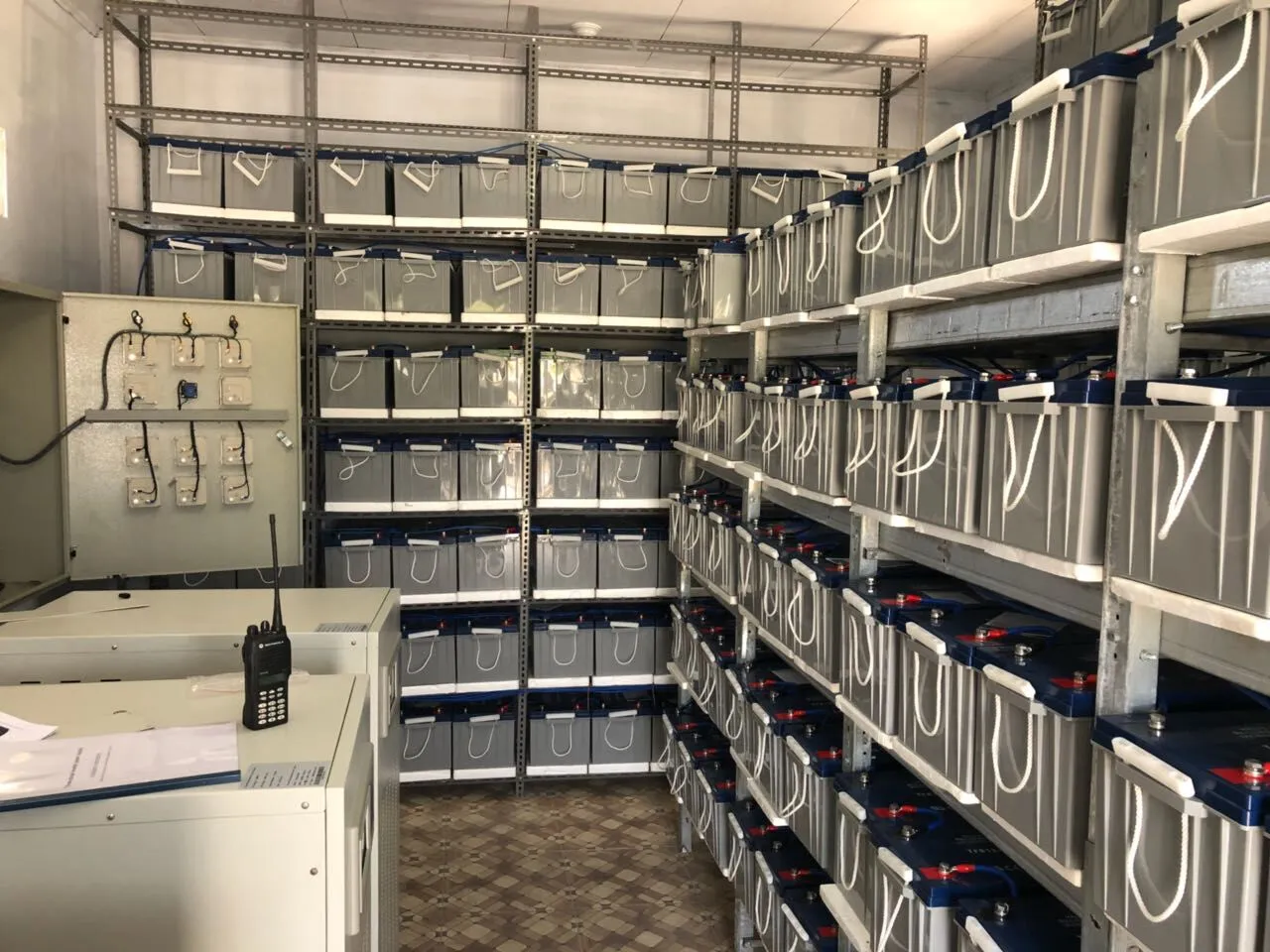
Let's take a look at a recent project we supported: a 5,000 sqm office building in Jeddah with a flat roof. The client wanted to reduce energy costs and meet sustainability goals aligned with Saudi Vision 2030. Here's how we helped:
"Working with a one-stop provider simplified everything," the building manager noted. "We didn't have to coordinate with multiple suppliers—Coloria handled panels, mounts, wiring, and even permit paperwork. The system has run smoothly for 2 years, even through sandstorms!"
Installing solar panels on a flat roof isn't just about placing panels—it's about careful planning, quality materials, and local expertise. By choosing a one-stop architectural solution provider like us, you gain access to high-quality solar panels, green building materials, and a team with decades of experience in markets like Saudi Arabia. From initial assessment to long-term maintenance, we're with you every step of the way, ensuring your system is efficient, durable, and aligned with sustainability goals.
Ready to unlock your flat roof's potential? Whether you're a homeowner, developer, or facility manager, our team can tailor a solution that fits your budget, climate, and energy needs. Let's build a greener future—one solar panel at a time.
Recommend Products












